555-555-5555

Ponding Water Roof Repair

A large flat roof is only flat on paper. Decks deflect under load, insulation compresses where equipment sits, and drains are set at points that the finished surface does not always favor. The one thing a low-slope building class does to a roof is hold water in the low spots, and the budget year feels it as stained ceilings, aged membrane and a repair list that never shortens. For an owner in San Marcos, TX, the question is how much water stays, how long, and what it is doing to the section underneath. We measure the ponding, trace it to its cause and rank the buildings by what the standing water has already cost.

Water that clears in a day is a rainfall detail. Water that stays is a roof defect.
Measure Where the Water Sits

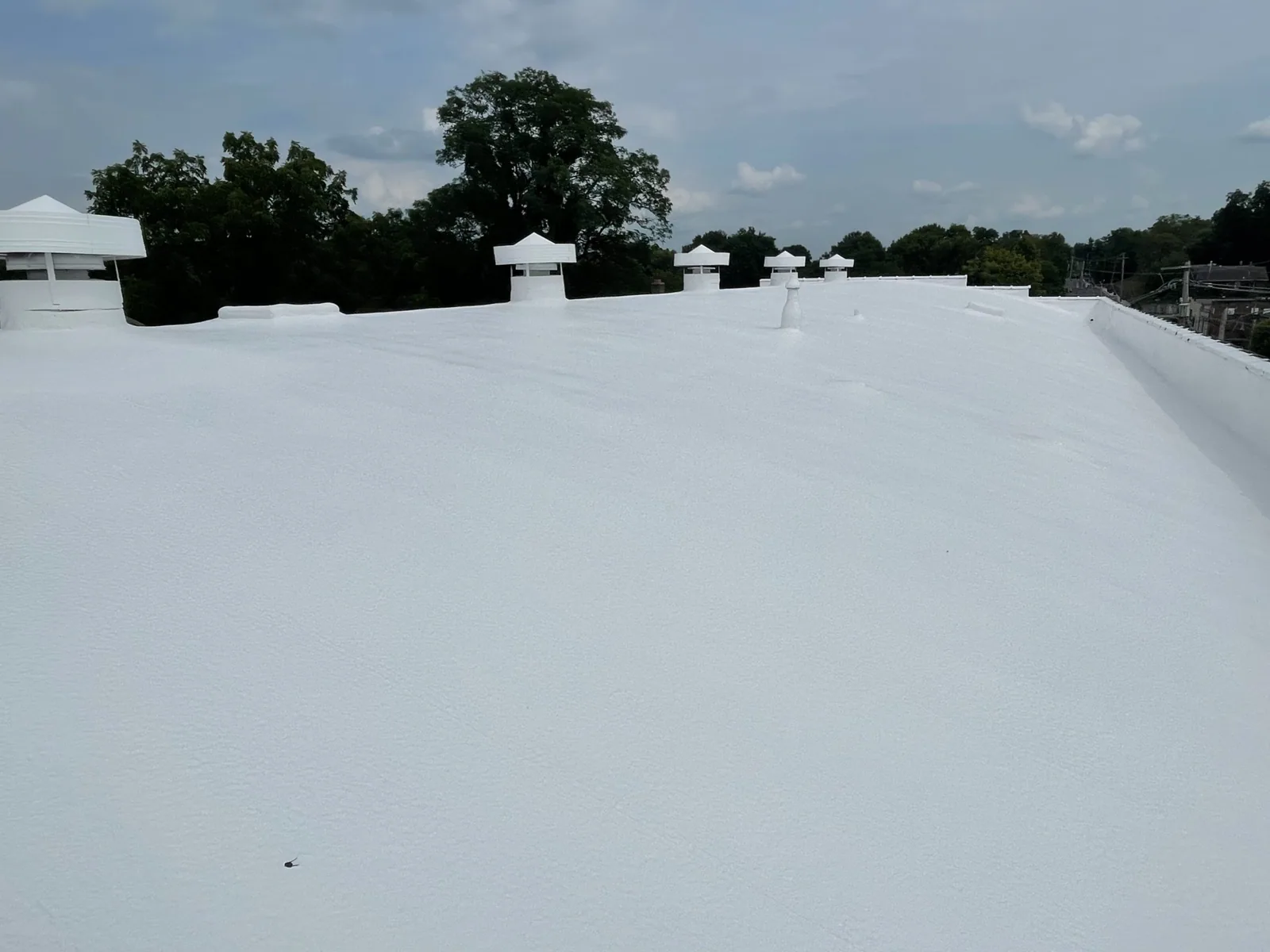
The first visit happens after rain, when the roof shows its low spots plainly. We mark the outline of each pond with chalk or flags, measure its depth at the deepest point and photograph it against a fixed reference such as a drain bowl or a curb. We repeat the check a day later to see what remains.

The pattern tells us the cause. A pond around a drain suggests a clog or a drain set too high. A pond along a wall suggests a blocked scupper or a missing cricket. A pond in the open field points to deck deflection or compressed insulation. About 36.55 inches of rain fall in San Marcos in a year, often in bursts, so we check how the roof drains in a heavy burst and not only after a light shower.

A simple tool helps: a long level or a laser on a tripod, set at the drain, shows how much higher or lower each area sits. The readings go on the plan as spot elevations, and the low spots stand out. This costs little and takes under an hour on most roofs, and it prevents the mistake of adding a drain where the real problem is a sagging deck that a drain cannot reach.

Ponding Water Roof Repair

Clear and Reset the Drains

Most ponding starts at a drain. Leaves, grit and debris collect in the sump, strainers clog, and a secondary pipe can be blocked by a nest. We pull strainers, clean sumps, run a line through the first few feet of pipe and test flow with water. The fix is cheap when found early.

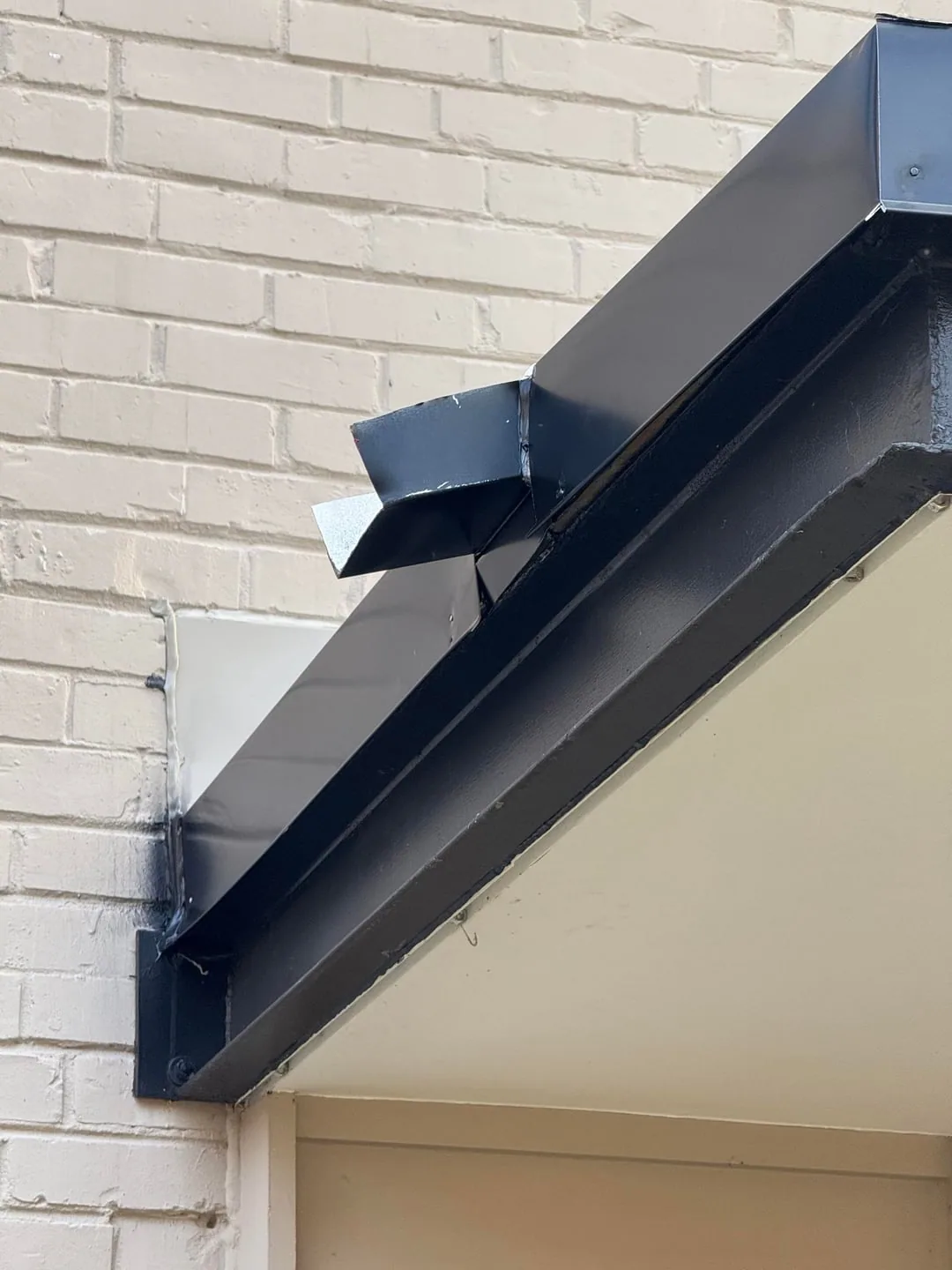
Some drains are set too high relative to the finished surface, so water cannot reach them. Resetting a drain bowl lower, or adding a drain at the low point, solves it. Our roof drain and scupper work covers cleaning, resetting, adding overflow scuppers and replacing damaged bowls. A scupper line that sits too high leaves a permanent pond behind the wall, and lowering it by an inch or two may be all that is needed. We record each drain's condition by number, so a pattern of repeat clogging is visible.

Add Slope Where the Deck Is Flat

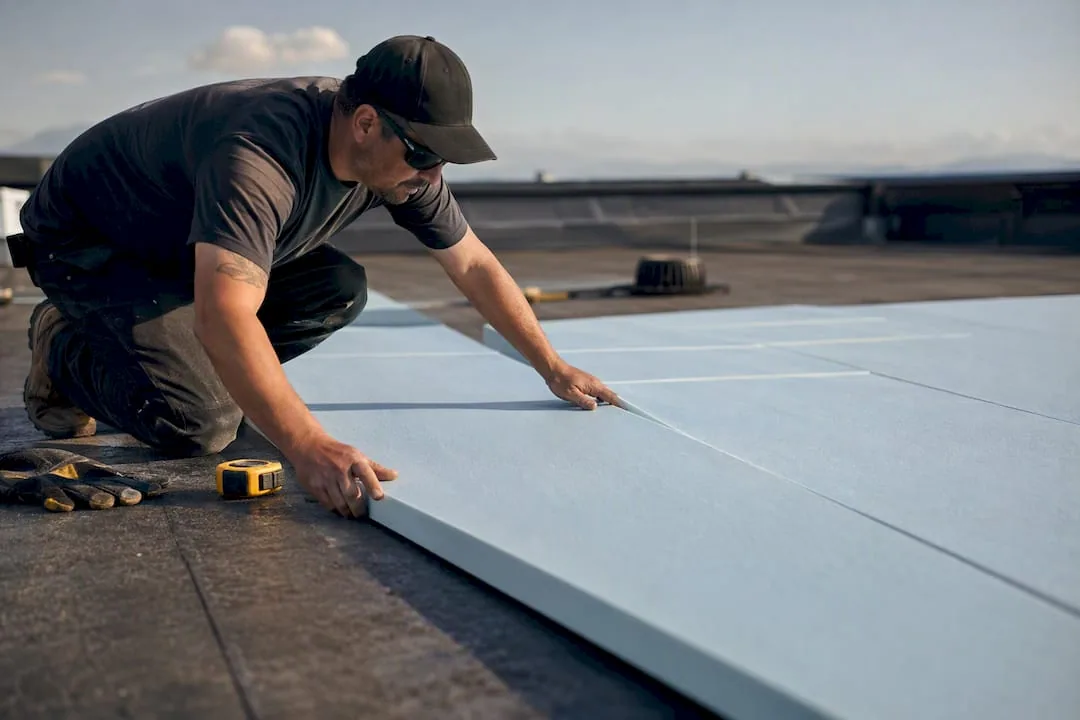
When the deck itself holds water, drains cannot fix it. The remedy is slope: tapered insulation laid over the existing roof or during a replacement leads water to the drains. Crickets, small sloped pieces behind curbs and equipment, divert water around obstacles that dam it. A roof insulation and cover board package includes the taper layout, with a drawing that shows slope lines and drain locations.

Not every roof can take added insulation. The structure must carry the extra weight, and edge heights must allow it. We check both before proposing a taper. Where a recover is planned, the taper becomes part of it. Where a full replacement is planned, the slope can be designed in from the start. In either case, the ponding map becomes the design input, and the scope shows the expected result in inches of slope and the number of drains served.

Know What Standing Water Does

Standing water attacks a roof in several ways. It adds weight, which loads the deck. It holds dirt and grows algae, which stain and degrade the surface. It stresses seams by keeping them wet and by concentrating thermal movement under a heavy mass. It lets any small defect leak with a head of water behind it, so a pinhole becomes a stain.

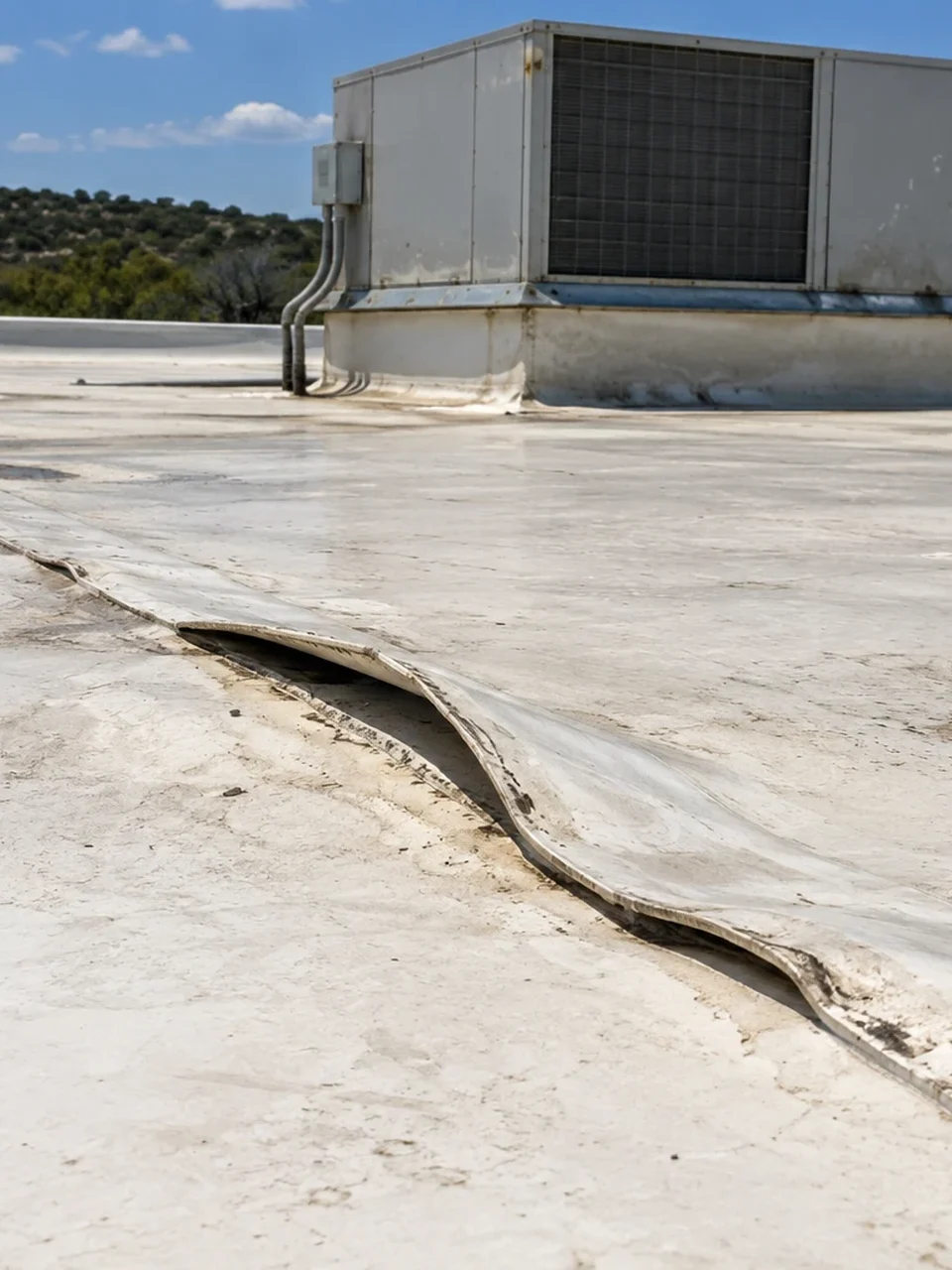
Insulation suffers most. Water that enters at a seam spreads through the insulation and does not dry out. A moisture scan finds the wet area, and cores confirm it. Where the ponded area is also the wet area, the repair has to remove the wet material. Open laps, handled through seam failure repair, and split terminations, handled through flashing failure repair, are the defects that often sit under a pond, because water finds them first.

Interior effects follow. Ceiling stains below a pond are usually the first sign owners notice, but by then the insulation is already wet. If the interior finishes have been replaced once and stained again, the roof is the cause and the ceiling work is a repeat expense. We list those repeat costs in the comparison, so the true price of leaving the pond in place is clear.

Ponding Water Roof Repair

Account for Heat and Evaporation

Summer heat helps ponds dry and also ages the membrane under them. With August highs near 98 F at Austin Camp Mabry, a pond that survives such heat is a deep one, and it is probably sitting on a real low spot.

Heat also swells and softens the surface. A membrane under a pond can run at a different temperature from the dry sheet beside it, and the difference stresses the sheet along the pond's edge. We record ponds in summer and after cooler rain, so the pattern across seasons is clear. Maintenance can then focus on the spots that stay wet, while the spots that clear quickly go on a watch list.

Ponding Water Roof Repair

Rank the Roofs for the Budget Year

The ranking weighs three things: how much water stays, how long it stays, and what is beneath it. A pond over an occupied office moves up. A pond over dry storage with a sound membrane can wait. We price the fix for each building: drain work, taper additions, cut-outs for wet insulation, or full replacement of a section.

Drainage requirements, including overflow provisions, apply to new work under the 2021 International Building Code that San Marcos enforces. A warehouse roof in the Fortuna Road and Yarrington Road industrial area or a big-box retail roof along I-35 gets the same method, with quantities that reflect its size. The file shows owners which buildings carry the most water and which fixes pay back fastest.

Small fixes come first in the queue. A cleaned drain, a lowered scupper or a new cricket costs far less than replacement and often ends the pond. We do those at once and re-check after the next heavy rain. If the pond returns, the section moves to the next tier and the file shows why, with photographs from each visit.

Commercial Roofing Questions

How long can water stay before it harms a roof?

The time that matters is days, not hours. Ponds that persist beyond a day or two after rain need attention.

Does a coating fix ponding?

It can protect the surface, but it does not move water.

Does ponding mean the insulation is wet?

Not always. A moisture scan and cores settle it.

What is an overflow scupper for?

It gives water a way out if the main drain clogs, which protects the structure.

Can tapered insulation go over an existing roof?

Sometimes. The structure and edge heights decide, and the roof must be dry.

Send the Building List and the Last Roof Report

Send the building list and the last roof report, and a superintendent will walk the lowest sections first and return a ranked condition summary. Start from the contact form.

Request a Roof Assessment

Related Roofing Work

ServicesRoof SystemsIndustriesProperty TypesService AreasRoof Damage RepairCapabilitiesManufacturersAboutContactRequest a Roof Assessment555-555-5555
Call555-555-5555