555-555-5555

Restaurant Roofing

A restaurant sends its kitchen up through the roof, and the one thing that class does to a membrane is coat it: grease, steam and heat leave the exhaust fan and settle within a few feet. An operator or landlord in San Marcos, TX has to judge how far that residue has worked into the roof and whether the fan curbs, hood penetrations and drains around it still seal.

San Marcos serves a large visiting crowd, with the outlet malls east of I-35 drawing about 14 million visitors a year and Texas State University adding a steady local base. Restaurants serving that crowd keep long hours, which leaves little room for a closed kitchen, so the roof plan has to fit inside service periods.

The decision in front of an operator is rarely whether to fix the roof. It is whether to repair around the kitchen now or replace the section above it in a planned closure, and the answer depends on how much of the membrane near the exhaust has already lost its bond.
The Grease Zone

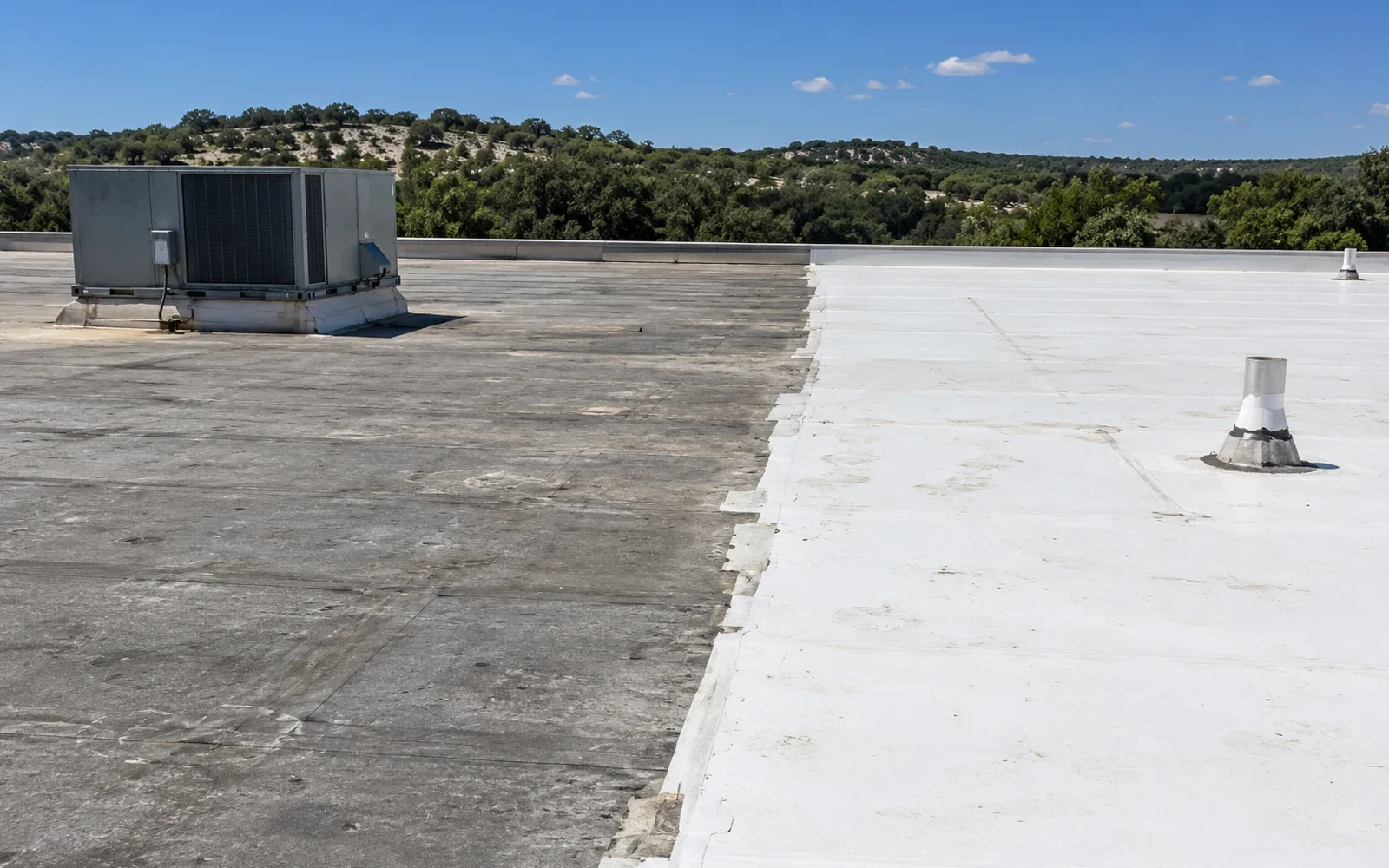
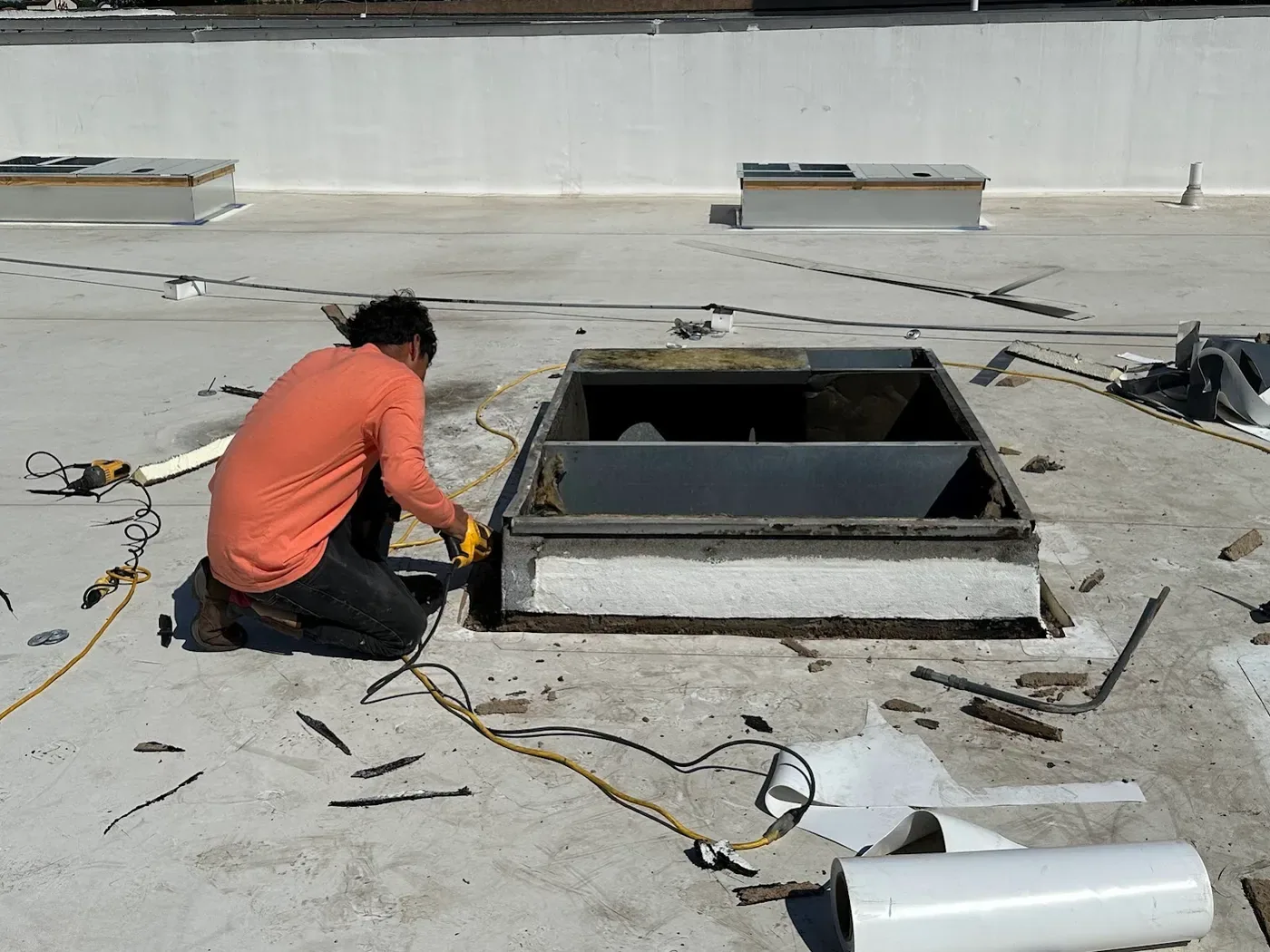
The first walk goes straight to the exhaust. We look at the fan base, the curb, the grease containment tray and the membrane within a few feet. Single-ply membranes can soften and swell under constant grease contact, and a film of residue attracts dirt and holds moisture against the surface. Blisters, soft spots and discoloration downwind of a fan tell us how long the exposure has lasted.

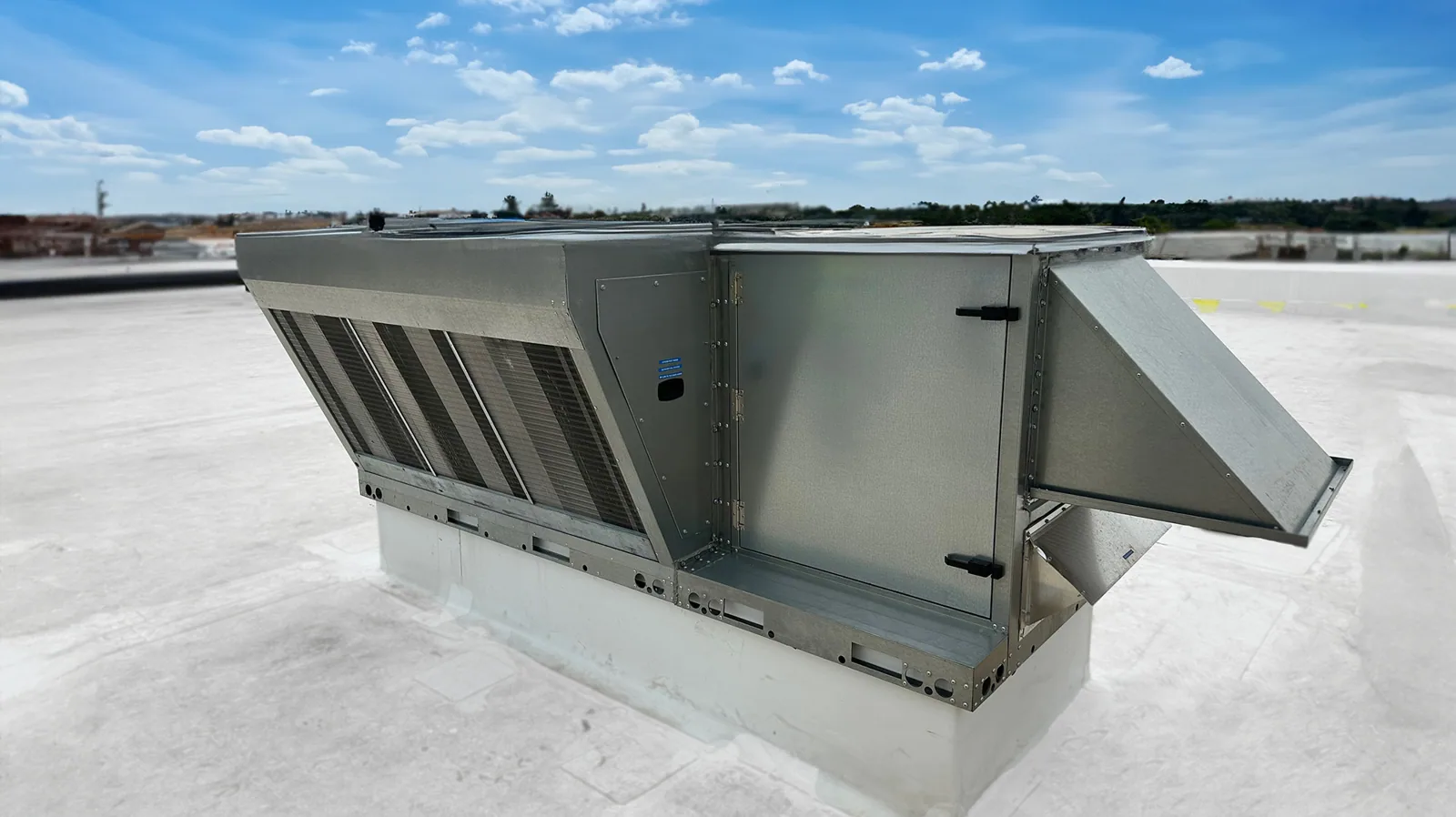
Where the membrane is damaged, we repair with materials suited to grease contact and add a protective detail, such as a containment pan or a splash zone, so the problem does not return. Residue buildup is also a fire concern, so the report notes it for the operator and the hood-cleaning vendor. Fan curbs, make-up air units and any refrigeration condensers on the same roof get the same attention through a rooftop equipment curb and support repair.

Drains near kitchens collect grease too. A clogged strainer or a ring coated with residue slows the outlet, and ponded greasy water softens the membrane around it. We clean the strainer, flush the line and check the sump and clamping ring. Grease in a drain can also point to a wash-down practice on the roof, which the operator can change once the cause is clear.

Restaurant Roofing
Restaurant Roofing

Fire-Safe Repair Methods

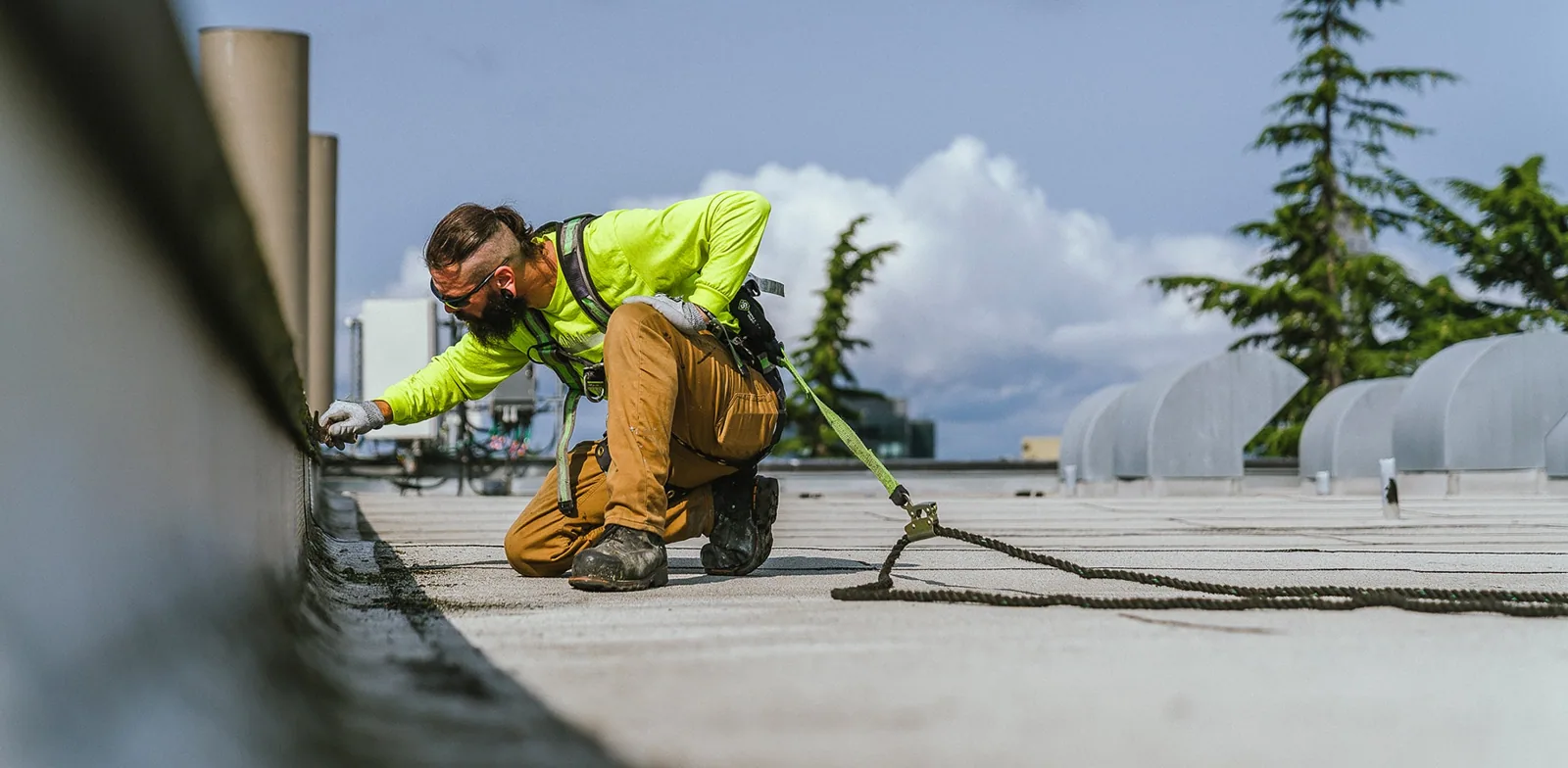
Roof work above a kitchen carries fire risk, so the method matters. Torch-applied systems and hot asphalt need strict controls, a fire watch and clear zones around vents. In many cases we choose cold-applied adhesives or mechanically attached systems and keep flame off the roof entirely. Extinguishers stand at each work point, and a watch stays on site after the last heat of the day.

We also coordinate with the kitchen. Intakes are covered while adhesives are curing, odors are kept away from the dining room, and hood fans stay on schedule where code requires them to. The plan lists these steps beside the scope, so the manager can read how the work affects service.

Rooftop patios and covered seating add their own details: posts through the membrane, flashing at a canopy and drains under decking. We lift sample boards, inspect the membrane and seal each post base, and the scope lists how many boards must move so the manager can plan the closure.

Work Between Service Periods

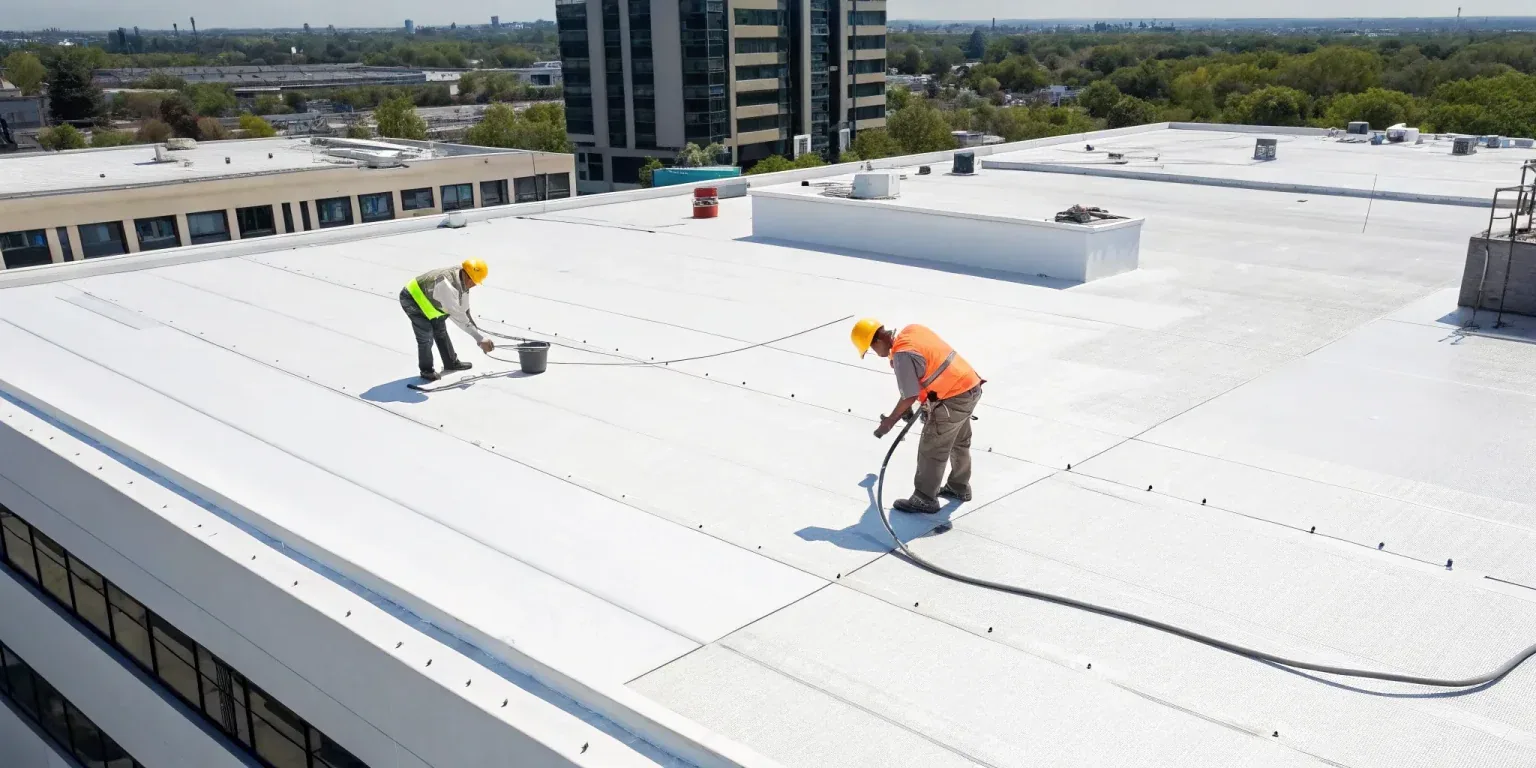
Restaurants keep short, predictable gaps between meal periods and longer ones overnight. We ask for the quiet hours, the delivery times, the patio schedule and any event days, then place the loud and dusty work in those windows. Staging sits in a rear or side lot, clear of the entrance and patio, with debris nets over any path to the door.

An occupied building reroofing plan states the hours, the crew's route and the person at the restaurant who can stop the work. Roof sections are dried in at the end of each shift, so an overnight storm does not reach the dining room or the kitchen.

Holidays and event nights set the hard stops. We ask for the calendar at intake and keep heavy work away from the busiest dates, with a temporary dry-in over any open section so a surprise storm does not reach the kitchen.

Tracing a Leak Over a Dining Room

A drip over a table is a bad week for a restaurant, so tracing is quick and thorough. We map where water showed on the ceiling, walk the roof above and check the nearest details: fan bases, drains, parapet flashing, skylights and wall joints. Water travels along decking before it appears, so the first suspect is not always the right one.

A commercial roof leak repair follows a set order: make safe, find the opening, repair, then re-check after the next rain. We photograph each step. If the stain follows cold nights rather than rain, the cause may be condensation from the kitchen, and the fix lies in ventilation or an air barrier, not in the membrane.

Restaurant Roofing

Heat, Humidity and Hail

The year brings about 36.55 inches of rain to San Marcos, with hot, humid summers and August highs near 98 F at Camp Mabry in Austin. Kitchen exhaust adds its own heat, and sealants near fans dry faster than elsewhere on the roof.

Weather service data from May 9, 2024 show stones up to six inches across at Johnson City, ahead of the storm's approach to San Marcos. Afterward, a scope built on hail damage roof repair separates storm damage from age and ties each item to a location.

Drainage in a heavy wet season also deserves a check. A clogged scupper floods the low corner, and a long wet spell finds every weak seam, so a roof drain and scupper check before the wet months costs little.

Restaurant Roofing

Landlord, Tenant and the Budget Year

Where a restaurant leases its space, roof responsibility follows the lease. We do not interpret leases. We write the scope so every item has a roof area, a quantity and a price, and the parties can apply the terms line by line. City ordinance 2023-09 put the 2021 International Building Code into effect on April 1, 2023.

Owners with a restaurant row can compare buildings on one sheet. The I-35 outlet and retail corridor is one place where that record helps, and the same layout covers shopping center roofing and hotel roofing in a mixed portfolio.

Commercial Roofing Questions

Does kitchen grease really damage a roof membrane?

It can. Constant contact softens some single-ply sheets and leaves a film that holds dirt and moisture. We look for blisters and soft spots near the fan and recommend a protective detail.

Can the roof be repaired without closing the kitchen?

Usually. We use cold-applied or mechanically attached methods, cover intakes during curing and work between meal periods. Hood fans keep running where code requires.

Who pays for the roof, the landlord or the tenant?

The lease decides. Our scope lists each item with a roof area, quantity and price, so the parties can apply the lease terms.

How do you tell condensation from a leak?

We compare the stain with rain events and cold nights, then take a core. A leak follows rain and sits near a detail. Condensation follows cold and sits along cold surfaces.

What do I get after the work?

Photographs before and after, a list of equipment checked, the scope sheet and the invoice. They go into the building file with dates.

Send the restaurant list

Send the building list and any past roof reports. We will sort the roofs into replace, repair and watch groups before the next budget year.

Request a Roof Assessment

Related Roofing Work

ServicesRoof SystemsIndustriesProperty TypesService AreasRoof Damage RepairCapabilitiesManufacturersAboutContactRequest a Roof Assessment555-555-5555
Call555-555-5555