555-555-5555

Fitness Center Roofing

A gym breathes out. Hard-working members, a pool room, a sauna or a row of showers push warm, wet air toward the ceiling all day, and the result is a roof loaded from the inside, with moisture that rises into the assembly and condenses on the coldest surface it meets. For an owner or operator in San Marcos, TX, the budget year depends on whether a ceiling stain is a leak from above or condensation from below.

That difference changes the repair. A leak needs a seam, a flashing or a penetration fixed. Condensation needs ventilation, an air barrier or a vapor layer. Treating one as the other wastes money, so the first walk answers that question.

The cost of getting it wrong shows up in two places: wet insulation that quietly loses its value, and a ceiling that drips onto equipment or flooring. A facility that records stains with dates, photographs and weather can tell the two causes apart faster, which keeps the repair scope short.
Vapor or Leak

We compare the stain with rain events and with temperature. A leak follows rain and sits near a seam, a drain or a penetration. Condensation follows cold surfaces and sits along ducts, deck lines and the underside of metal. We take a core sample to see where water sits in the insulation: at the top, it came from above; at the bottom, it came from the building.

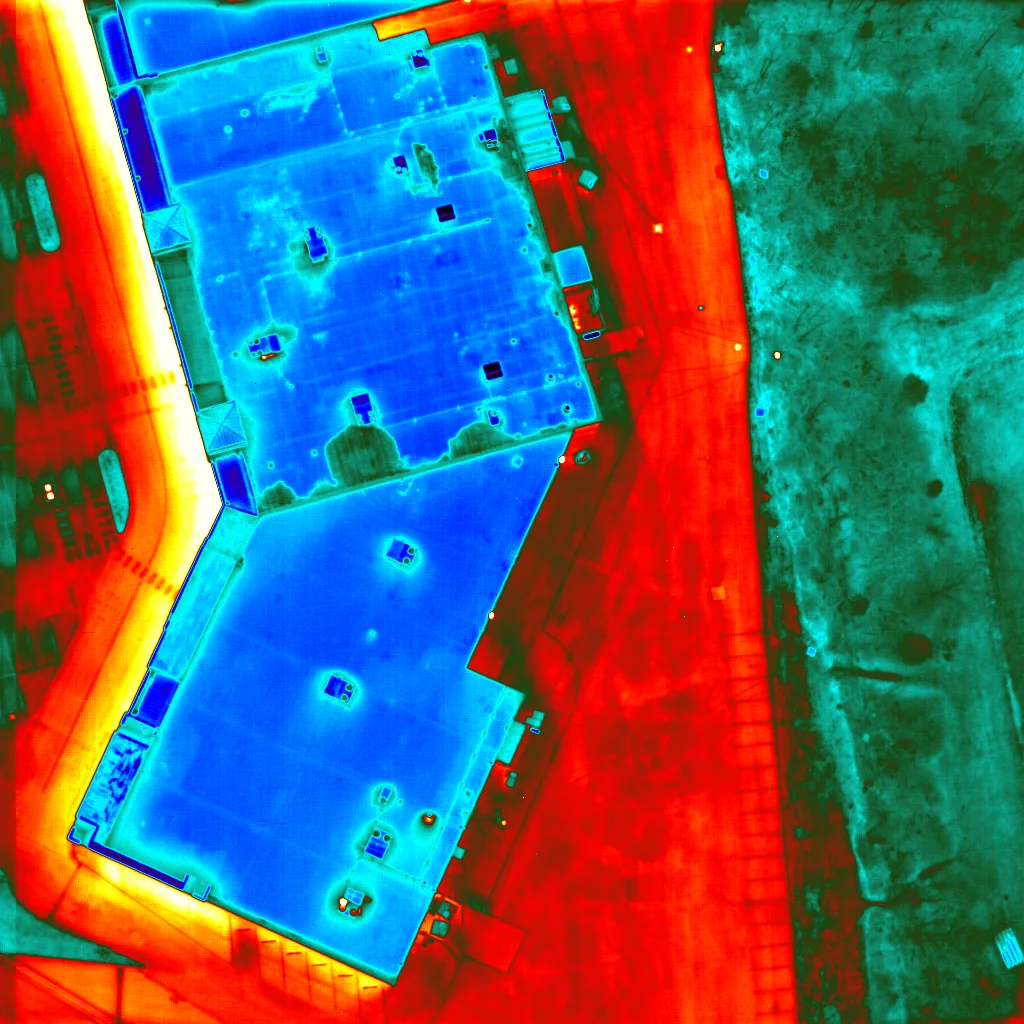
An infrared moisture survey maps wet insulation across the whole roof. If it shows a wet band along a duct line with no breach above, the fix is in the air barrier or the ventilation. If it shows wet spots at seams, the roof needs repair. The report separates the two causes and prices each.

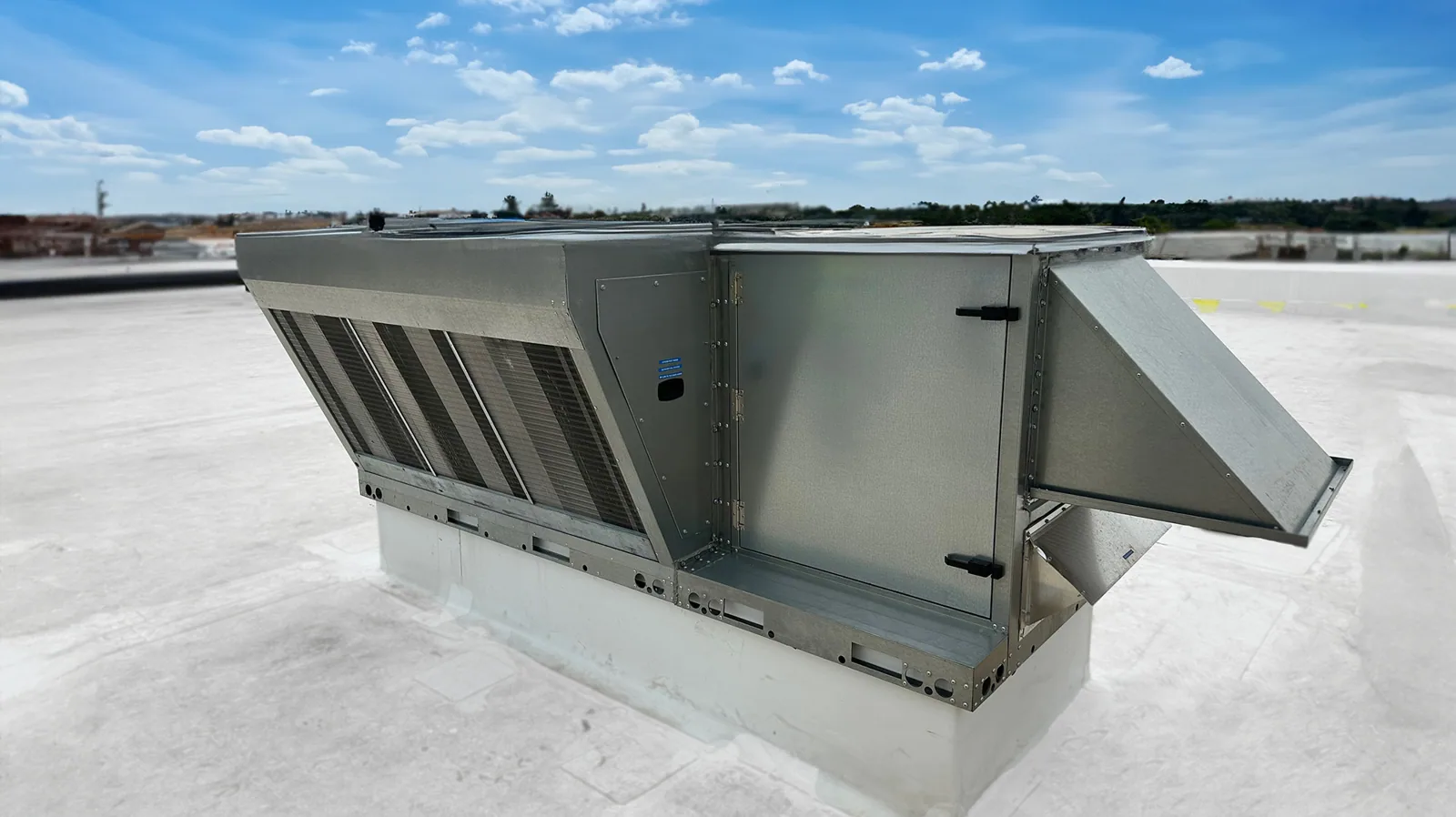
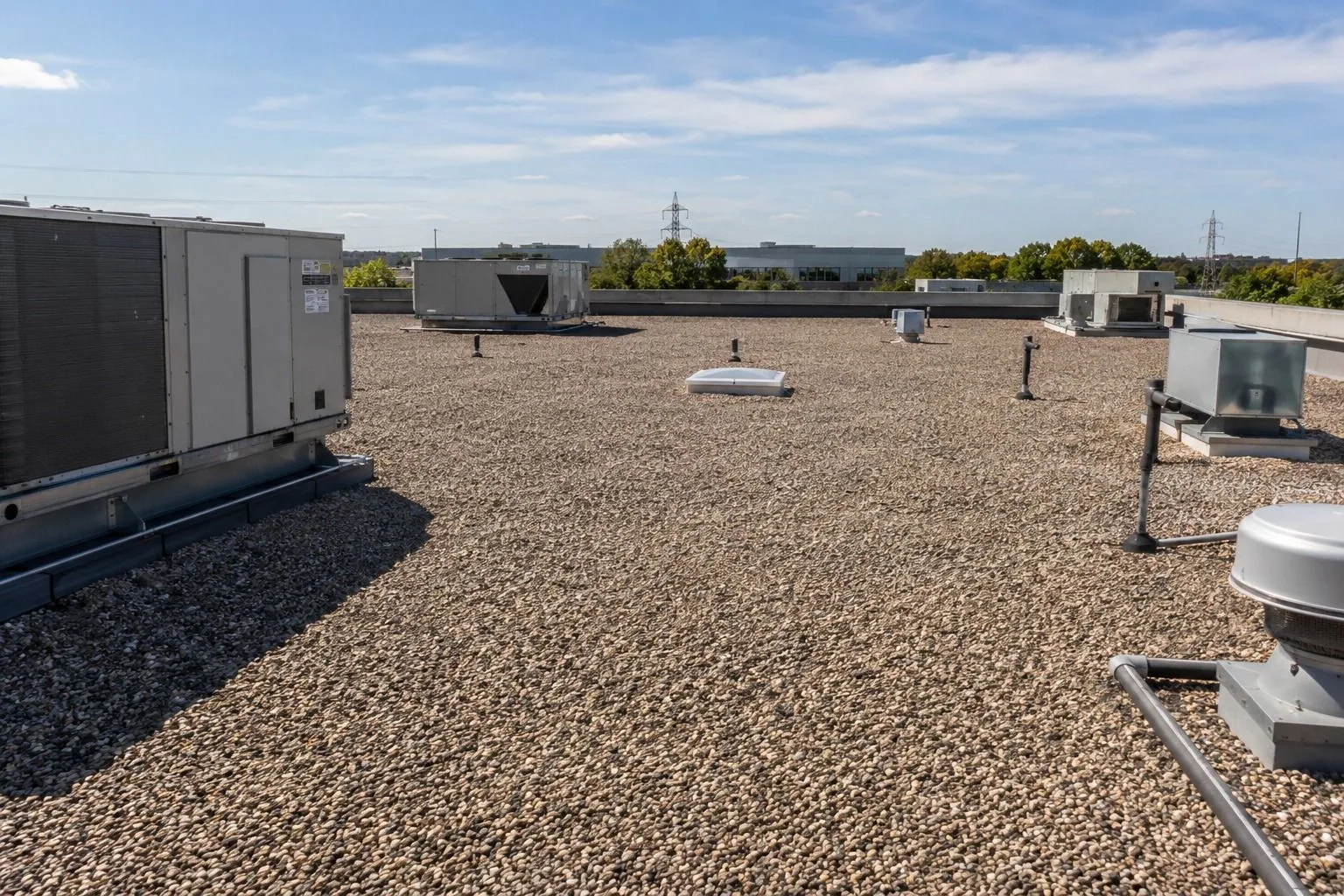
Roof-mounted air handlers matter here too. A unit that serves a studio or pool room moves a lot of air, and a poorly sealed duct penetration at the roof leaks conditioned air into the assembly. The air meets cold metal on the way out and condenses. We check duct boots, insulation around ducts and the curb seal, and we note where air is escaping because the repair costs little compared with replacing wet insulation.

Fitness Center Roofing

Pool Rooms and Wet Zones

A natatorium is the hardest case. Warm, chlorinated, humid air attacks metal, fasteners and sealants from below, and a failed vapor barrier lets that moisture into the roof assembly. Pool rooms need dedicated dehumidification, and the roof above them needs a continuous air and vapor barrier and corrosion-resistant fasteners.

Where a facility has a pool, a spa or a large locker room, we look at the roof above and the equipment that serves it. Exhaust fans, dehumidifiers and make-up air units sit on curbs that need regular checks. Where a curb sits low or a boot has split, a curb and support repair brings the flashing up and reseats the unit, and the report notes any corrosion at fasteners and supports.

Corrosion tells its own story. Rust on deck fasteners, white deposits on aluminum and flaking paint on trusses all point to humid air reaching metal. We photograph each location and probe suspect fasteners, then list those that have lost section. Replacing a handful of fasteners now is cheaper than a repair after a panel loses its hold.

High-Bay Spans and Courts

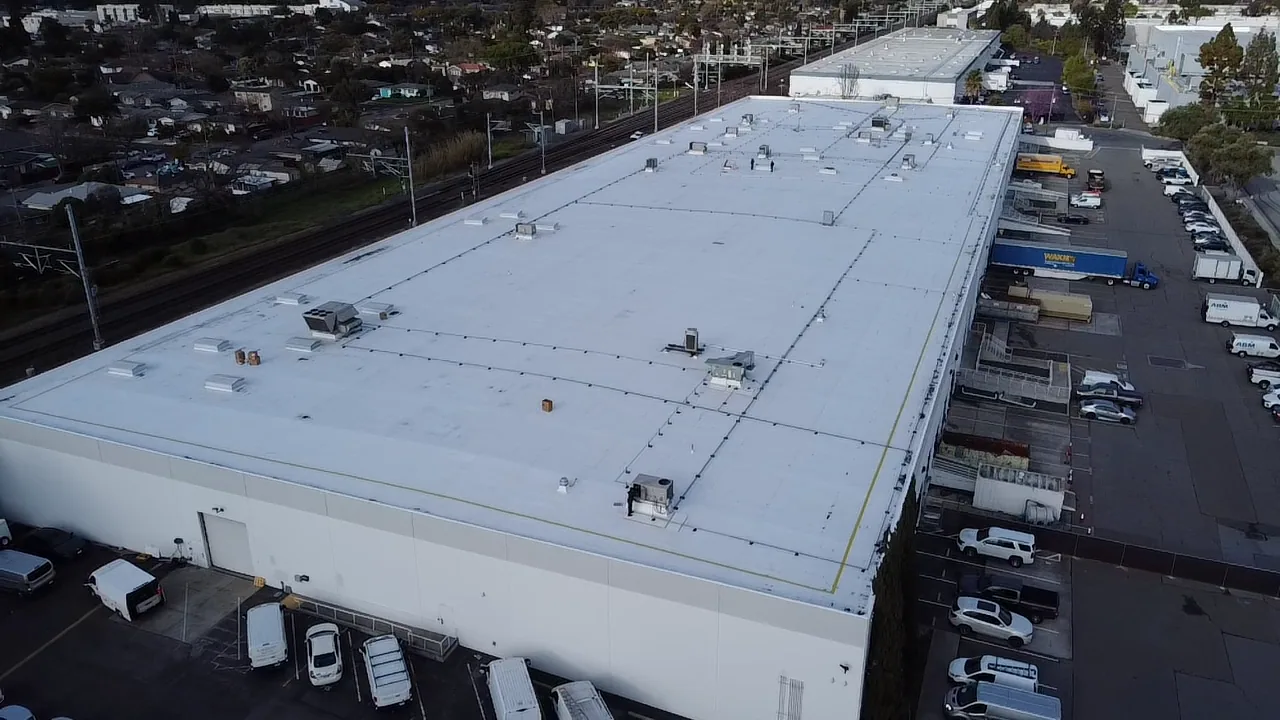
Basketball courts, turf rooms and group-fitness studios often sit under a high-bay roof with a wide span. Leaks there reach a hardwood floor or a turf surface, and a stain on a high ceiling is hard to see and harder to reach. We walk the roof for ponding at mid-span, loose fasteners, open laps and failing sealant at penetrations, and inspect from inside with a lift or binoculars.

Skylights and translucent panels bring daylight and leaks. Gaskets age, sealants dry and glazing cracks. We check every unit and list the ones that need work. Each skylight repair rebuilds the curb flashing and reseals the unit, with photographs before and after.

Drainage on a long gym roof matters as much as on any other. Low-slope fields hold water at mid-span where the deck deflects, and a pond there adds weight to a roof already carrying equipment. We measure ponds after rain, trace them to a cause and price the correction: a new drain, tapered insulation or a structural fix.

Work Around Member Hours

A gym keeps early-morning and evening peaks, with a quiet stretch in the middle of the day. We ask for the hours, the class schedule, the pool schedule and any events, then place loud and dusty tasks in the quiet window. Staging goes at the rear or a side lot, entrances stay clear and overhead protection covers any path near the work.

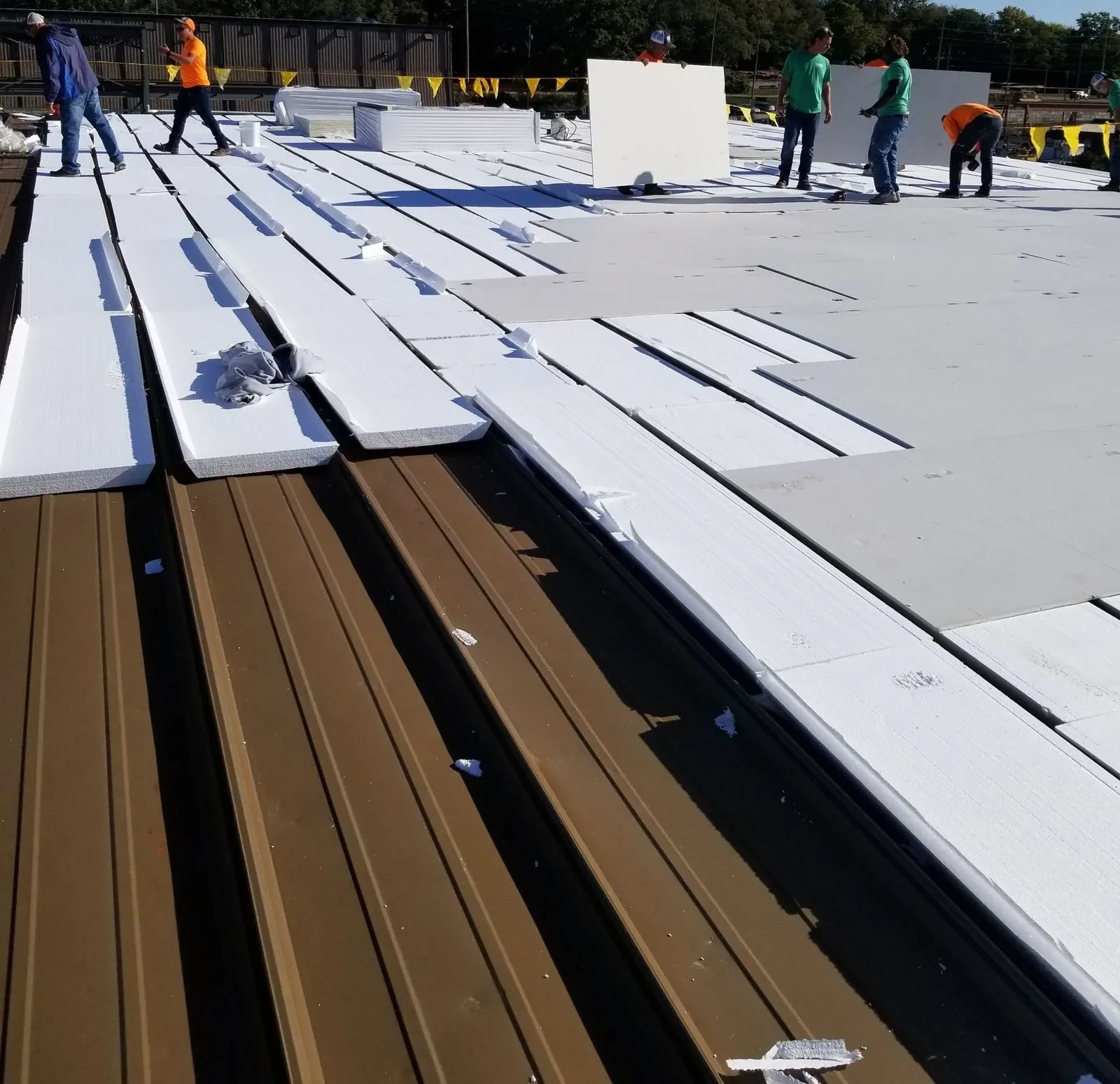
An occupied building reroofing plan lists the hours, the crew's route and the contact who can stop work. Pools, courts and equipment floors are protected from dust and falling debris, and roof sections are dried in each day. A magnet sweep clears the lot at the end of every shift.

Members notice noise and smell. Adhesive odors are kept away from air intakes by covering them during cure, and hot work is avoided above pool rooms. We tell the manager which days are loud, post a notice at the front desk and keep a phone number staffed throughout the day.

Fitness Center Roofing

Heat, Humidity and Storm Context

Summer afternoons near 98 F, the August normal at Camp Mabry in Austin, are the heat a roof here has to carry. High outside humidity raises indoor load, and an HVAC system that works hard in August needs a roof that does not trap heat.

Hail at Johnson City reached six inches across on May 9, 2024, before the storm made its way to San Marcos. After a storm like it, a hail damage roof repair scope lists bruised areas, wet insulation and displaced equipment by location.

Wind is the other storm load on high-bay roofs. A tall wall catches pressure, and loose trim or panel edges lift first. After a storm we pull-test fasteners at the eaves and gables and photograph any lifted trim.

Fitness Center Roofing

The Budget-Year Decision

Work inside the city follows the 2021 building and energy codes adopted by Ordinance 2023-09. For a gym, those items include vapor control, which belongs in the plan from the start.

A roof capital planning report assigns every building a budget year. Operators with several locations can keep one record, and the same layout carries over to school roofing for a gym attached to a campus and hotel roofing for a hotel with a pool. Recreation space near the Texas State University district gets the same walk.

Commercial Roofing Questions

How do you tell condensation from a leak in a gym?

We compare the stain with rain and cold. A core shows whether water sits at the top or bottom of the insulation. A moisture survey maps wet bands.

Why does a pool room need special roof detailing?

Warm, humid, chlorinated air attacks metal and sealant from below. A continuous air and vapor barrier and corrosion-resistant fasteners protect the assembly.

Can you work while members are using the facility?

Yes. We place loud work in the quiet window, protect entrances and floors, and dry in daily. A contact can stop work.

What do you check on skylights?

Curb flashing, gaskets, glazing and sealants. Cracks and dried seals are the usual causes of leaks.

What documents does an operator get?

Photographs, a moisture map, core logs, the scope sheet and the invoice, dated and filed by building.

Send the facility list

Send the building list and any past roof reports. We will sort the roofs into replace, repair and watch groups before the next budget year.

Request a Roof Assessment

Related Roofing Work

ServicesRoof SystemsIndustriesProperty TypesService AreasRoof Damage RepairCapabilitiesManufacturersAboutContactRequest a Roof Assessment555-555-5555
Call555-555-5555