555-555-5555

Fentress

The standalone rural commercial building is the class that matters most in an unincorporated community like Fentress: a shop, a storage building, an office or a service structure that sits alone, a long drive from the next roofer. Fentress is in southwestern Caldwell County at SH 80 and FM 20, about 15 miles southeast of San Marcos, and it is part of the Austin-Round Rock metropolitan statistical area. Its population fell from about 291 in 2000 to 86 in 2010. For a roof, that kind of setting means problems go unseen for longer, repairs cost more to mobilize and a written record is the best defense against surprises. We build that record and keep it current.
Roofs that nobody watches daily

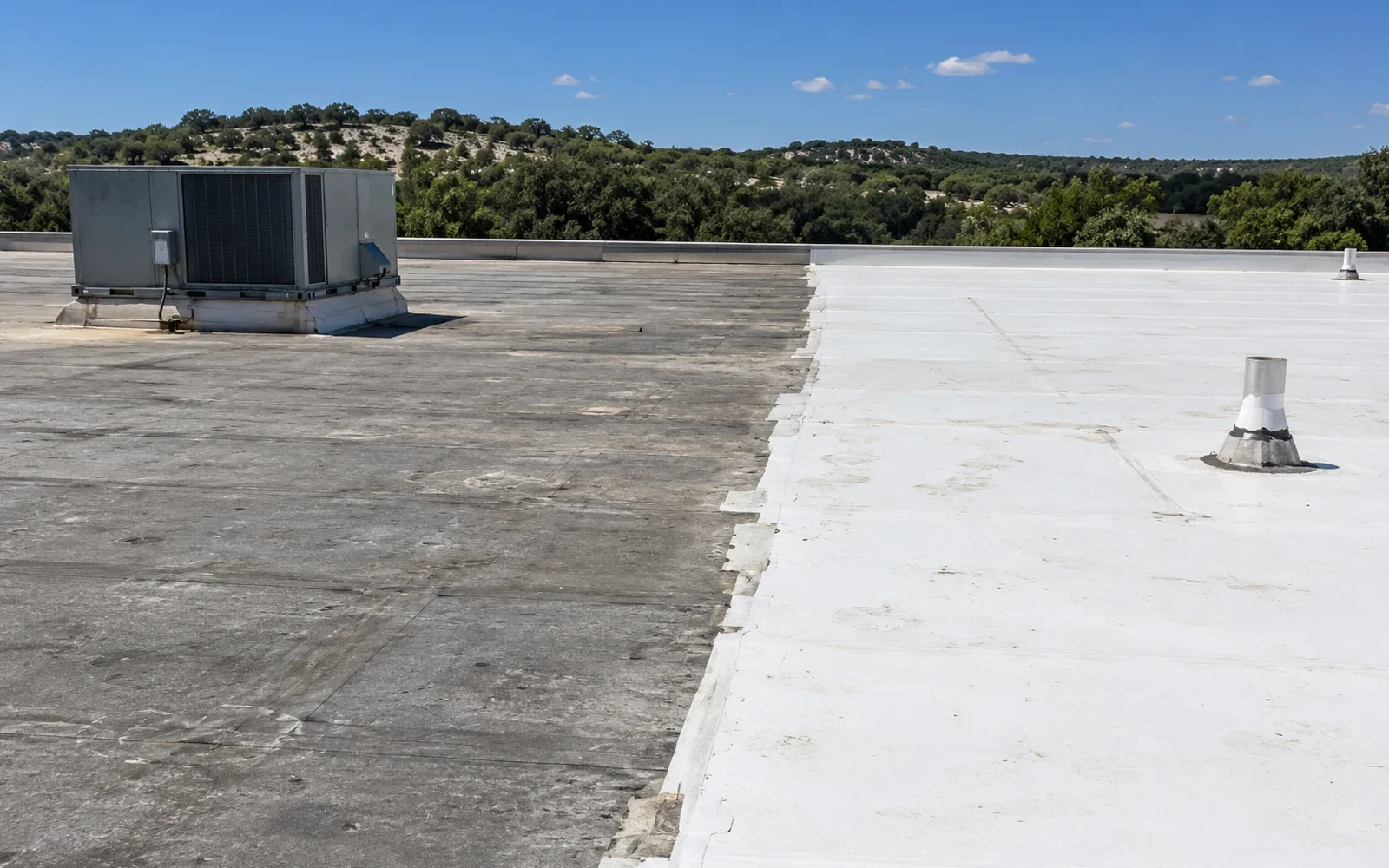
A building in daily use has eyes on its ceiling. A standalone building visited weekly or monthly does not. Water can enter, spread through insulation and rot a deck before anyone notices. The practical response is a scheduled walk with photographs, a check of the ceilings inside and a drain clearing each visit, so the roof is seen on a calendar rather than by accident. The condition of any particular roof comes from the first walk. We grade it and set a return date that matches the building's use. A yearly visit often suffices for a roof in good order, with an extra visit after any named storm in the region.

Interior checks matter more at a remote building. We look at ceilings, wall bases and any stored goods for water signs, and we photograph them next to the roof findings. Damp insulation can smell before it shows, and a musty room is a cue to scan the roof above it. We leave the owner a one-page summary with the grade, the open items and the return date.

Fentress
Fentress

Mobilization and how it shapes the plan

Distance adds cost to every repair. A crew driving 15 miles from San Marcos to fix a small patch spends more of the job in the truck than on the roof. We therefore batch work: repair everything found on the walk in one visit when it is small, bring the right materials for the roof type and plan larger repairs as a single scope. Owners with property in Luling or Lockhart can combine trips, which spreads the travel across several buildings. A short list of likely materials, such as fasteners, sealant, patch membrane and flashing, goes on the truck before we leave. That planning turns a second trip into the exception.

Access gets planned too. A gate code, a key to the roof hatch and a safe place to park the lift save time on arrival. Where the roof has no fixed ladder, we bring our own and set it up with a tie-off. If the site has no power, we bring what we need to run tools. A phone call before the trip confirms the details so the visit is not wasted.

What the standalone building class carries

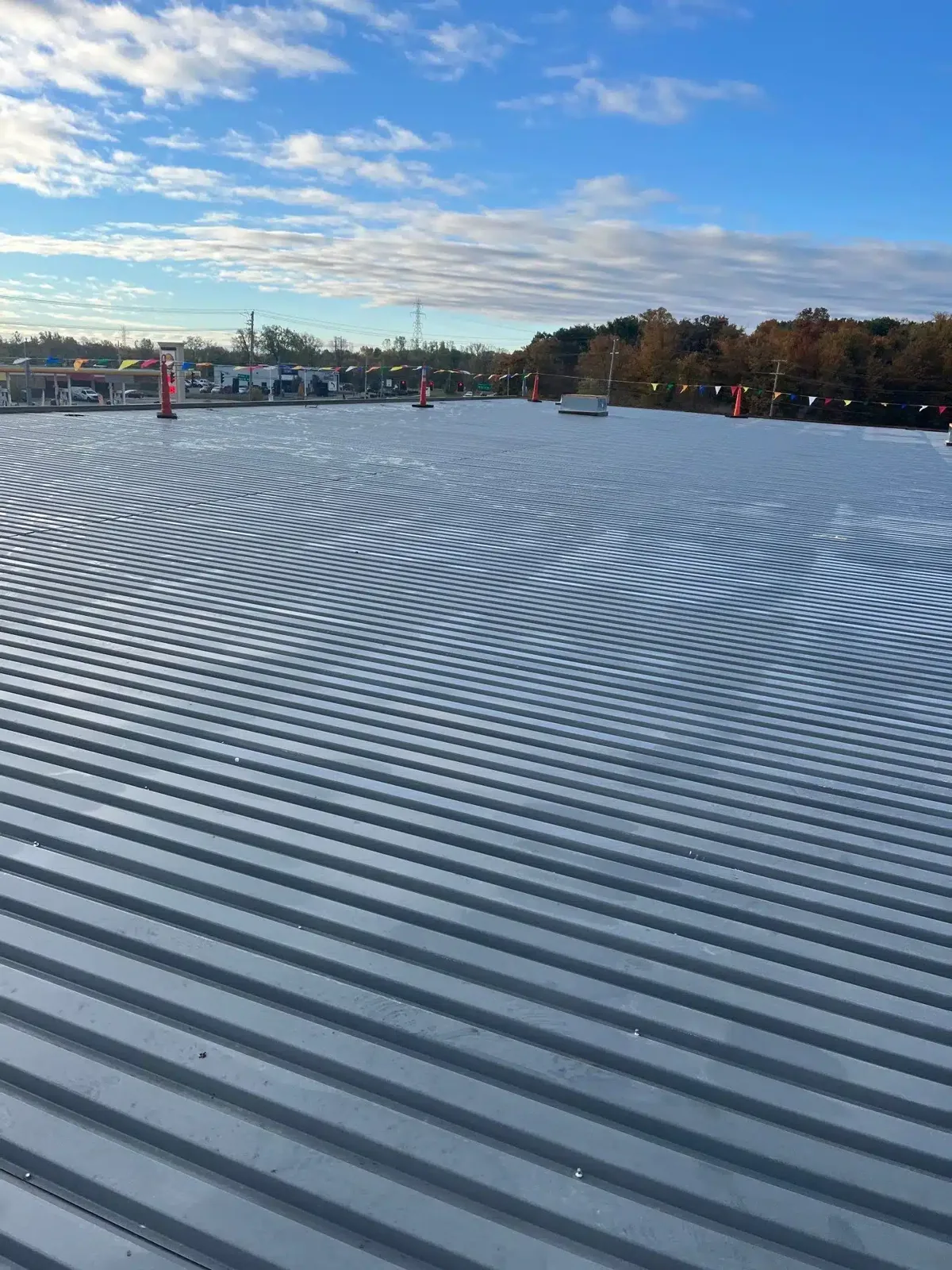
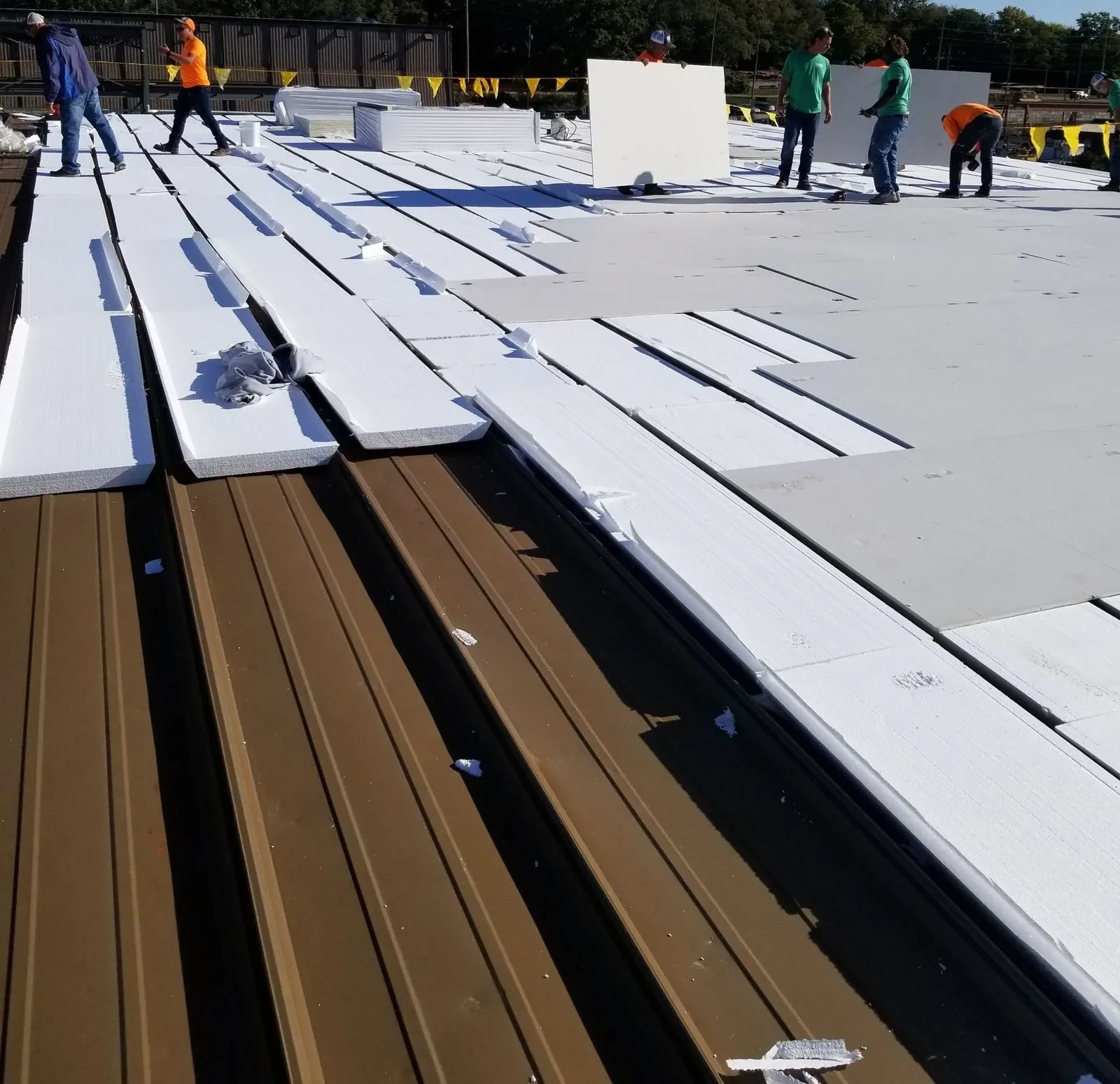
Rural commercial buildings are often simple. A metal shop or storage building may have exposed-fastener panels, a ridge cap and a gutter on one side. A small office may have a low-slope membrane with a few penetrations. Agricultural or equipment buildings can have large spans, tall walls and wide doors. Each type has a typical failure: a screw head, a lap, a flashing, a ponding area at a low corner. The walk shows which type a given owner has, and we check what is there. For a metal roof, the sequence is fasteners, laps, ridge, trim and rust. For a membrane roof, it is drains, seams, flashings and penetrations. A standing seam metal roof is a common long-life answer where a screw-down roof wears out.

Wind, hail and the open site

A building on open ground takes wind with little shelter, and the edge metal, ridge cap and gable trim carry the load. A wind-damaged roof usually starts at the perimeter, so we check every fastener and joint along the edge. Hail is the other shared risk. Up to six inches across, that was the hail Johnson City reported on May 9, 2024, before the same storm reached San Marcos. That is regional context and not damage to any roof in Fentress, but it explains why owners ask for a field review. We count impact marks in test squares and write down what we find, with photographs.

Doors and openings matter on large-span buildings. A big door left open in a gust lets wind inside, and the roof is then pushed from below as well as pulled from above. Edge fasteners, eave trim and the first few panels fail first. We tighten fasteners at tighter spacing near corners, renew sealant and mark any panel that has started to lift.

Fentress

Leaks, tarps and response

When a storm opens a roof, the first job is to stop the water. Our emergency roof repair response runs around the clock, holidays included, so a remote building is not left open overnight. A crew tarps the opening, secures loose metal and photographs the damage as found. The permanent repair follows once the cause is clear. For a remote owner, we send photographs and a short written summary, so the owner can see the roof without driving out. If the building is insured, the same photographs and measurements form the start of a claim file, and we note what the storm damaged and what was already worn.

Security is part of a tarp job at a remote site. We fasten tarps with battens at the edges so wind cannot lift them, run the covering past the roof ridge or over the opening with a generous overlap and photograph the finished protection. A poorly fixed tarp can do more harm than none. We record the date and note the permanent repair it waits on, so the temporary work is not forgotten and does not become the roof.

Fentress

Repair, coat or replace, and the budget year

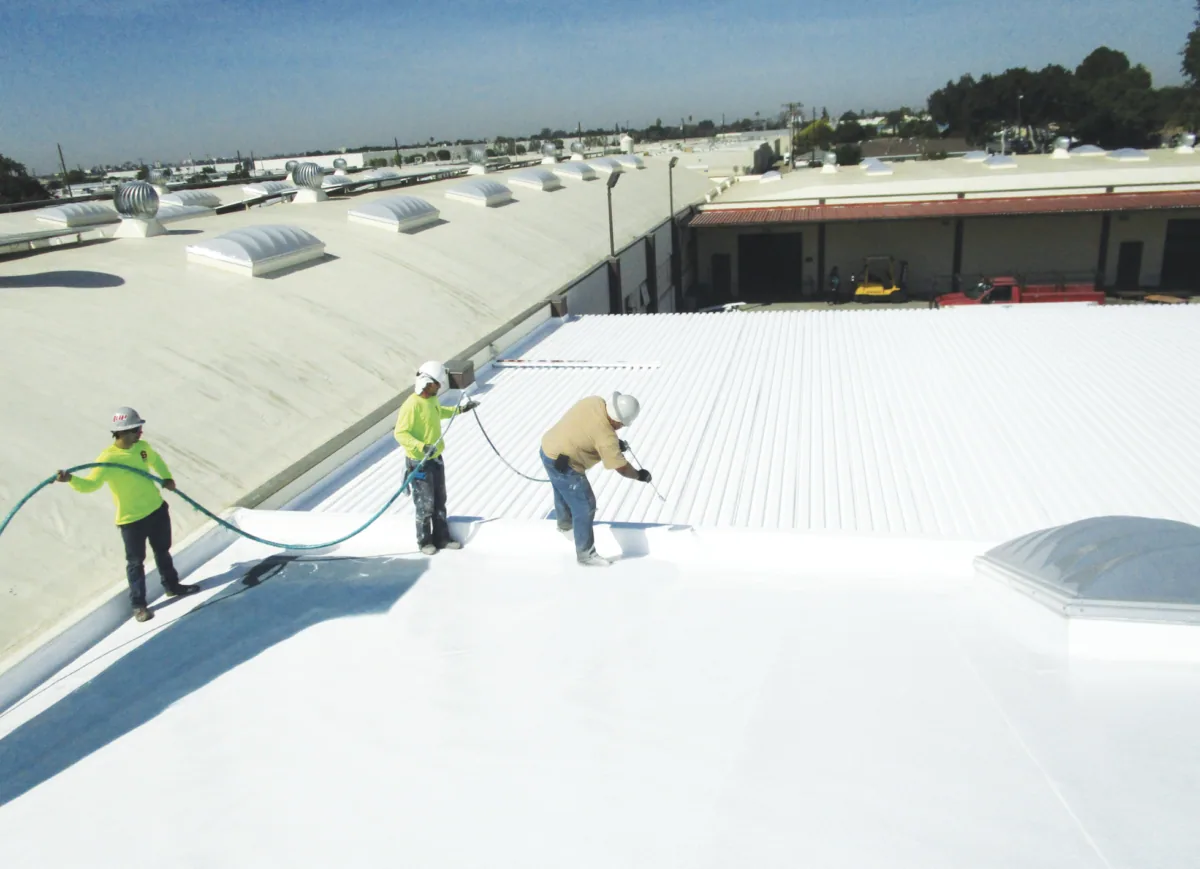
The options follow the condition. A roof with sound panels or membrane and scattered defects needs a repair visit. A dry, attached roof with a worn surface may take a roof coating. A roof with rusted-through panels or wet insulation needs a retrofit or replacement. We price each path with the cost drivers named: area, access, travel, deck condition, insulation and the number of penetrations. A commercial roof inspection sets the grade, and a preventive roof maintenance visit keeps it. In San Marcos itself, the 2021 building and energy conservation codes apply to roof replacements, while a Fentress parcel follows whatever its own jurisdiction adopts, which is confirmed before pricing.

Commercial Roofing Questions

How often should a remote building's roof be checked?

Yearly for a roof in good order, with an extra walk after any named storm in the region. A building visited rarely needs the calendar more than one in daily use.

Why does distance raise the cost of a small repair?

Travel time is part of the job. Batching repairs into one visit and bringing the right materials keeps the extra cost low.

Can I see the roof without driving out?

We send dated photographs and a short written summary after each visit, so you can see the same things we saw on the roof.

What if the storm opens the roof at night?

Call. Emergency response runs around the clock, and a crew will tarp the opening and secure the metal. The permanent repair is planned for the next working day.

What should I send to start?

The building address, the roof type if known and any past reports or photographs of stains. A walk and a written report follow.

Send the Building Details and Photos

Send the building address, the roof type if known and any photographs of stains or loose metal, and we will sort the roof into replace, repair and watch groups before the next budget year. Use the contact form.

Request a Roof Assessment

Related Roofing Work

ServicesRoof SystemsIndustriesProperty TypesService AreasRoof Damage RepairCapabilitiesManufacturersAboutContactRequest a Roof Assessment555-555-5555
Call555-555-5555