555-555-5555

Fire Damage Roof Repair

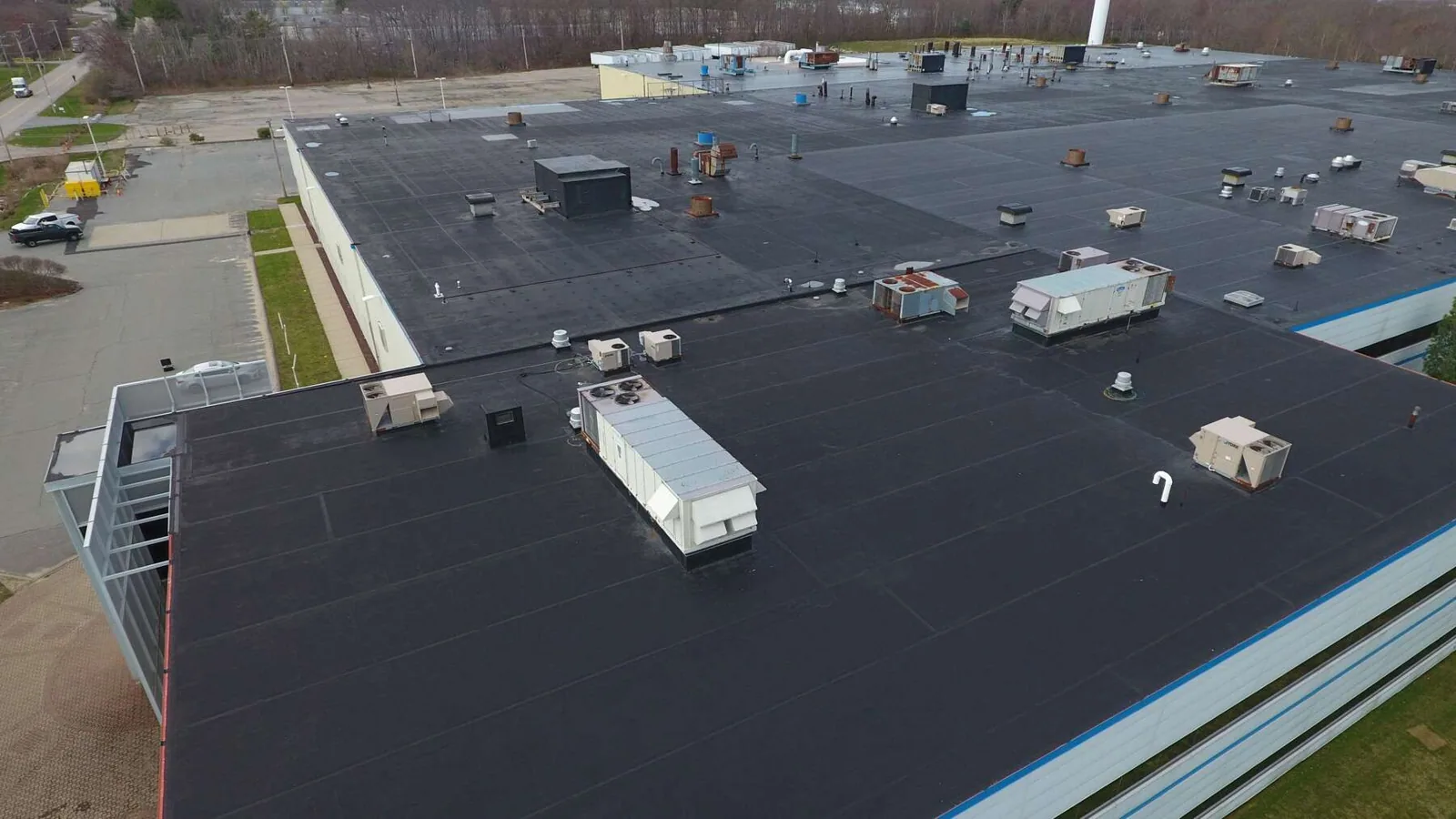
A multi-tenant building shares one roof across several suites, and when a fire starts in one unit, the roof above it, the roof beside it and the roof across the firewall all inherit the consequences. The one thing that class does to a budget after a fire is spread a single loss over several leases, several insurers and several repair timelines. For an owner in San Marcos, TX, the roof is the first thing to protect, because water, weather and further damage arrive through it faster than anything else. We walk the roof the day access is cleared, record what the fire, the heat, the smoke and the hose streams did to it, and build the scope section by section.

A fire roof must be read from the deck up, since the surface rarely tells the whole story.
Clear the Deck Before Anyone Steps Up

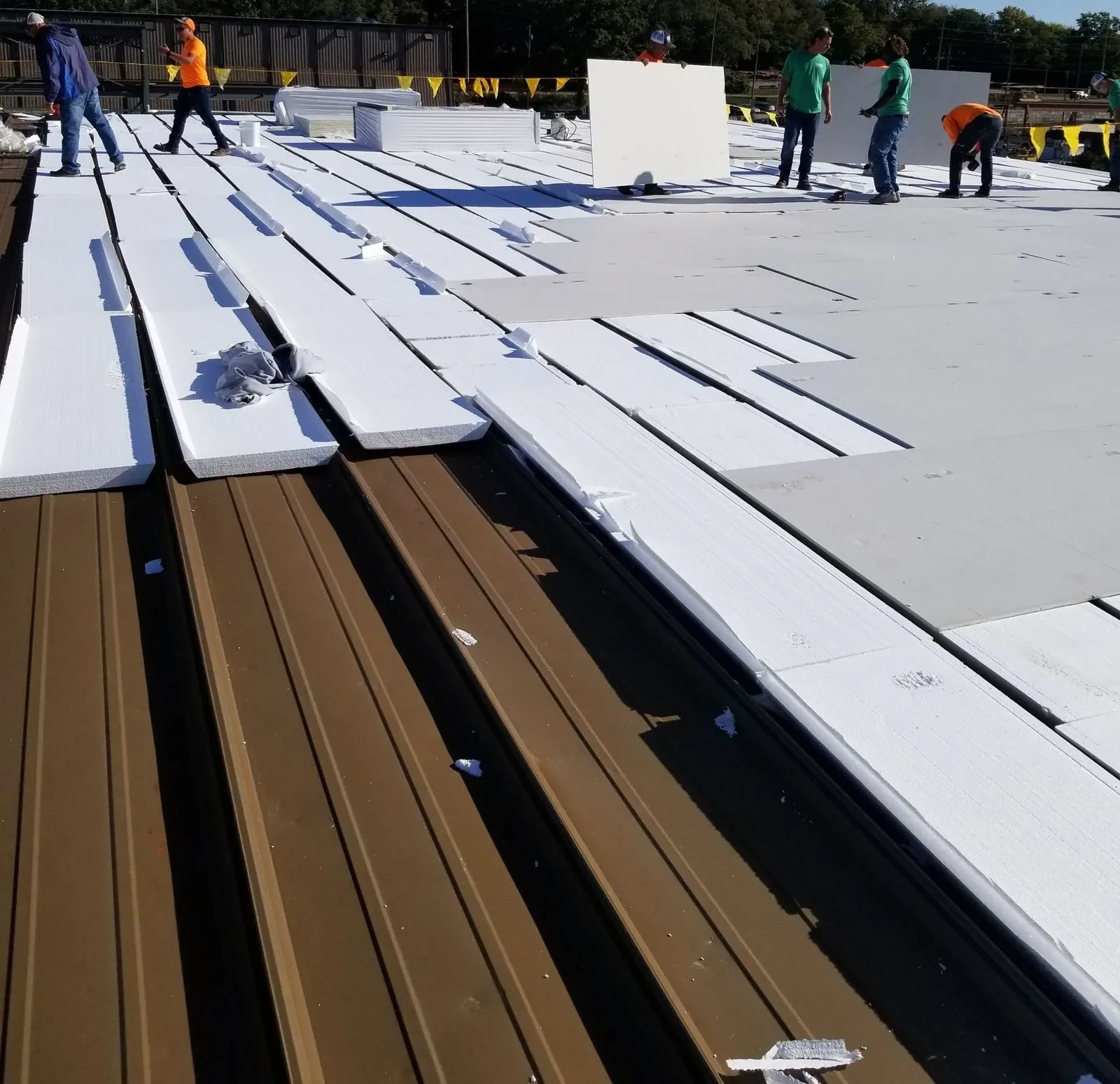
Safety comes first. Fire can weaken steel, char wood and crack concrete, and a roof that looks flat may not carry a person. We ask for the fire department's release, then inspect from the edge, from a lift or with a drone before walking the surface. Where the deck is suspect, a structural engineer looks before the crew goes further.

We check for sagging, discoloration, softness underfoot and distortion in the metal. Steel deck that has been heated can lose strength and may need replacement even when it looks sound. Wood deck can be charred below the surface. Concrete can spall. The findings are marked on a plan with the sections that must stay clear, and the deck decisions control the insulation, membrane and attachment work above.

Fire Damage Roof Repair

Heat, Smoke and the Membrane

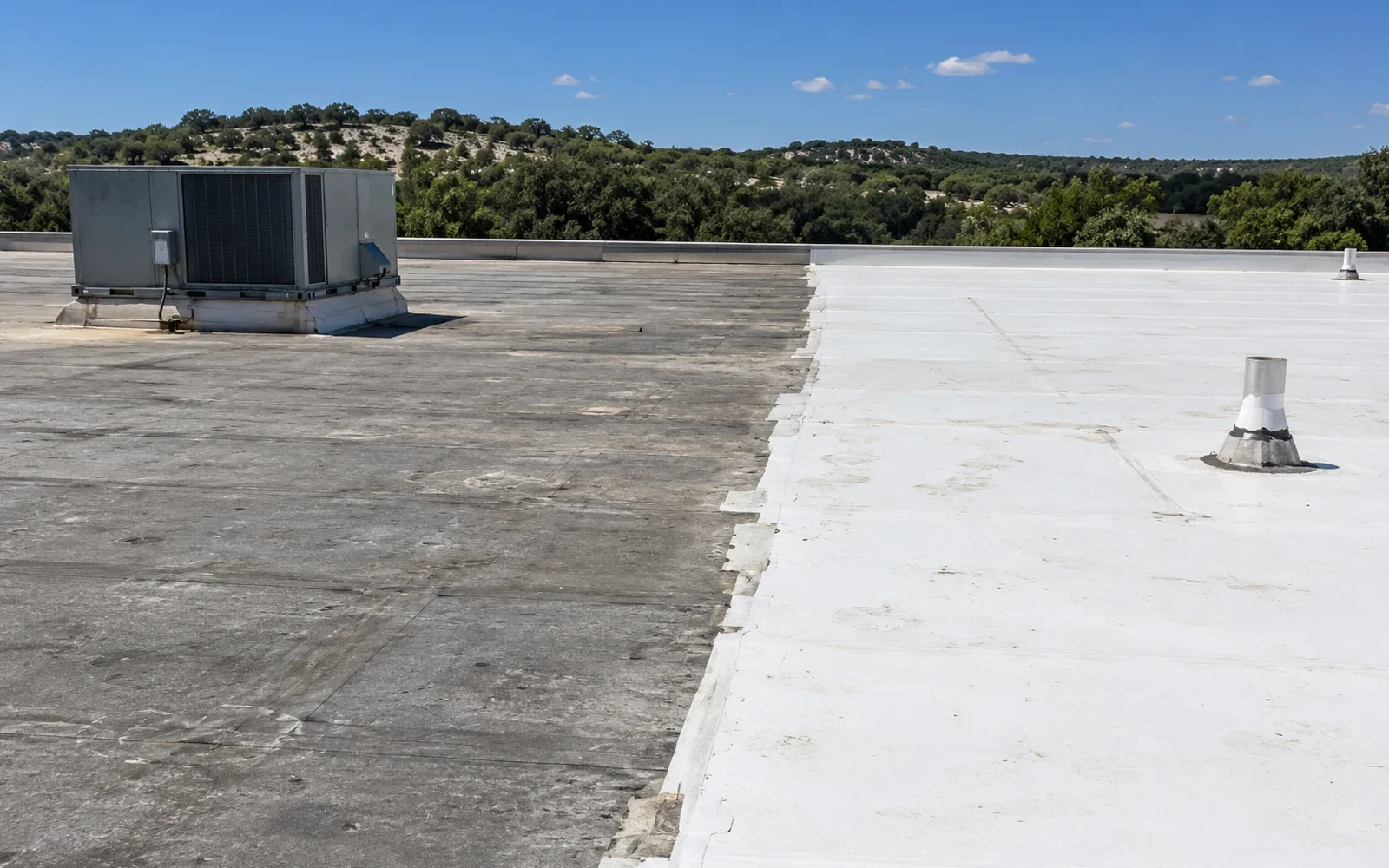
Heat damages membranes even where flame never touched them. Thermoplastic sheets shrink, wrinkle and fuse. Rubber sheets blister and crack. Modified bitumen softens and slides. Smoke leaves residue that can hide cracks and weaken bonds. Insulation can char, melt or shrink.

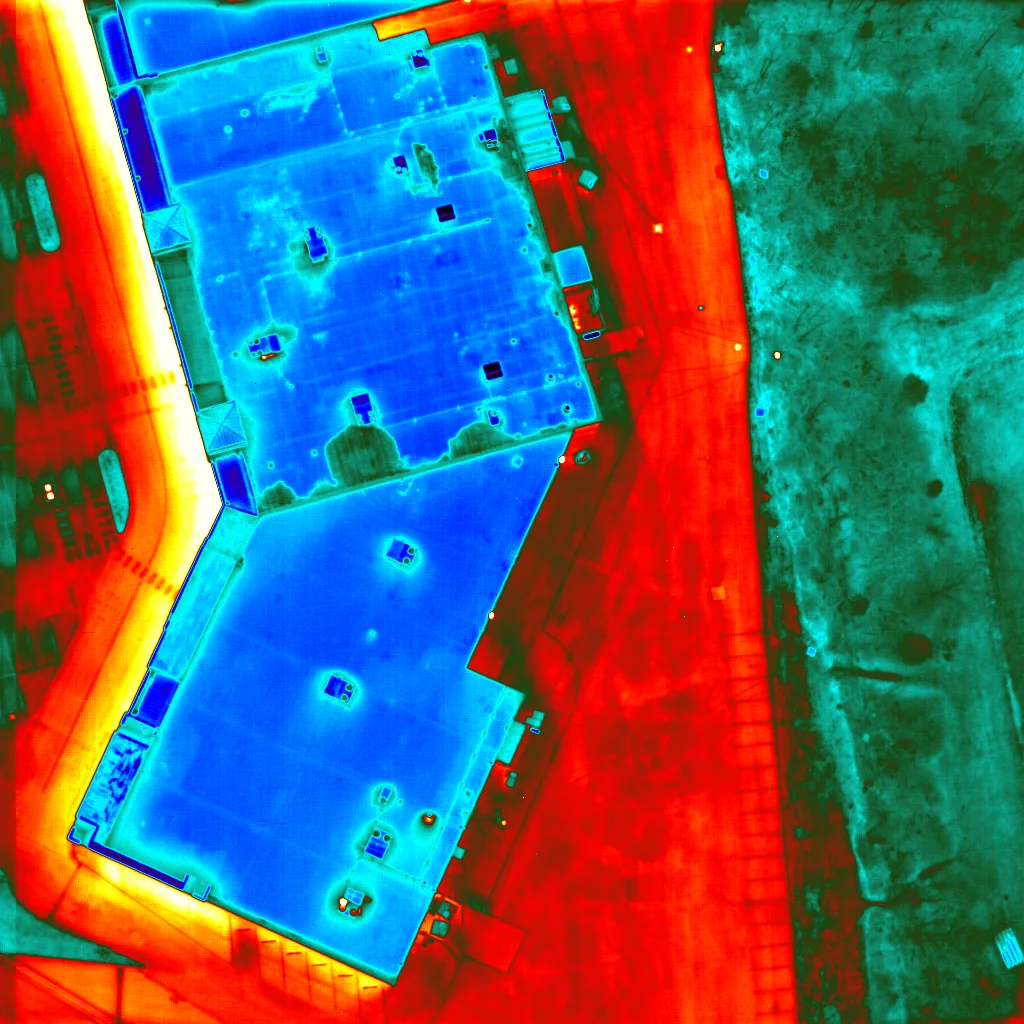
We mark every area where the sheet has changed color, texture or shape, then probe and cut test openings to see what lies below. Charred or melted insulation is removed, even when the surface looks usable, because it will not hold fasteners and may smolder later. A moisture survey finds where hose water has soaked the insulation, which can be a larger area than the fire. The scope lists each section as keep, patch or replace, with photos behind each call.

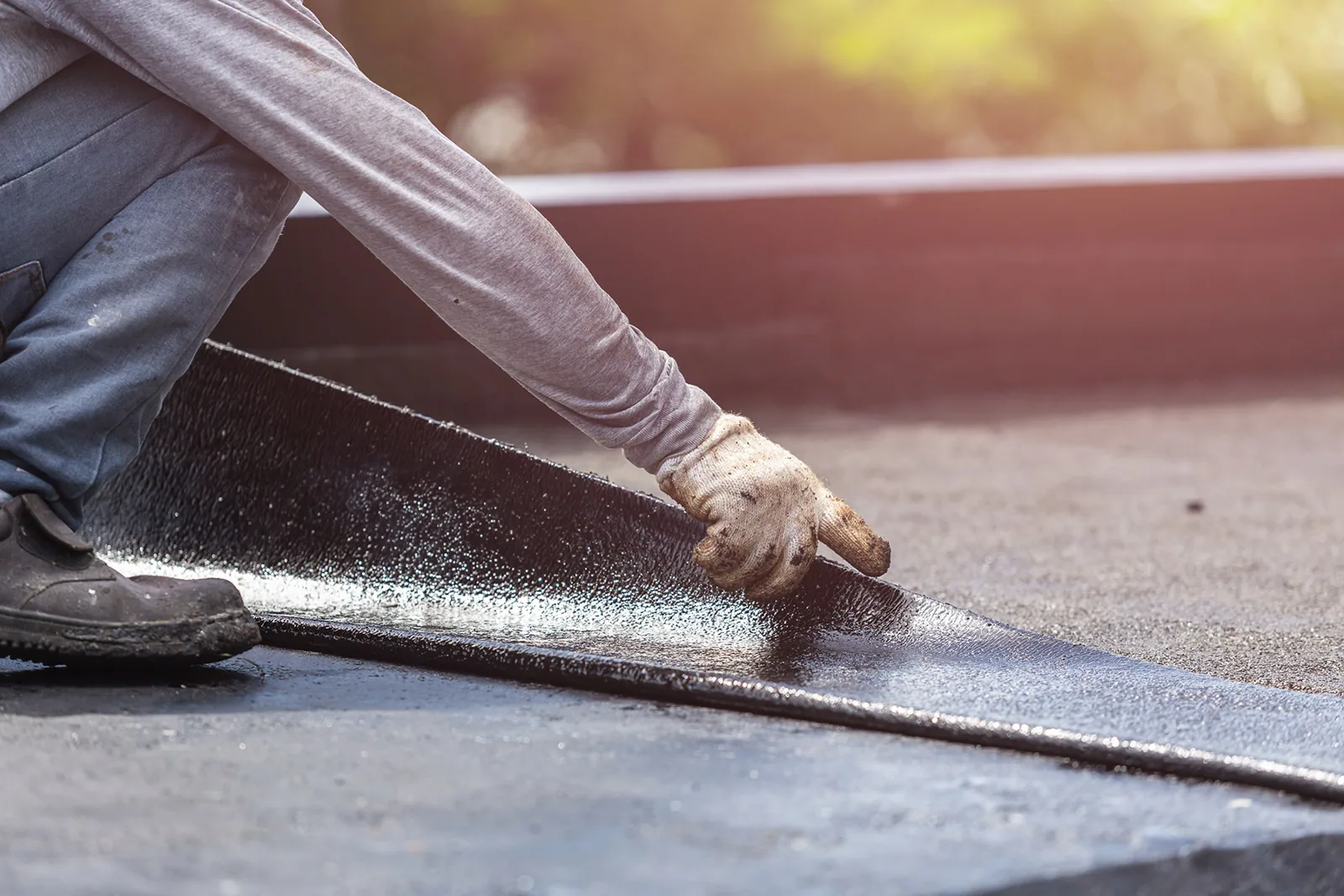
Debris from the loss often lands on the roof, and it cuts. Falling ceiling material, melted fixtures and blown-off equipment panels puncture the sheet and hide the holes. We clear carefully, photograph before moving and handle the membrane punctures the same way as any impact damage: find each hole, test the insulation below and patch with matching material.

Firefighting Water and Ventilation Cuts

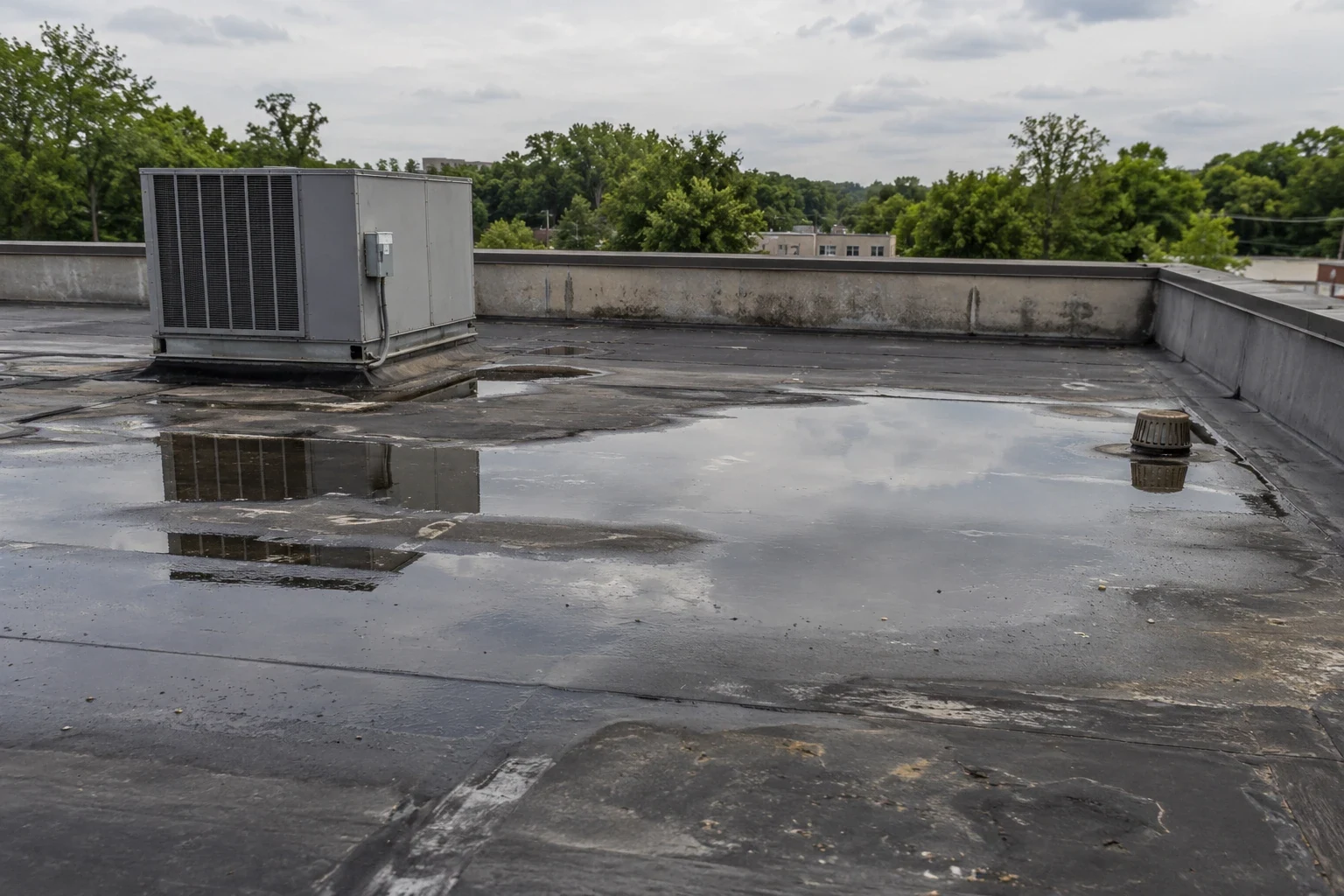
Firefighters cut roofs to vent heat and smoke, and they flood the structure with water. A ventilation cut is a deliberate opening, often several feet across, and it must be repaired like any other roof opening, with new deck, insulation and membrane tied into the surrounding sheet. Hose water soaks insulation and can pond where drains are blocked by debris.

We map the cuts and the wet areas, remove saturated insulation and clear the drains. Water left on the roof adds weight to a deck that fire may have weakened, and the same ponding water roof repair steps apply to low spots created by the loss. With about 36.55 inches of rain a year in San Marcos, an opened roof does not stay dry for long, and the dry-in is the first priority after the deck is cleared.

Dry-In and Temporary Protection

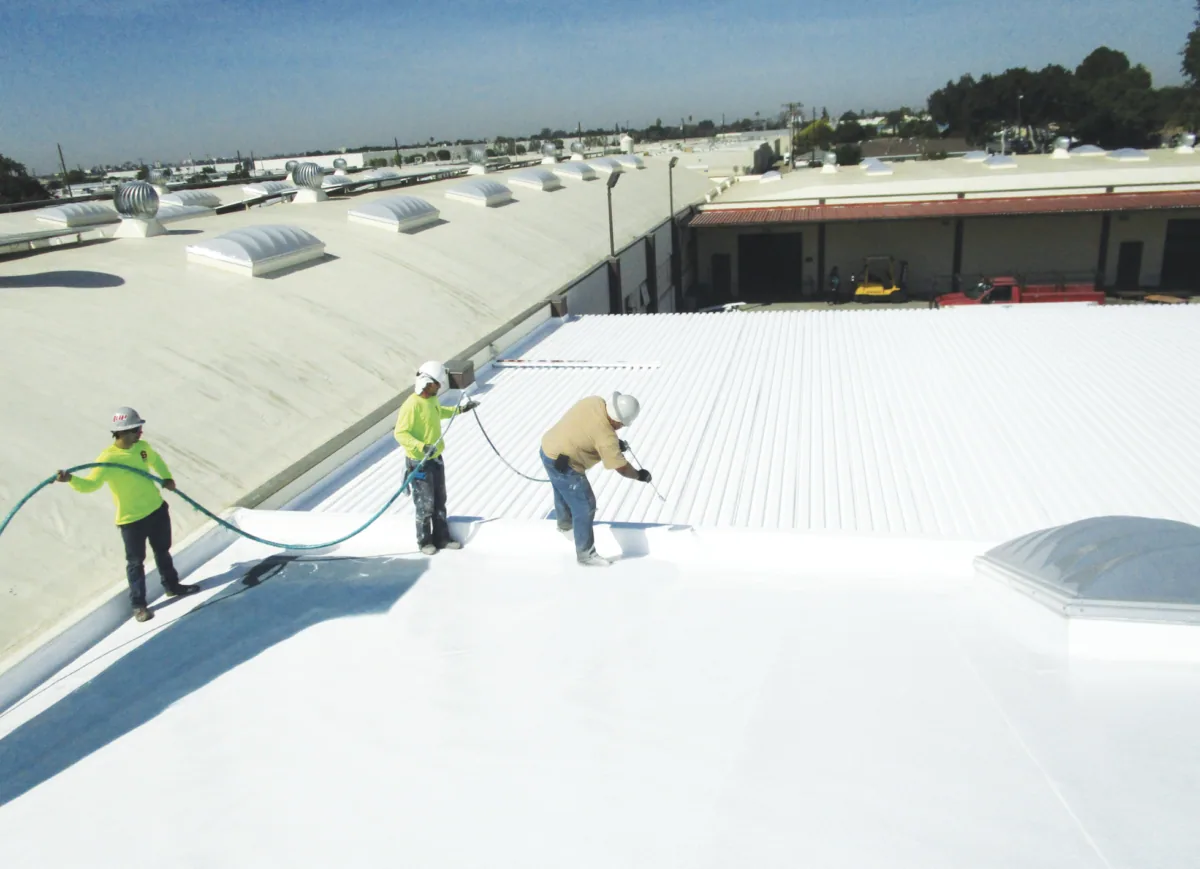
The dry-in protects the building until permanent work can begin. We cover openings with deck-level boards where needed, apply temporary membrane or tarps and seal edges. The cover is fastened to sound structure and not to charred material, and it is photographed before and after. The emergency roof repair response works around the clock, because rain does not wait for adjusters.

Temporary work must not destroy evidence. We photograph the roof before covering it, keep samples labeled and keep a log of every visit. If the carrier wants to inspect before permanent work, we hold the repair and document how the cover performs. The record covers the whole period between the fire and the finished roof, which is what claim reviewers look for.

Neighbors matter after a fire. Adjoining suites may share the roof, and their tenants need to know when the roof is safe, when the temporary cover goes on and when permanent work will make noise. We give the property manager a short written schedule for each phase, so tenants can plan.

Odor and soot are a secondary concern for the roof. Smoke residue can sit in the insulation and the deck long after the flames are out, so material that smells of smoke is treated as suspect and tested before it is reused.

Fire Damage Roof Repair

Different Buildings, Different Losses

A strip of retail suites, a manufacturing plant and a warehouse each lose a roof differently. East of I-35, outlet retail draws about 14 million visitors a year, which makes a fire in a retail building a public-facing roof problem. Plants and distribution buildings in the I-35 business park corridor carry large spans, process equipment and stock under the roof. The roof system on each comes from the walk.

The class guides the walk. A shopping center roof has shared walls and firewalls whose condition matters. A manufacturing plant roof may carry exhaust equipment whose ducts spread heat. Each gets a list of items checked, and the records are written so the carrier, the owner and the tenants read the same findings.

Large campuses add scale. A campus with roughly 250 buildings, as at Texas State University, needs a roof response to a fire in one building that does not delay the others. The 855,000 square foot Amazon fulfillment center is a reminder that large-footprint buildings bring their own staging and access demands when a roof section must be opened and rebuilt. That is why lifts, laydown and traffic are planned before the first day of repair.

Fire Damage Roof Repair

Claim Records and Code

The claim file records the condition, the cause where known, the temporary work and the permanent scope. Photos carry dates. Each roof section has a number. Our roof insurance claim assistance assembles the pieces into one document that an adjuster can price from.

Both 2021 International codes, building and energy, are in effect in San Marcos. When fire has damaged a firewall or parapet, we coordinate with the building official, since fire-rated assemblies have their own requirements. The final file includes warranty documents for new work and a maintenance plan for the repaired roof.

Commercial Roofing Questions

Is the roof safe right after the fire department leaves?

Not until the deck is checked. We inspect from the edge or a lift and bring in an engineer when the structure is in doubt.

Why remove insulation that looks fine?

Heat and water can damage it inside. Charred or soaked board will not hold fasteners and may keep moisture.

What is a ventilation cut?

A hole made by firefighters to release heat and smoke. It must be repaired with new deck, insulation and membrane.

Can only the burned part be replaced?

Sometimes. Heat and water often reach beyond the flames, so the scope follows what the tests show.

What records does the insurer need?

Dated photos, a section plan, moisture results, temporary work logs and a line-item scope.

Send the Building List and the Date of Loss

Send the building list, the roof plans and the date of the fire, and a superintendent will walk the highest-risk sections first and return a ranked condition summary. Start from the contact form.

Request a Roof Assessment

Related Roofing Work

ServicesRoof SystemsIndustriesProperty TypesService AreasRoof Damage RepairCapabilitiesManufacturersAboutContactRequest a Roof Assessment555-555-5555
Call555-555-5555