555-555-5555

Soprema Roofing and Waterproofing

A building on a historic square has a roof that cannot be treated like a warehouse roof. Access is tight, walls are shared, drainage depends on the neighbor and open flame is a real risk beside old timber. The Hays County Courthouse on the San Marcos Public Square dates to 1908 and sits in a historic district designated in 1992, and older commercial buildings around a square like that can carry roofs with similar constraints. For an owner in San Marcos, TX holding a roof from Soprema, a maker of modified bitumen and liquid-applied waterproofing, the question for the next budget year is which of its systems suits a tight, old or irregular roof and how to keep it dry.
What the Systems Are

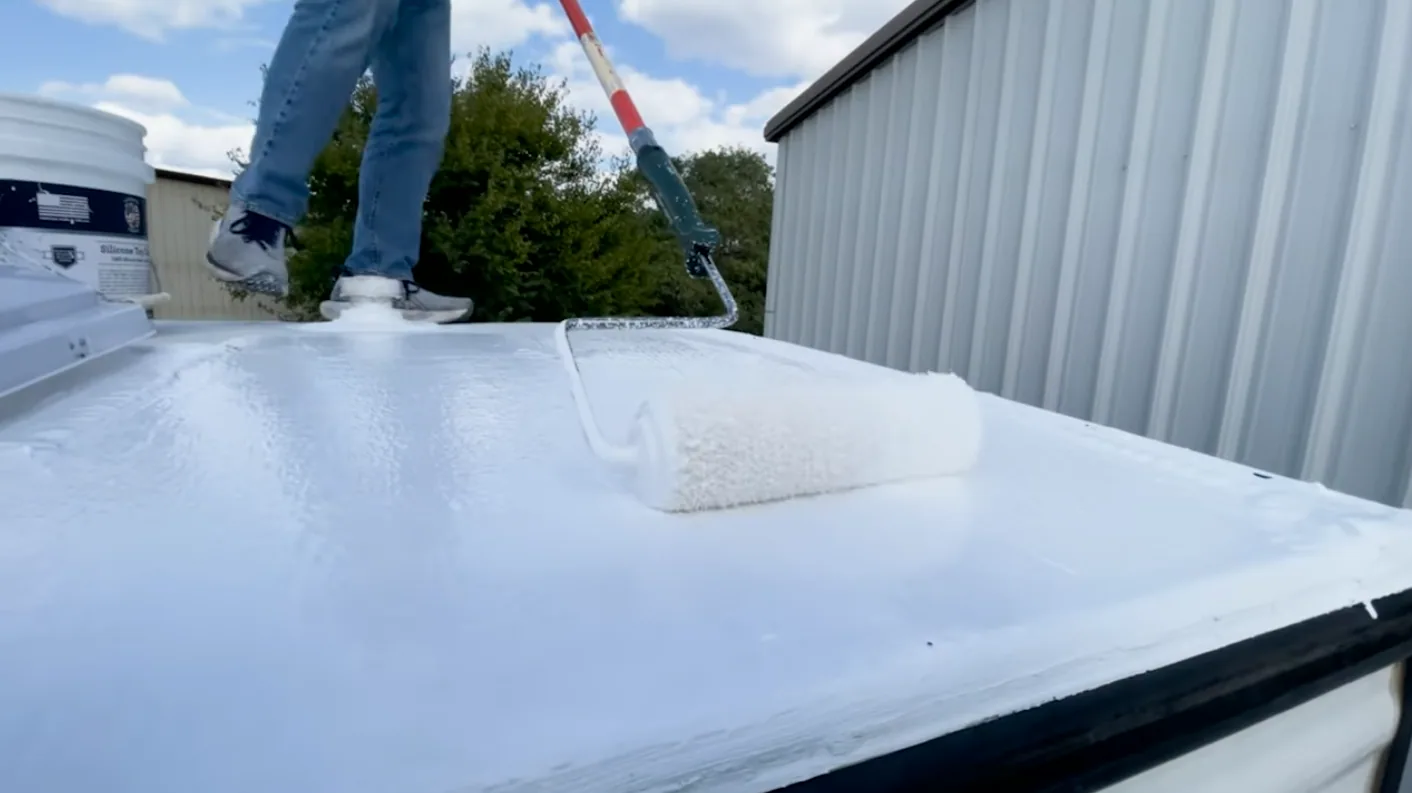
Soprema's commercial lines are known for modified bitumen membranes, which are asphalt sheets reinforced with polyester or glass and modified with polymers, and for liquid-applied flashing and waterproofing resins such as Alsan. The sheets are installed in layers, adhered with cold adhesive, heat welding, self-adhesive backing or, on older systems, torch. The liquids are applied by roller or trowel and cure into a single jointless membrane.

Both families suit complicated roofs. A sheet handles large flat areas and gives a layered build. A liquid handles odd shapes: curbs, pipe clusters, parapet caps, drains and skylight frames. A good roof often uses both.

We read the roof first. A core shows whether the existing system is asphalt-based or something else, and the answer drives the repair.

Insulation under an asphalt system matters as much as the sheets above. Rigid boards carry most of the thermal value, and a cover board over them protects against foot traffic and impact. Wet board must come out, because asphalt layers laid over it trap water and blister within a few seasons.

Soprema Roofing and Waterproofing

Roofs Around a Historic Square

Older commercial buildings around a square often share walls, parapets and drainage. Water that falls on one roof may flow to a neighbor's. A flashing that fails at a party wall can wet two buildings. The roof edges are masonry, and the masonry takes in water at cracked mortar and open coping.

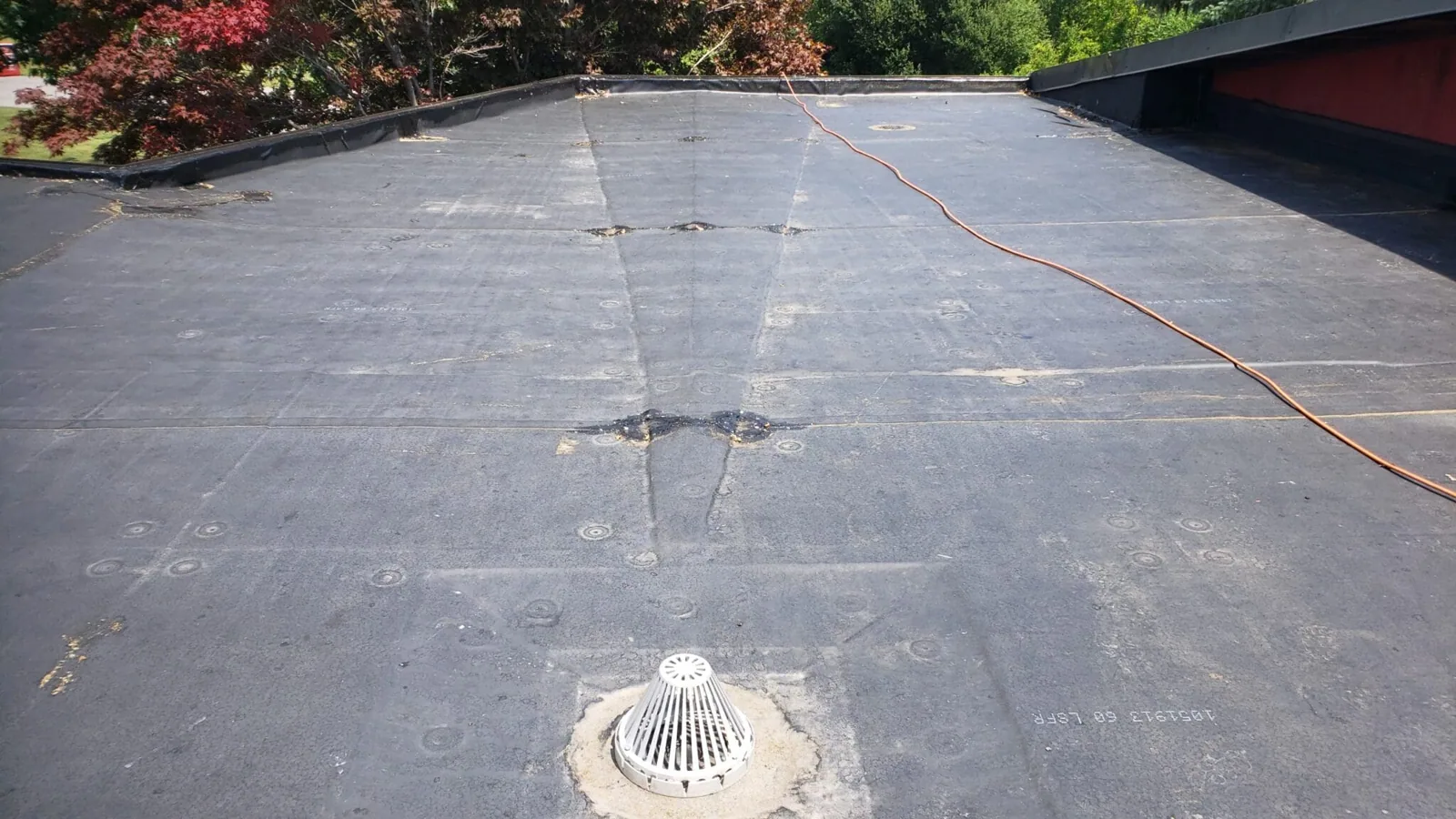
We start with the walls. We probe mortar, press sealant at the reglet and check coping stones. Then we look at the field of the roof: blisters, ridges, ponds and splits. If the roof has been patched many times, we cut cores to learn how many layers are present and how wet each is.

Photographs matter on this class of building. We record conditions before work and after, and we note anything an owner or a preservation reviewer would want on file.

Drainage is the other recurring item. Scuppers through old parapets sit at fixed heights, and the roof surface may have settled below them. Water then ponds behind the wall and finds the weakest joint. We measure the difference, clear the outlet and, if needed, add a tapered section to bring the low spot back to drain.

Torch-Free Methods

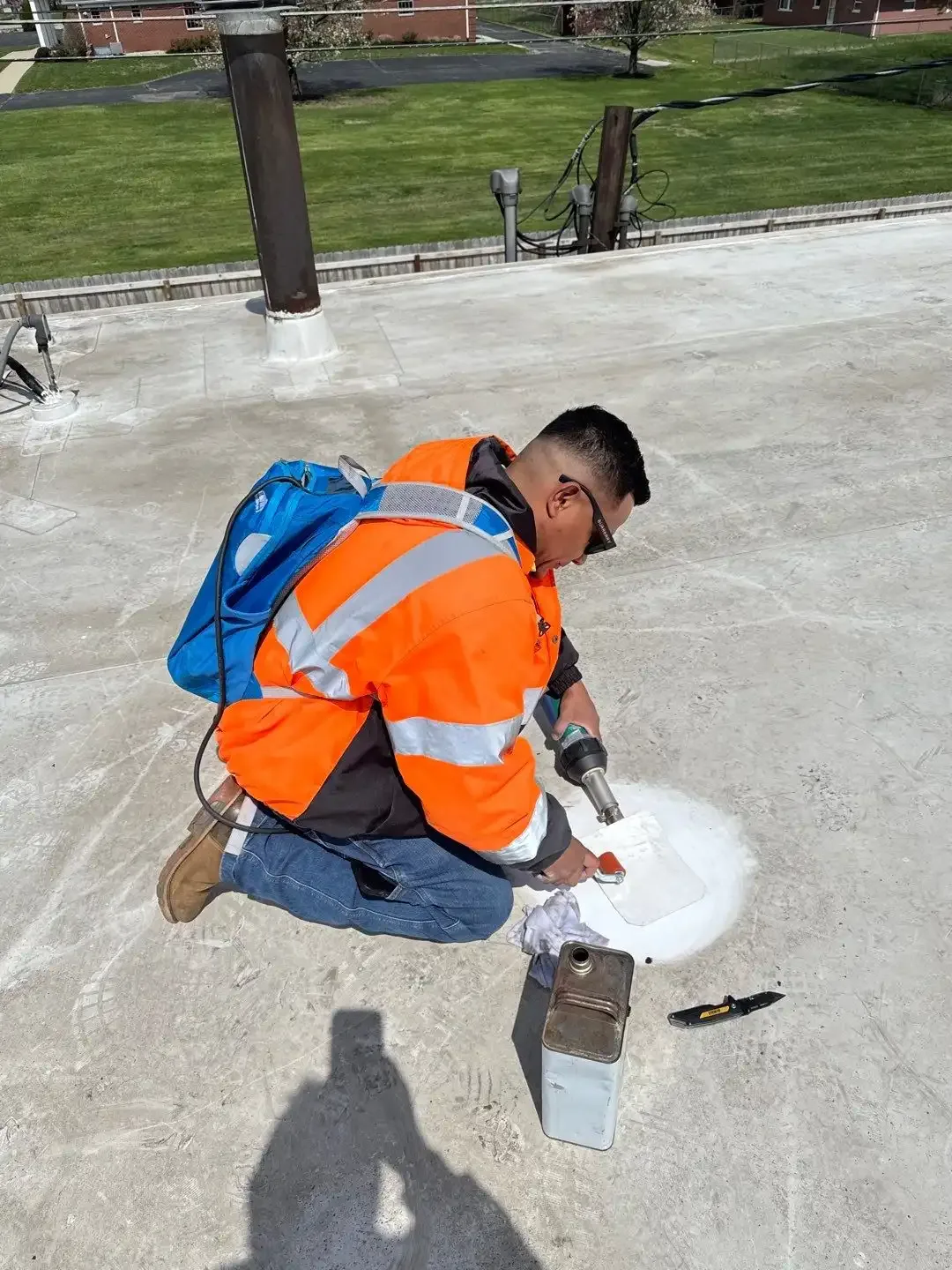
Open flame is a hazard near old timber, dry insulation and tight parapets. We prefer cold-applied adhesives, self-adhered sheets, heat welding and liquid-applied systems where the design allows them. Those methods produce no open flame on the roof and give better control near walls and openings.

Fumes get a plan as well. We locate fresh-air intakes and operable windows before any adhesive is opened, and we stage materials away from them. On a downtown square, we coordinate the schedule so noise and odor fall in the hours when they cause the least trouble.

On a roof without room for a crane, material goes up by hoist or by hand. We plan the route, protect the sidewalk and keep the street open to pedestrians.

Fire safety extends beyond the roof surface. We keep extinguishers on the roof, assign a watch after any heat work and inspect the work area before we leave. Our crews carry the same equipment on every job, and the plan sits in writing with the owner before the first day.

How We Install and Repair

Installation follows Soprema's published details and the permit documents. The deck is checked, insulation is laid in staggered joints, the base sheet is set and the cap sheet is adhered with side and end laps staggered. Flashings at walls and penetrations are built with sheet and reinforced liquid, and terminations are secured and sealed.

Repair begins with the cause. A split in a cap sheet is cut out and rebuilt with new material that overlaps sound areas. A blister is opened, dried and patched. A failed flashing is stripped and rebuilt. Where a roof has many odd details, a liquid-applied flashing seals them without joints.

Each step is photographed and logged on the roof plan. The next preventive visit checks every repair first.

Details at drains and at the base of walls get a second layer of attention. We reinforce corners, extend flashing high enough up the wall to shed water and seal the top edge under coping or counterflashing. Those are the places where roofs on old buildings open first.

Soprema Roofing and Waterproofing

Heat, Hail and Water

The May 9, 2024 storm that crossed San Marcos earlier left hail up to six inches across on Johnson City. Falling limbs puncture roofs as readily as hail bruises them, and a storm review checks for both.

Heat adds its own wear. With August highs near 98 F at Camp Mabry in Austin, asphalt membranes can soften and shift under that load unless they are surfaced with granules or a reflective coating. A coating restoration can extend the life of a sound asphalt roof when the cores show dry insulation.

After a storm, a short walk with a camera finds loose coping, shifted metal and debris before the next rain. Photographs of undamaged areas go into the file along with photographs of damage, so the record shows what was checked.

Soprema Roofing and Waterproofing

Warranty, Records and the Square

Manufacturer warranties carry conditions, and the manufacturer decides coverage. Keeping a penetration log, scheduling maintenance visits and giving prompt notice of leaks hold a roof inside those terms, and that is the work of roof warranty management. A roof from GAF or Johns Manville would sit in the same file, scored on the same factors.

Two 2021 model codes, building and energy conservation, define what a San Marcos reroof must meet. Owners around the downtown San Marcos square and in nearby Lockhart, where the Caldwell County Courthouse is a historic landmark, can keep each building in one file with the same format throughout.

Commercial Roofing Questions

Why avoid a torch on older buildings?

Open flame near old timber, dry insulation and tight parapets raises fire risk. Cold-applied, self-adhered and liquid systems avoid it.

What does a liquid-applied flashing do that a sheet cannot?

It seals odd shapes without seams: curb corners, pipe clusters, parapet caps. It cures into one continuous layer.

How do I tell if my roof is modified bitumen?

It has a dark, granulated or coated surface in sheets with overlapping seams. A core confirms the layers and the reinforcement.

Can a shared wall cause a leak in my building?

Yes. Flashing at a party wall fails and wets both sides. We inspect the wall from the roof side and agree on repair with the neighbor.

Can an old bitumen roof be coated?

When the insulation is dry and the sheet is sound, a coating can extend its life. Wet insulation rules it out.

Send the Building Addresses and Notes on Access

Share the addresses, roof ages, access notes and any prior reports, and we will sort the roofs into replace, repair and watch groups before your next budget year.

Request a Roof Assessment

Related Roofing Work

ServicesRoof SystemsIndustriesProperty TypesService AreasRoof Damage RepairCapabilitiesManufacturersAboutContactRequest a Roof Assessment555-555-5555
Call555-555-5555