555-555-5555

Manchaca

A roadside strip building does one thing to a roof: it makes the tenants the main source of wear. Each new occupant means a new rooftop unit, a new vent or a new sign, and each of those is a cut in the membrane. Manchaca, TX is a census-designated place in Travis County about 12 miles southwest of downtown Austin, with 2,266 residents in 2020. FM 1626 runs west to east through it and connects to Interstate 35 two miles east, and Old San Antonio Road runs south from Austin toward Buda just west of I-35. Strip and roadside buildings carry the kind of roof where a penetration log matters more than a roof age.

For an owner, the budget-year question is which roof sections have been cut and patched too many times and which still have service left.


The Strip Roof and Its Tenants

A strip building shares one roof across several bays. Water that enters at one cut can run under the sheet to a bay far from the entry, so the stain often lands in the wrong unit. Landlords then hear from a tenant who has nothing to do with the cause.

We begin with two maps: a stain map from the interior and a penetration map from the roof. Where they overlap, the likely entry point appears. A moisture scan from above confirms, and a core at the edge of the wet zone shows the layers. The repair goes to the entry, not to the stain.

When a tenant leaves, the roof above the empty bay is a good place to look. Access is easy, and there is no operation to disturb. At turnover, a quick walk of the roof over the vacated bay, with the curb and flashing photographed before the next contractor starts, catches quiet damage. Our shopping center roofing approach uses this routine.

Lease language matters here. Some leases put the roof under the landlord, and some make a tenant answer for anything it adds. A written penetration log with dates and contractors settles who cut what, and it keeps a disagreement from turning into a delay while water keeps coming in.

Manchaca
Manchaca

Rooftop Units, Curbs and Condensate

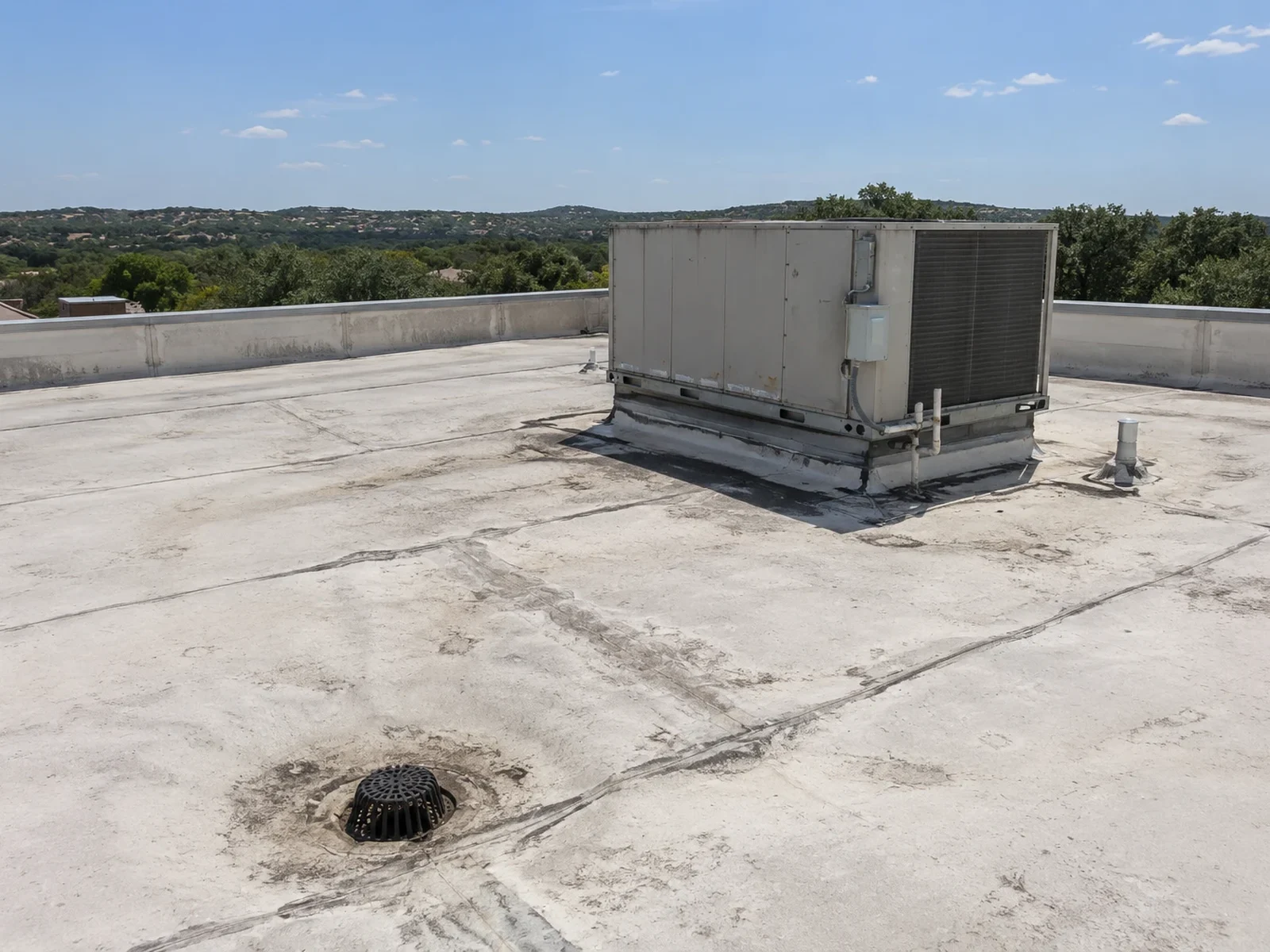
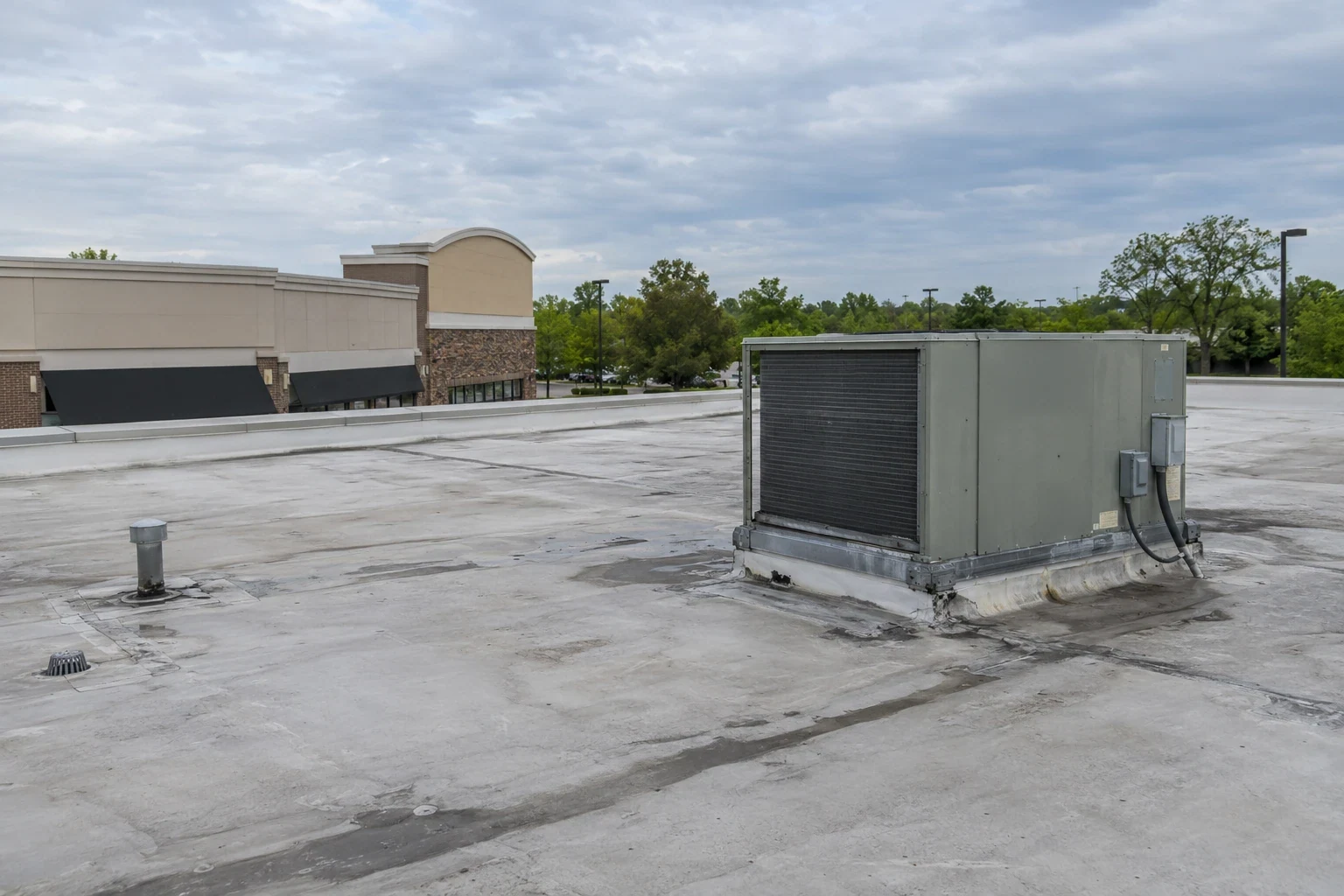
Each rooftop unit sits on a curb or a stand. The curb is a box through the roof, and its flashing climbs the sides and tucks under a counterflashing. Heat cycling opens that tuck over time. Sealant dries and cracks, and water follows the curb wall down.

We check every curb for gaps, torn corners and loose fasteners. We also check the unit itself. A failed gasket lets rain into the duct, and that looks like a roof leak. Condensate lines that end on the sheet leave streaks and eventually holes, so each line is followed to its end and given a splash block or an extension where needed.

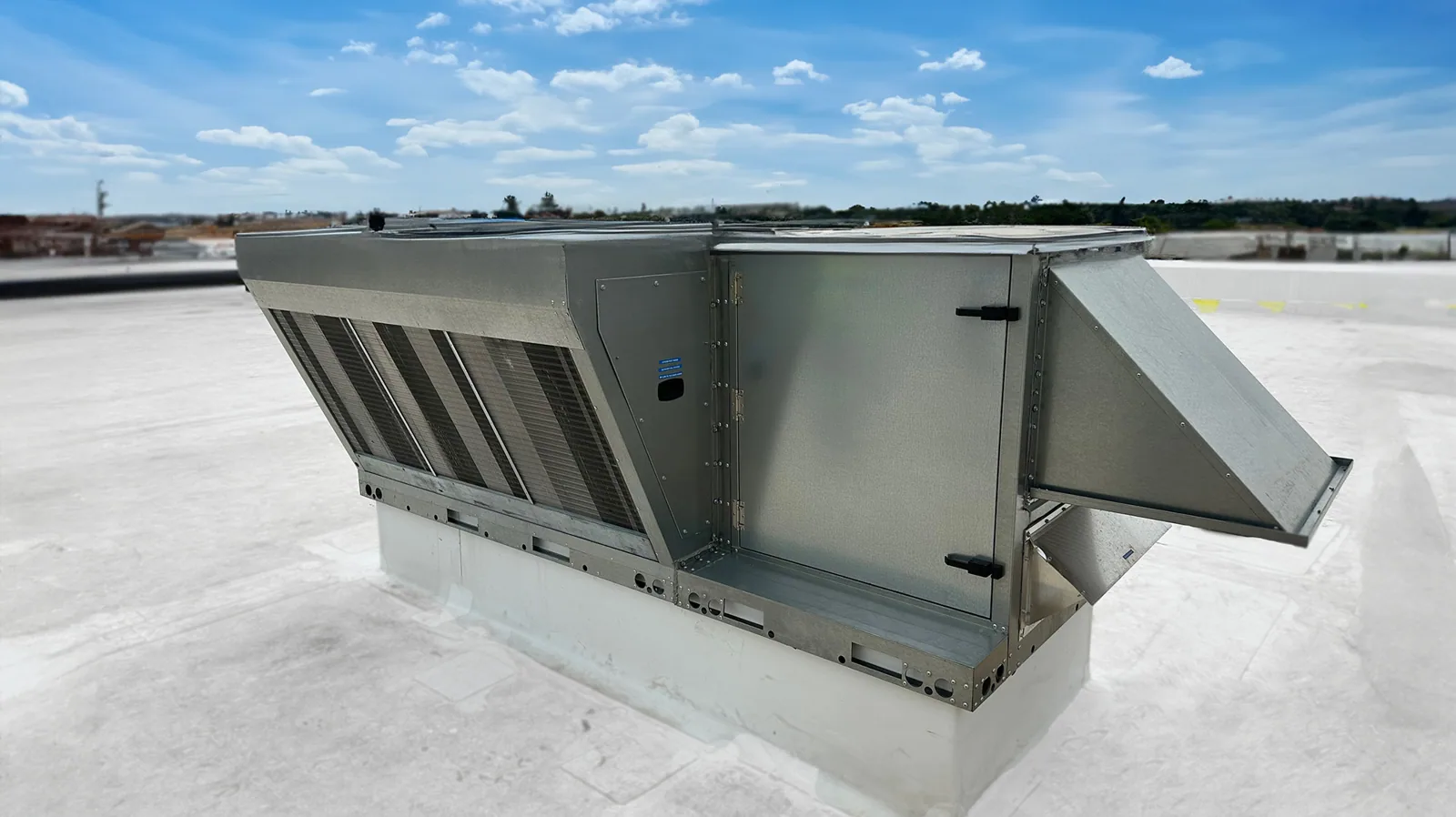
When a unit is replaced with a larger one, the curb often has to change too. A mismatched curb leaks at the corners. Each replacement is checked against the original detail, and any mismatch is flagged before the roof is covered. Our rooftop equipment curb and support work follows that order.

Exhaust from restaurants and service shops adds heat, grease and vapor to the membrane near the fan. We check a ring of sheet around each outlet for chalking, softening and blisters. A grease pan under a kitchen exhaust, emptied on schedule, protects the roof and costs little.

Drains, Scuppers and Ponding

A long, narrow roof drains toward a few outlets. If a drain clogs or a scupper sits too high, water collects and sits. Water that sits two days speeds wear and loads the deck.

We measure slope with a level after rain and log every low spot with a location and depth. We check drain bowls, overflow scuppers and downspouts, and we clear debris. If ponding persists, the fix may be a new drain, a tapered insulation section or a drain line extended to the low point.

Leaves, grit and spent sealant collect at outlets. A broom and a camera are the main tools at the spring walk, and two visits a year keep drains running. That rhythm costs little against a ceiling collapse in a tenant's space.

Leaves from nearby trees and grit from the lot reach the roof by wind. They collect behind parapets and curbs, hold moisture against the sheet and clog outlets. A spring and fall walk clears them before storm season and before the first freeze.

Hail, Wind and Heat From the Regional Record

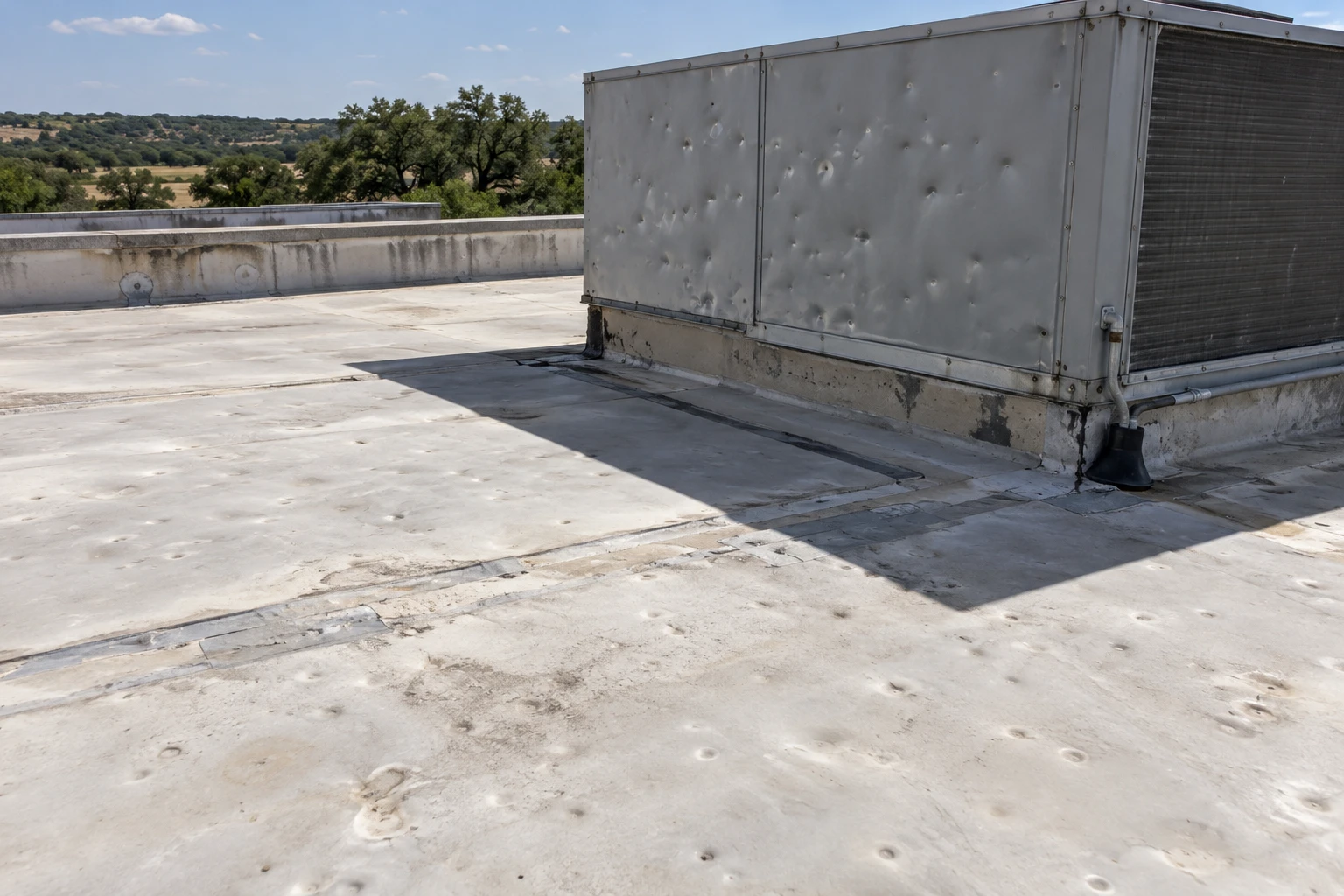
Hail up to six inches across fell in Johnson City on May 9, 2024, and the same storm crossed into San Marcos afterward. That is a regional record, not a reading from Manchaca. Afterward the edge metal, rooftop covers and loose flashings get checked, and a scan looks for bruised insulation, with cores cut where it flags.

Hail leaves bruises that do not leak at once. A scan within days finds them while the evidence is clear, and the findings go into the hail damage repair record. Roofs that show nothing get a note saying so, because a clean result is also information.

Camp Mabry in Austin averages near 98 F in August, which is the slower heat load, and sealants and flashings wear under it. A reflective coating over a sound membrane can lower surface heat.

Manchaca

Repair, Restore or Replace

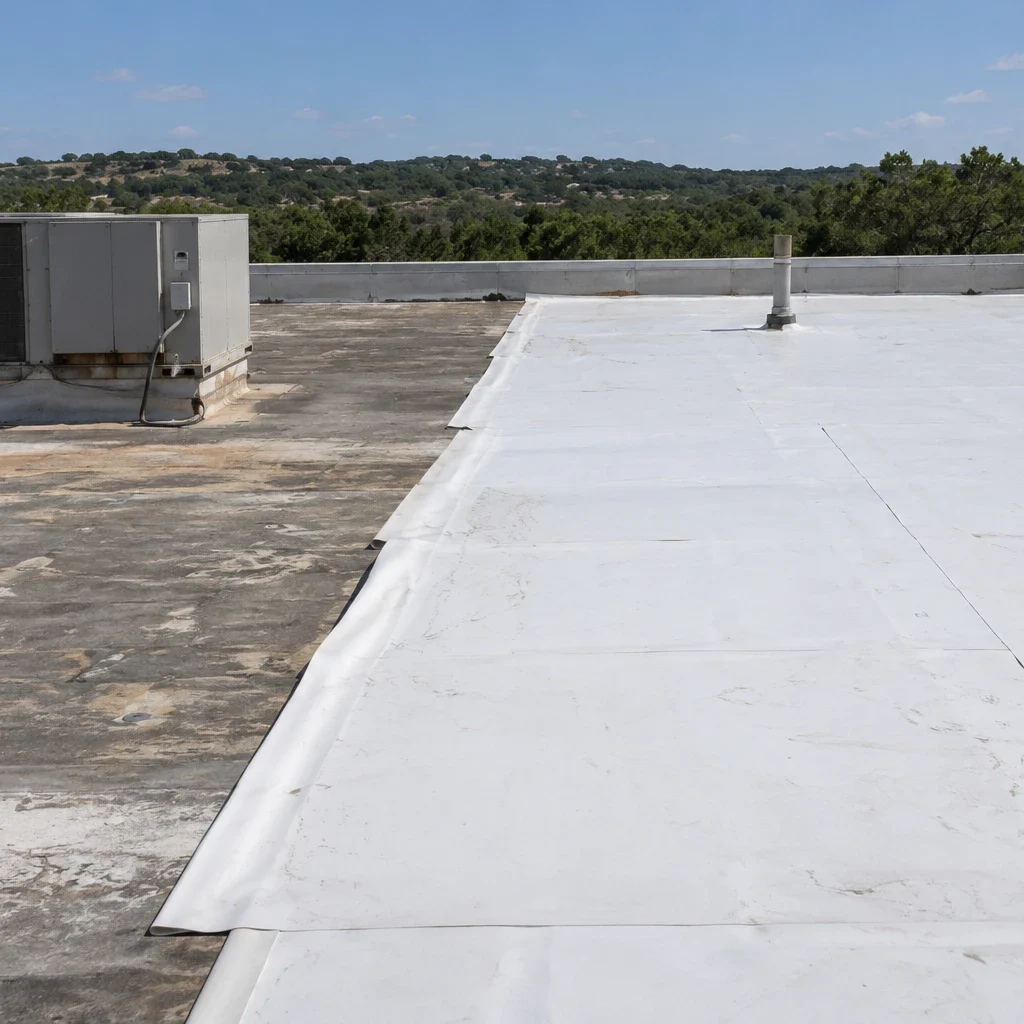
Readings drive the decision. Dry insulation under a sound membrane points to repair or coating, a tired sheet over a sound deck to a recover, and wet insulation or a damaged deck to removal. Wet area, penetrations, access and continued building use set the price.

A San Marcos permit for roof replacement is checked against two 2021 codes: the building code and the energy conservation code. A project in Manchaca falls under the permit office with jurisdiction there, and we confirm which edition applies before pricing a replacement.

Staging on a roadside strip is simple compared with a campus, but it still needs a plan. Trucks park in the lot, material is lifted at the rear and sidewalks stay open. We agree with the landlord on parking, hours and noise before the first day.

Manchaca

One File Along the Corridor

An owner with buildings along FM 1626 and Old San Antonio Road may hold others farther south. Kyle's FM 1626 medical and retail corridor and the I-35 retail stretch in Buda are reached by the same routes. A single roof file with the same format for each building lets the owner rank them against each other and fund the worst first. The roof inventory that results is the working list for the next budget year.

Commercial Roofing Questions

Why does a leak show up in a different unit than the cause?

Water runs under the membrane and along the deck. The stain appears where it drops, not where it enters. Two maps and a scan find the entry.

What should a landlord do at tenant turnover?

Walk the roof above the empty bay and photograph the curb and flashing before the next contractor starts.

Do condensate lines damage the roof?

They can. A line that ends on bare sheet wears a hole, and a splash block or drain extension fixes it cheaply.

How often should drains on a strip roof be cleared?

Twice a year and after storms. Clogged drains hold water and shorten membrane life.

Can a bigger replacement unit use the old curb?

Rarely. A mismatched curb leaks at the corners. We check each replacement against the original detail.

Send the Building Details and Tenant Notes

Send the building address, the roof age if known and any past reports, and we will sort the roofs into replace, repair and watch groups before your next budget year.

Request a Roof Assessment

Related Roofing Work

ServicesRoof SystemsIndustriesProperty TypesService AreasRoof Damage RepairCapabilitiesManufacturersAboutContactRequest a Roof Assessment555-555-5555
Call555-555-5555