555-555-5555

Wimberley

Visitor retail is the building class that defines commercial roofing in Wimberley: boutiques, galleries, antique shops and restaurants in limestone-faced buildings around the Wimberley Square, plus the tasting rooms and venues that draw people to wineries, breweries and distilleries. The town is in western Hays County, about 16 miles from San Marcos, with 2,839 residents in 2020. What a visitor economy does to a roof is simple and unforgiving. A leak on a busy weekend costs sales, and a stained ceiling in a gallery costs more than the repair. We plan the roof so the work happens in the quiet weeks and the busy ones stay dry.

Limestone faces and the roofs behind them

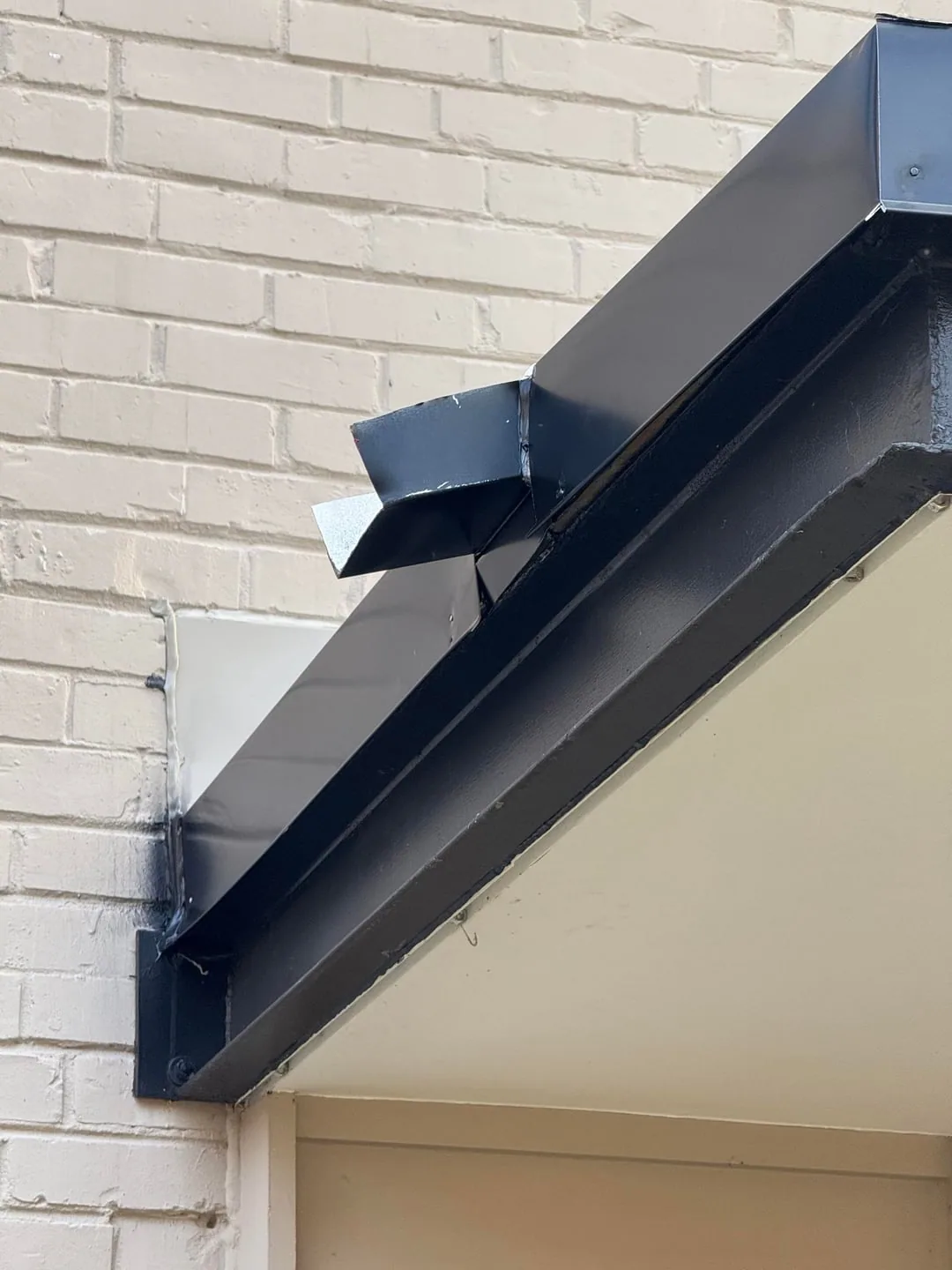
A limestone-faced building has a stone or masonry wall that rises above the roof edge or meets it at a shelf. Behind it the roof may be flat, low-slope or pitched, and we confirm which on the roof. The wall-to-roof junction is the weak point in every case. Stone moves at a different rate from the roof, mortar joints age, and the counterflashing set into the masonry can pull away. Water then runs down behind the stone or into the interior wall. Cap or coping, counterflashing, base flashing and the mortar joints near the roof line all get checked, and any stain on the wall below is photographed, since the wall often shows a leak before the ceiling does.

Pitched sections behind a stone front add their own checks. Valleys collect leaves, eave flashing meets the wall at an angle and a standing seam or shingle-style metal panel moves with heat. We look at the valley metal, the ridge cap, the eave drip and every wall-to-roof transition. A stone face can hide a gutter that has pulled loose, so we check the gutter hangers by hand and not only by sight.

Wimberley
Wimberley

Retail, galleries and restaurants

Each tenant type has its own roof sensitivity. Galleries and antique shops hold items that water ruins, so a drip is a loss and not an inconvenience. Restaurants add kitchen exhaust, grease and heat, and the membrane near a fan wears faster than the field. Boutiques depend on a clean, bright interior. For a restaurant roof we check the exhaust curb, the grease containment and the membrane near the discharge. For small retail we check drains, scuppers and penetrations, and we note the tenant mix so the repair calendar fits each tenant's busy days. Many buildings share a roof, and a leak above one shop is another tenant's loss.

Shared roofs need shared records. When several tenants sit under one roof, the file lists the tenant under each section, the equipment each one added and the date of every repair. A leak report from one tenant can then be traced to the roof section above, and the repair does not wait on a debate about whose problem it is.

Tasting rooms, venues and lodging

The town draws visitors to wineries, breweries and distilleries, and venues of that kind often mean larger single-story buildings with wide spans, open interiors and rooftop equipment. A tasting room with a high ceiling and exposed structure cannot hide a leak. Event spaces schedule weekends months ahead, which leaves narrow windows for roof work. Lodging adds hotel-type roofs with steep or low-slope sections, balcony drains and mechanical rooms. The roof on the walk tells us which of these an owner has. Repairs are planned for weekdays and off-peak weeks, with a standby crew on call for leaks during an event.

The Blanco flood and what it teaches

The Blanco's 2015 crest at Wimberley, an estimated 41.5 feet on May 25 and almost 30 feet above flood stage, came in the Texas-Oklahoma floods. A flood of that kind is a water event on the ground, not a roof event, and it tells us nothing about the condition of any roof in town. What it does show is how quickly water moves in this part of the Hill Country. That is why drainage on a roof matters: when a heavy rain falls, scuppers and downspouts must carry it away fast, and a clogged outlet lets a pond form within minutes. A drain and scupper review before the wet season is a cheap step.

Debris is the roof lesson that follows heavy weather. Wind and water carry leaves, branches and trash that settle in valleys and drains. After a major storm we clear the outlets first, then walk the field. A drain that was clean in spring can be blocked by August, and the next storm finds the weakness before the owner does.

Wimberley

Hail, heat and the regional record

Hail is the shared risk across Hays County. On May 9, 2024, six-inch stones fell at Johnson City, and the storm moved on to San Marcos. None of that shows damage to any roof in Wimberley, yet it explains why owners ask for a review after a storm. We count impact marks in test squares, look at metal for dents at seams and ribs and write up the findings. A hail damage repair record helps with a claim and shows what is new and what is wear. Heat adds a steady load, with August highs near 98 F at Austin Camp Mabry.

After a storm, the same walk covers the less obvious items: skylights over galleries, vent hoods, satellite mounts and the gutters that tie a stone front to a lower roof. Each gets a photograph with a note. If the hail passed without leaving marks, the file says so, and the owner has a clean record dated to the week of the event.

Wimberley

Scheduling and the budget year

We schedule work to protect the visitor season. Heavy tear-off waits for quiet weeks, small repairs happen early in the day and staging stays off the square and the customer lots. Owners with property in Woodcreek, about 2 miles north of Wimberley, or in Dripping Springs, can combine visits. A standing seam metal roof is a common choice for small commercial buildings that want a clean line and long service. Wimberley's permit office, not San Marcos, names the code edition for a replacement there, and we confirm it before pricing.

Planning for the visitor calendar is the main budget lever. Replacement work done in the off-season avoids lost sales, even if materials cost the same. A yearly walk, timed before spring storms, keeps the file current and lets the owner move a roof from watch to repair with notice. Each scope lists the same drivers of cost, area and access first, then deck condition and insulation.

Commercial Roofing Questions

When is the best time to reroof a shop in a visitor town?

In the quiet weeks between busy seasons. We plan the calendar with the owner and keep a standby crew for leaks during events.

Why does stone show a leak before the ceiling does?

Water runs down behind the stone and stains the wall, often before it reaches the ceiling. A damp patch or white mineral deposit near the roof line is a cue to check the flashing.

Can a gallery roof be repaired without moving the art?

Often. We protect the interior zone below the work with tarps and screens, and we coordinate with the owner on any piece that needs to move.

Does a flood affect the roof?

A river flood affects the ground floor and the site, not the roof. Roof damage comes from wind, hail and wear, which we check separately.

What should I send to start?

The address, the tenants who sit under the stains and any past reports, and then a walk and written findings.

Send the Building List and Busy Dates

Send the building list, the tenants under any stains and the dates you cannot lose, and we will sort the roofs into replace, repair and watch groups before the next budget year. Use the contact form.

Request a Roof Assessment

Related Roofing Work

ServicesRoof SystemsIndustriesProperty TypesService AreasRoof Damage RepairCapabilitiesManufacturersAboutContactRequest a Roof Assessment555-555-5555
Call555-555-5555