555-555-5555

Woodcreek

A retirement community changes what a roof job has to be. Any building that serves such a place, whether an amenity building, a small office or a community-use hall, shares a tolerance problem: noise, dust and ladders next to residents who are home all day. Woodcreek is in western Hays County about 2 miles north of Wimberley and 34 miles southwest of Austin, a primarily retirement community of 1,770 residents in 2020, incorporated in 1984. What this does to a budget year is to move the focus from cost alone to disruption. We plan the work so the roof is finished with the least interruption to the people who live beside it.

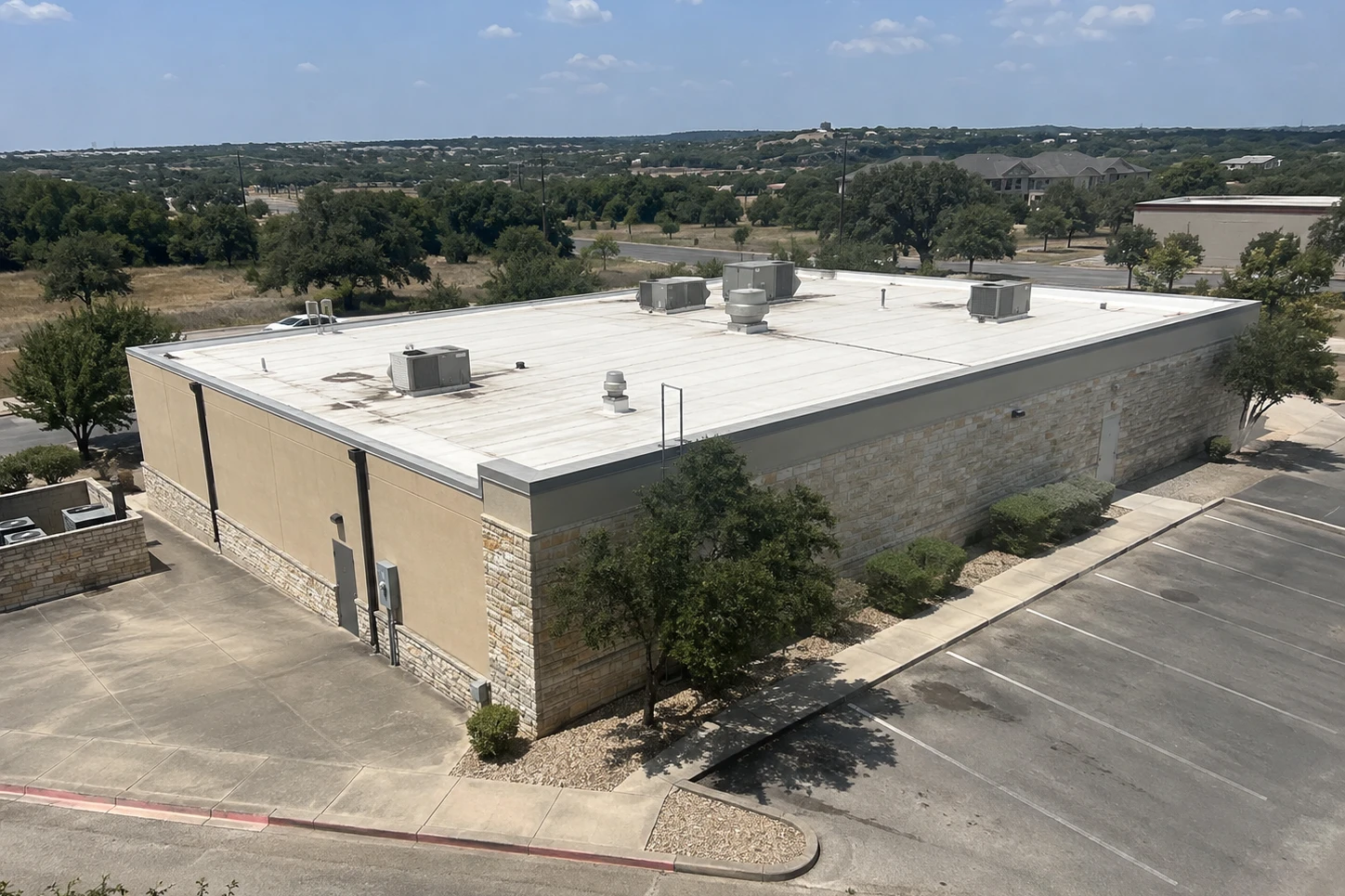
Quiet work and scheduled hours

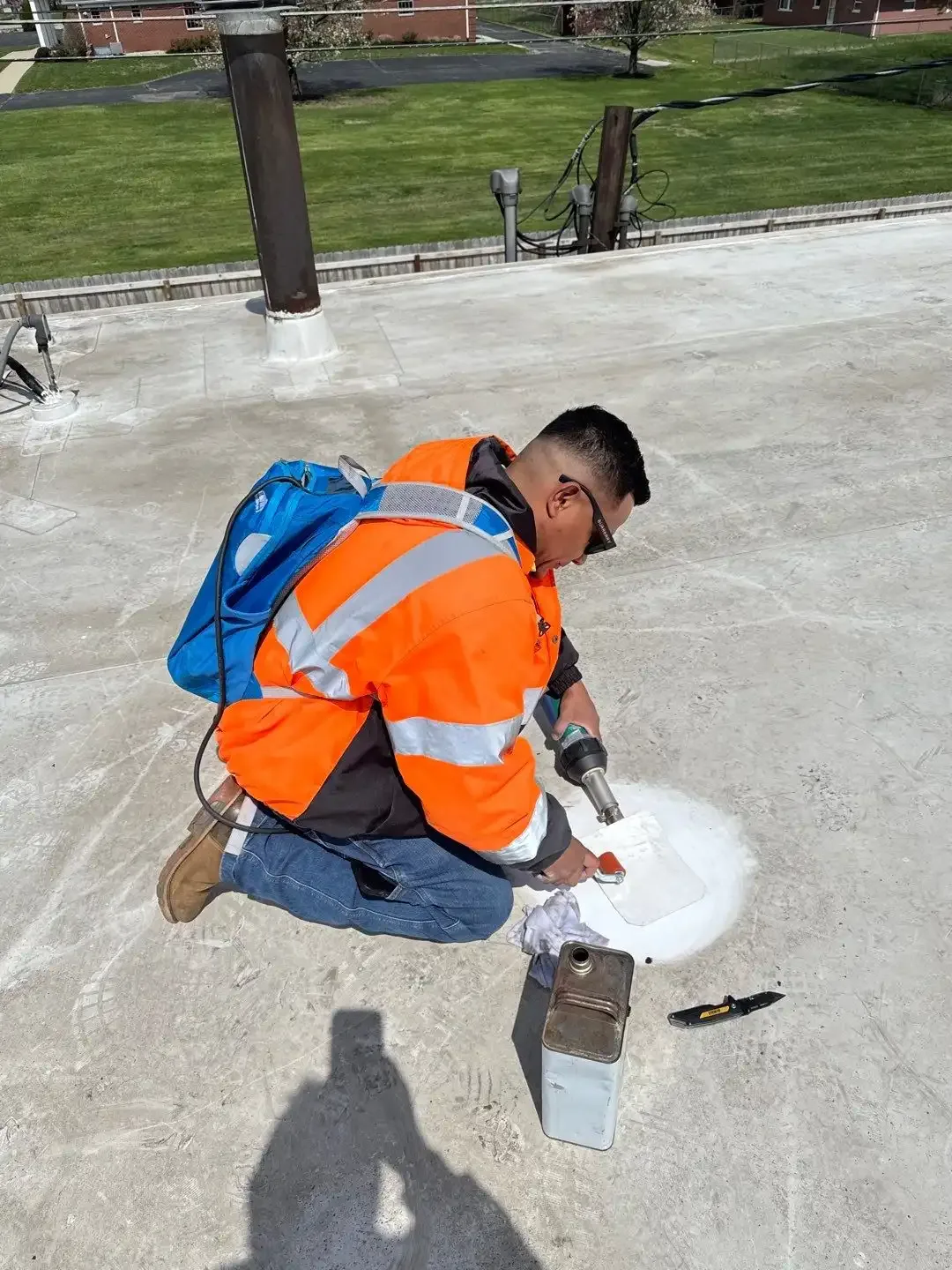
Roof work makes noise at two moments: tear-off and fastening. Both can be scheduled. We start mid-morning rather than at dawn, keep the loudest steps to a short block of the day and finish before the late afternoon. We tell neighbors and the building manager ahead of time, with the hours and the expected sounds. Cold-applied and heat-welded systems reduce odor and fumes compared with open-flame methods, which suits a place where windows are open in mild weather. For a small building, a repair or a coating can often be done in a day or two with a small crew, which keeps the disruption short.

Dust and debris deserve their own plan. Tear-off throws grit onto cars, patios and walkways, so we use covered chutes or hoists, set tarps below the work and sweep magnets over the lot for fasteners at the end of each day. Roof drains get plugged during tear-off so debris does not reach the pipes. At the end of the job, we walk the grounds with the manager and confirm that nothing was left behind.

Weather windows set the pace for a coating or a membrane job. We watch the forecast, work in sections that can be closed each afternoon and stop early if cells build. A short job is a quiet job, and starting only on a stable forecast keeps it short.

Woodcreek
Woodcreek

Safe access and clear walkways

Residents of all abilities pass near the work, so safety is part of the plan. We keep walkways open, mark the staging area with cones and fencing, keep ladders and cords off the paths and sweep daily. Lifts and hoists sit where they do not block parking spaces close to the door. Debris goes into a covered container, not onto the ground. For a building with an accessible entrance, we keep the entrance usable all day and schedule any short closures with the manager. A senior living roof gets the same care, with the added step of coordinating with the staff on resident schedules.

Communication keeps the work calm. A short notice goes to the manager with the start date, the expected hours, the areas that will be closed and a phone number for questions. On the day, the foreman checks in at the office, confirms the plan and tells the manager when the crew leaves. A small, steady routine is what makes a roof job feel minor to the people nearby.

The community-use building class

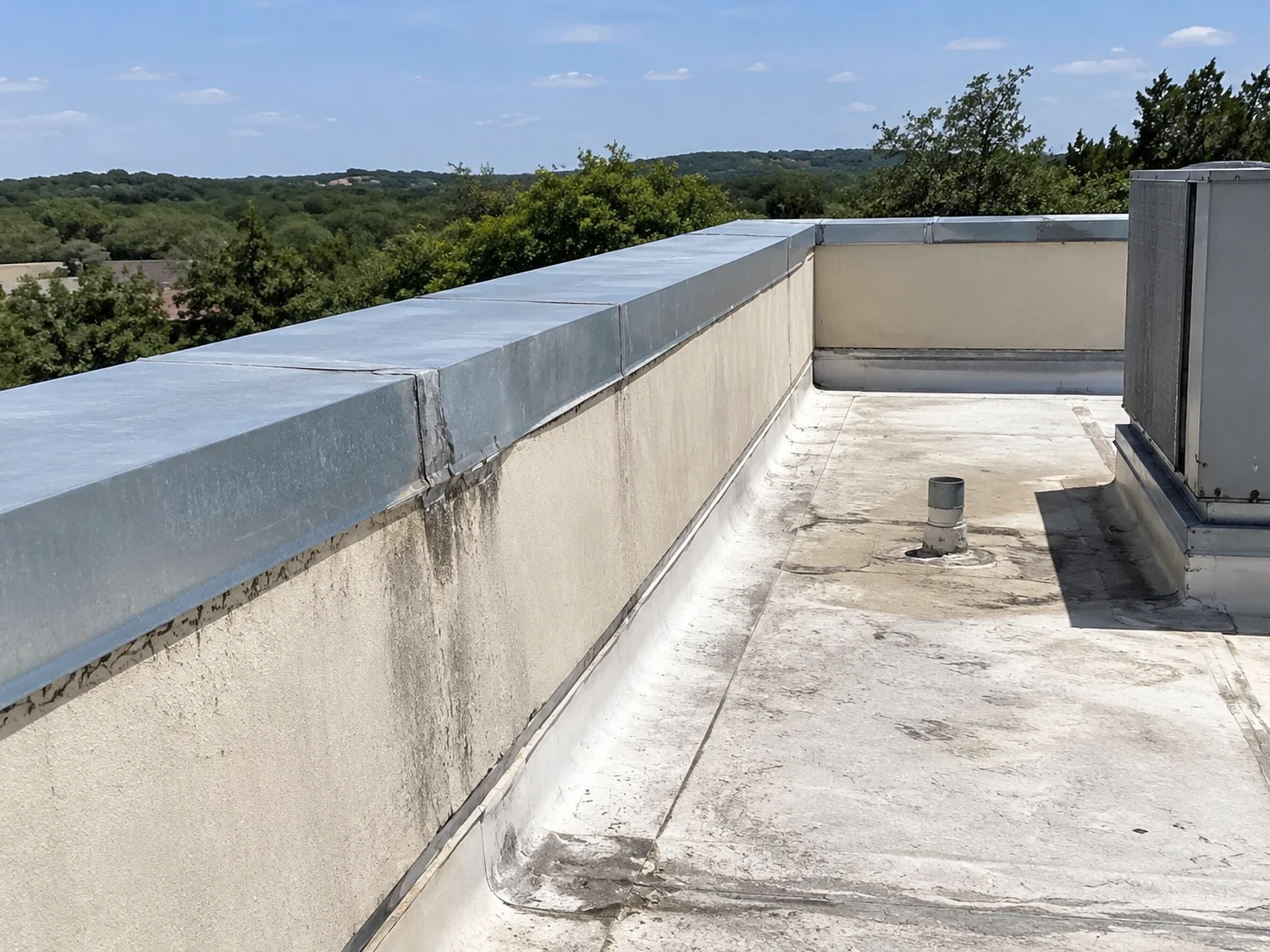
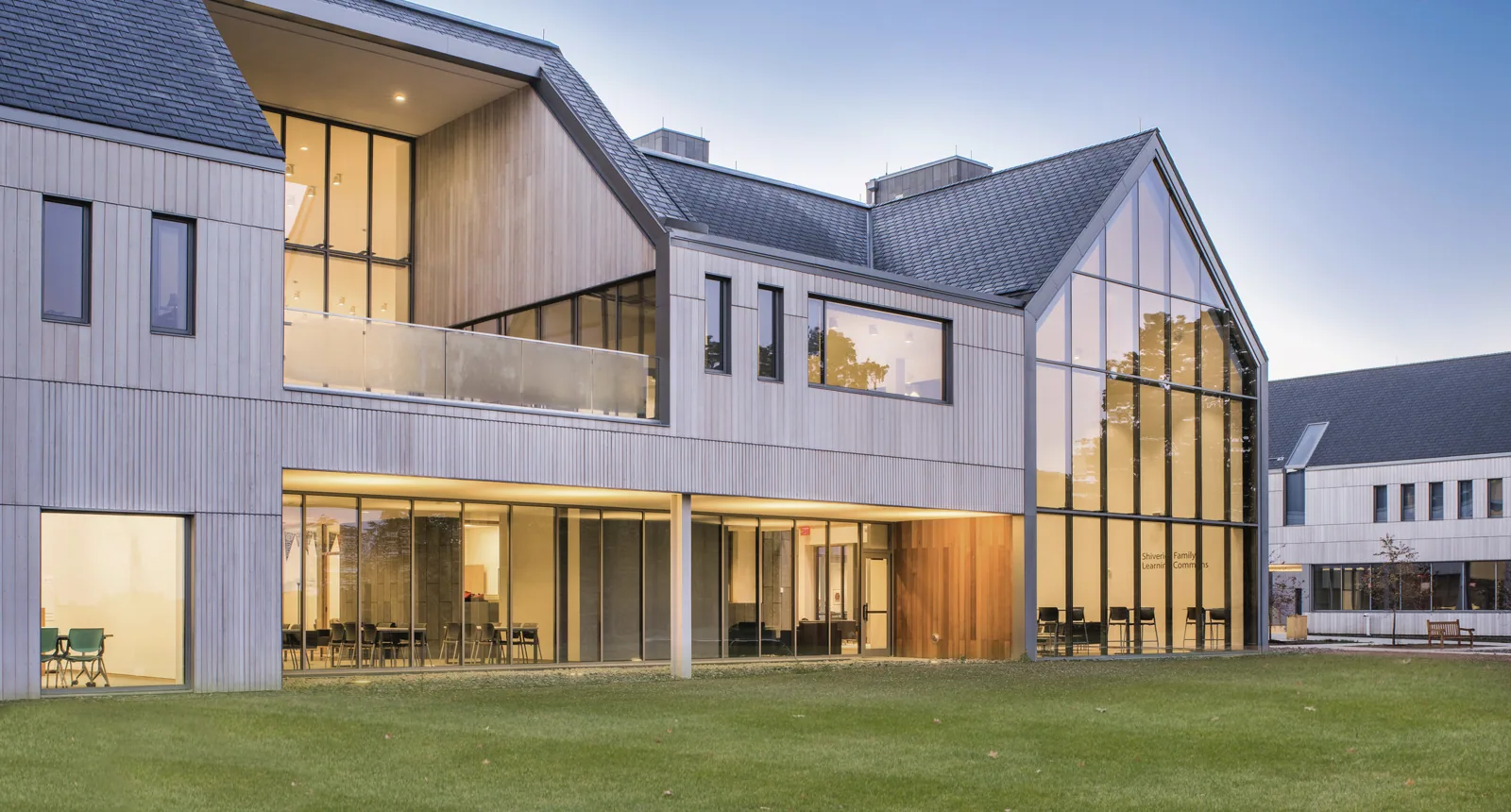
Small community buildings share a few roof traits. They are low and simple, often single-story with a modest roof area, and they carry a small number of rooftop units and vents. Many are used by volunteers or part-time staff, which means a leak can run for days unnoticed. We therefore recommend a yearly walk, a drain check and a look at the ceilings inside. The condition of any roof in Woodcreek comes from the walk, and the file records the grade, the date and the next return. Where a building serves events or classes, repairs are scheduled around the calendar to keep rooms usable.

Insulation and ceilings inside a small community building are also worth a look. A drop ceiling hides wet insulation well, and lifting one tile on the walk can show what the roof is doing. We photograph the space above the tile and record the finding with the roof findings, since the interior and the roof together tell the story.

School-class roofs nearby

Wimberley ISD runs the public schools that serve the community. A district roof follows a different calendar from a private one: summer windows, board approvals and bid rules. A school roof is scoped months ahead so the work finishes before students return. The roofs of a given campus are the district's to document. What we offer is a clear method of review for one: with drains first, then flashings at walls and curbs, then the field, and how to rank the work so the board sees one list. Small private buildings follow the same sequence on a smaller scale.

Woodcreek

Hail, heat and the regional record

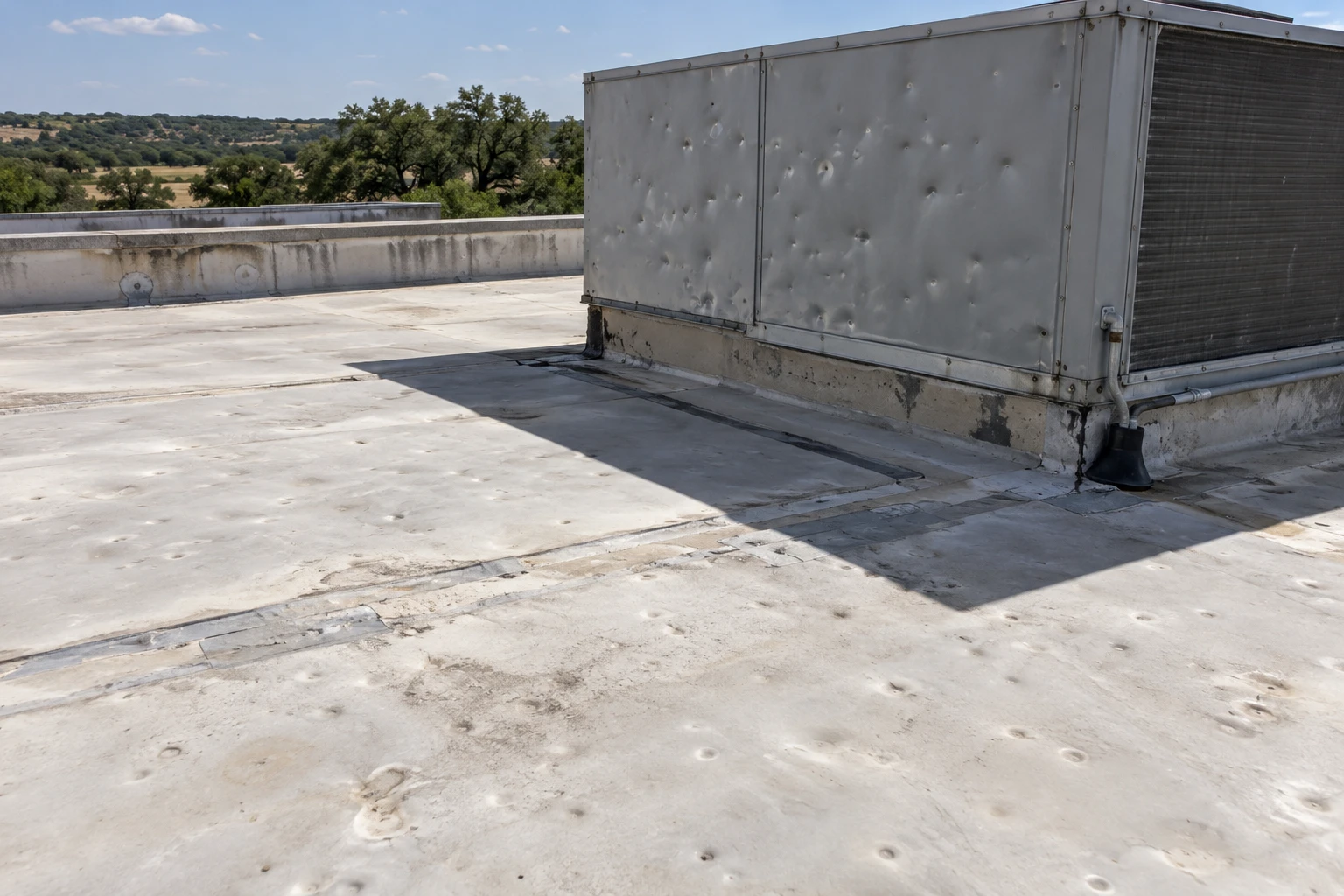
Hays County sits in hail country. The weather service recorded six-inch stones in Johnson City on May 9, 2024, and followed the storm into San Marcos. That shows nothing about a Woodcreek roof, but it explains why owners want a review after a storm. Counts of impact marks in test squares, dent checks on seam metal and a written summary follow. A hail damage repair record separates new damage from older wear, which helps with a claim. Austin's Camp Mabry station, with an August normal near 98 F, is the usual reference for summer heat in the area.

Trees are part of the setting. Limbs and leaves fall on a roof in a storm and sit in valleys and drains afterward. We clear them on the post-storm walk and check the membrane under the heaviest debris for punctures. A branch dragged across a roof can score a membrane in a way hail does not, and the score becomes a leak at the next rain.

Woodcreek

Repair, coat or replace, and the budget year

The options follow the condition. A roof with scattered defects and dry insulation needs repair. On a sound, dry roof with a worn surface, a roof coating avoids tear-off and keeps the disruption short. A roof with wet insulation or widespread failure needs replacement, phased as an occupied building reroofing if the building stays in use. Cost drivers for each path are area, access, deck condition and insulation. A preventive roof maintenance visit keeps the file current. Owners with property in Wimberley or Dripping Springs can book one route across several buildings.

A short yearly cycle suits a small community portfolio: a walk before spring storms, a drain clearing after leaf fall and a written grade after each visit. The file stays short, and the owner can see at a glance which roofs hold and which slip. When a roof is due, the plan, the scope and the schedule are ready, and the work is booked for a stretch that suits the residents.

Commercial Roofing Questions

How do you reduce noise during roof work?

We schedule the loud steps in a short block mid-morning, tell neighbors ahead and choose cold-applied or welded systems where odor is a concern. Small roofs often finish in a day or two.

How do you keep walkways safe for residents?

We fence the staging area, keep cords and ladders off paths, sweep daily and hold debris in a covered container. The main entrance stays usable.

Is a coating suitable for a small community building?

On a dry, attached roof, yes. It avoids tear-off and shortens the disruption. We scan for moisture and test adhesion first.

Who decides on school roof work?

The district sets scope, bids and approvals; the roof condition, photographs and cost drivers come from the walk, and the work is planned around the summer window.

What should I send to start?

Give the address, the roof type if you know it and photographs of any stains. A walk and a written report follow.

Send the Building Details and Quiet Hours

Send the building address, the roof type if known and the hours that need to stay quiet, and we will sort the roof into replace, repair and watch groups before the next budget year. Use the contact form.

Request a Roof Assessment

Related Roofing Work

ServicesRoof SystemsIndustriesProperty TypesService AreasRoof Damage RepairCapabilitiesManufacturersAboutContactRequest a Roof Assessment555-555-5555
Call555-555-5555