555-555-5555

Carlisle SynTec Roofing

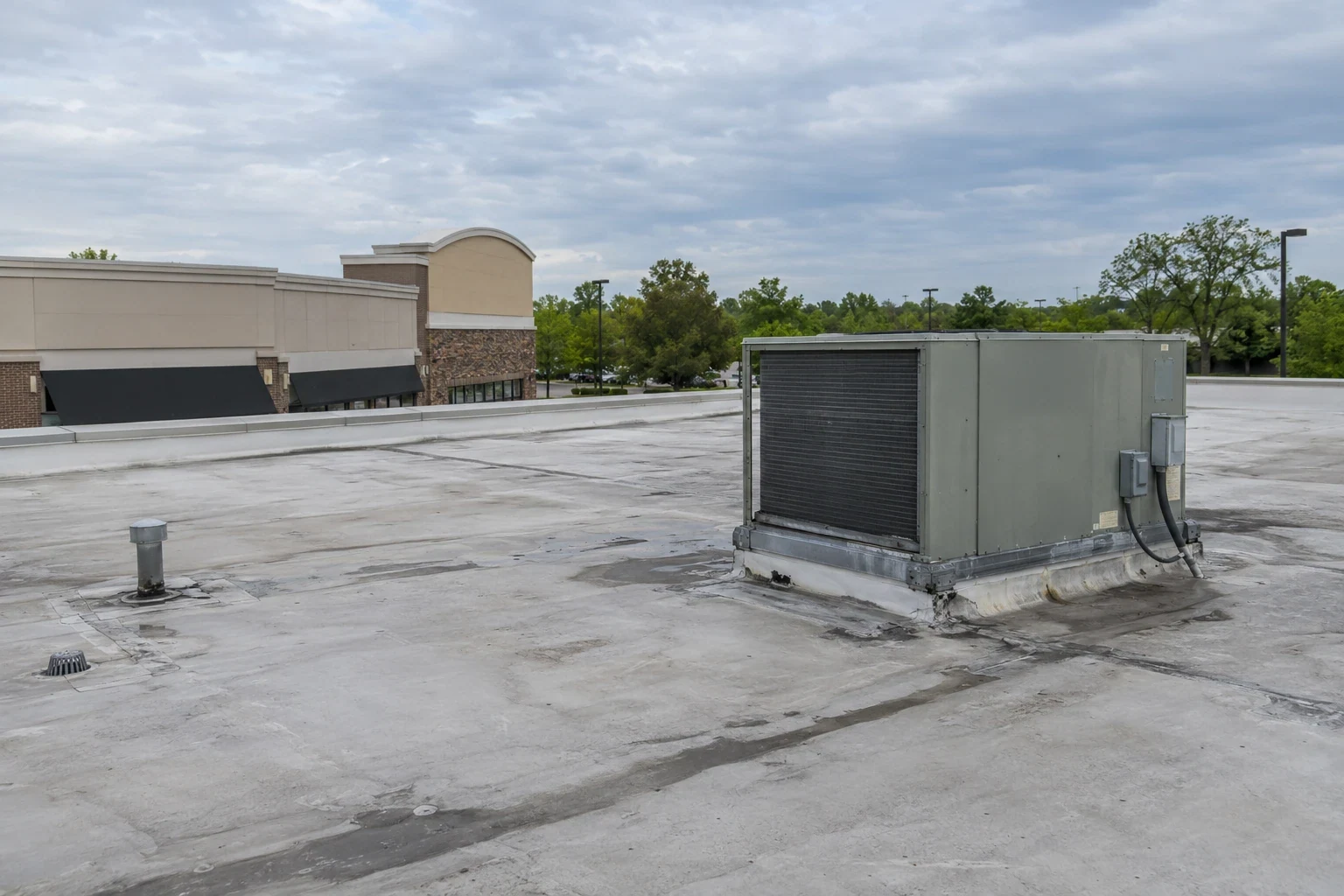
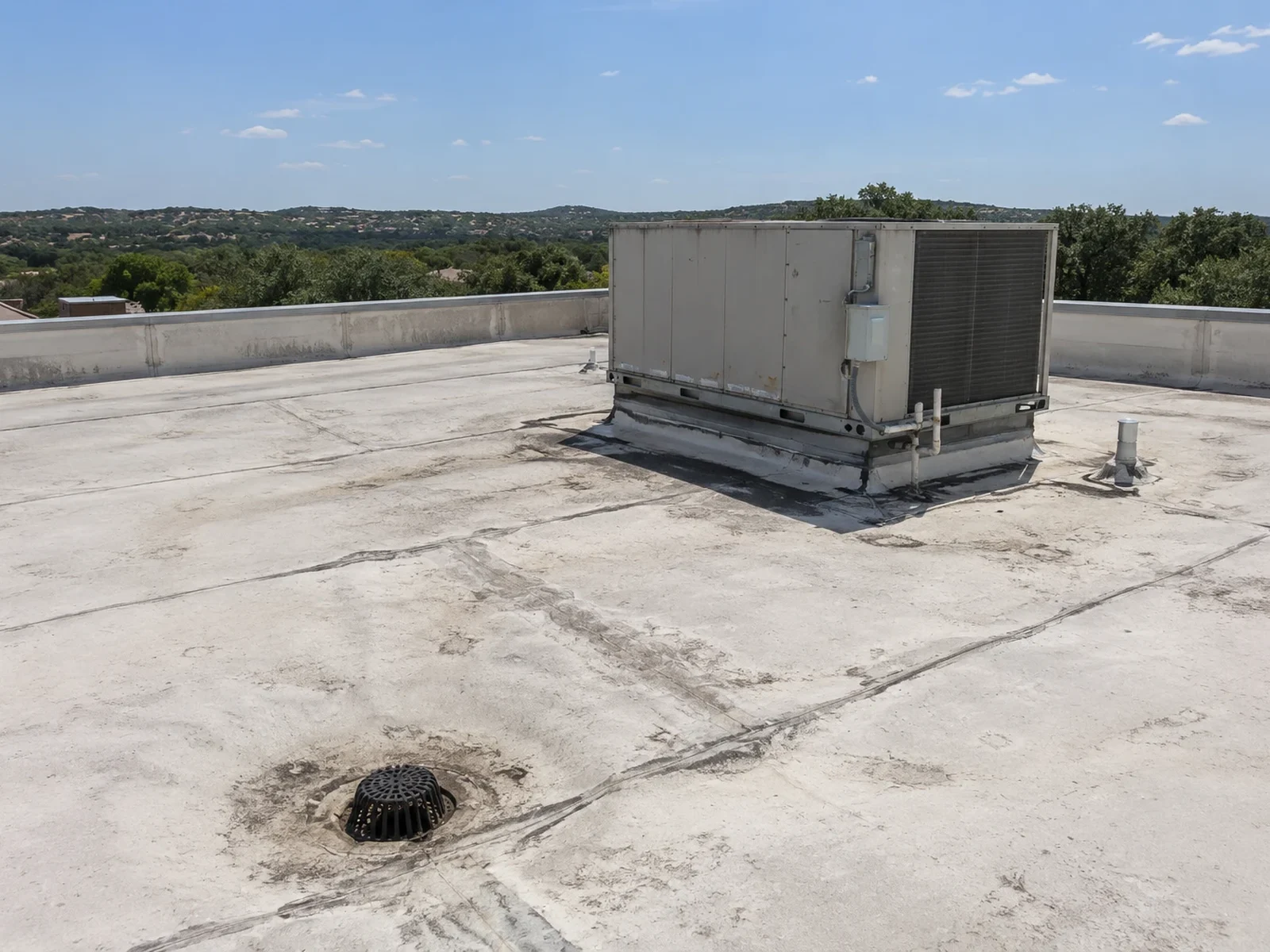
An outlet center is a roof with a lot of tenants under it, and every tenant leaves its mark above the ceiling. Vents, kitchen exhausts, condensing units and signage supports all pierce the membrane, and each one is a place where a single-ply roof can leak. The San Marcos outlet malls sit east of Interstate 35 and draw about 14 million visitors a year, which means the roofs over them see steady equipment work and steady pressure to keep the stores open. For a landlord holding a roof built with Carlisle SynTec single-ply products in San Marcos, TX, the question for the next budget year is how that kind of system ages under retail conditions and what upkeep keeps it dry.
The System Types

Carlisle SynTec is known for single-ply membranes, including thermoplastic polyolefin sheets sold under the Sure-Weld name and rubber-based EPDM sheets. Both are laid over insulation and a cover board or directly over a suitable deck, and both are available in fully adhered and mechanically attached versions.

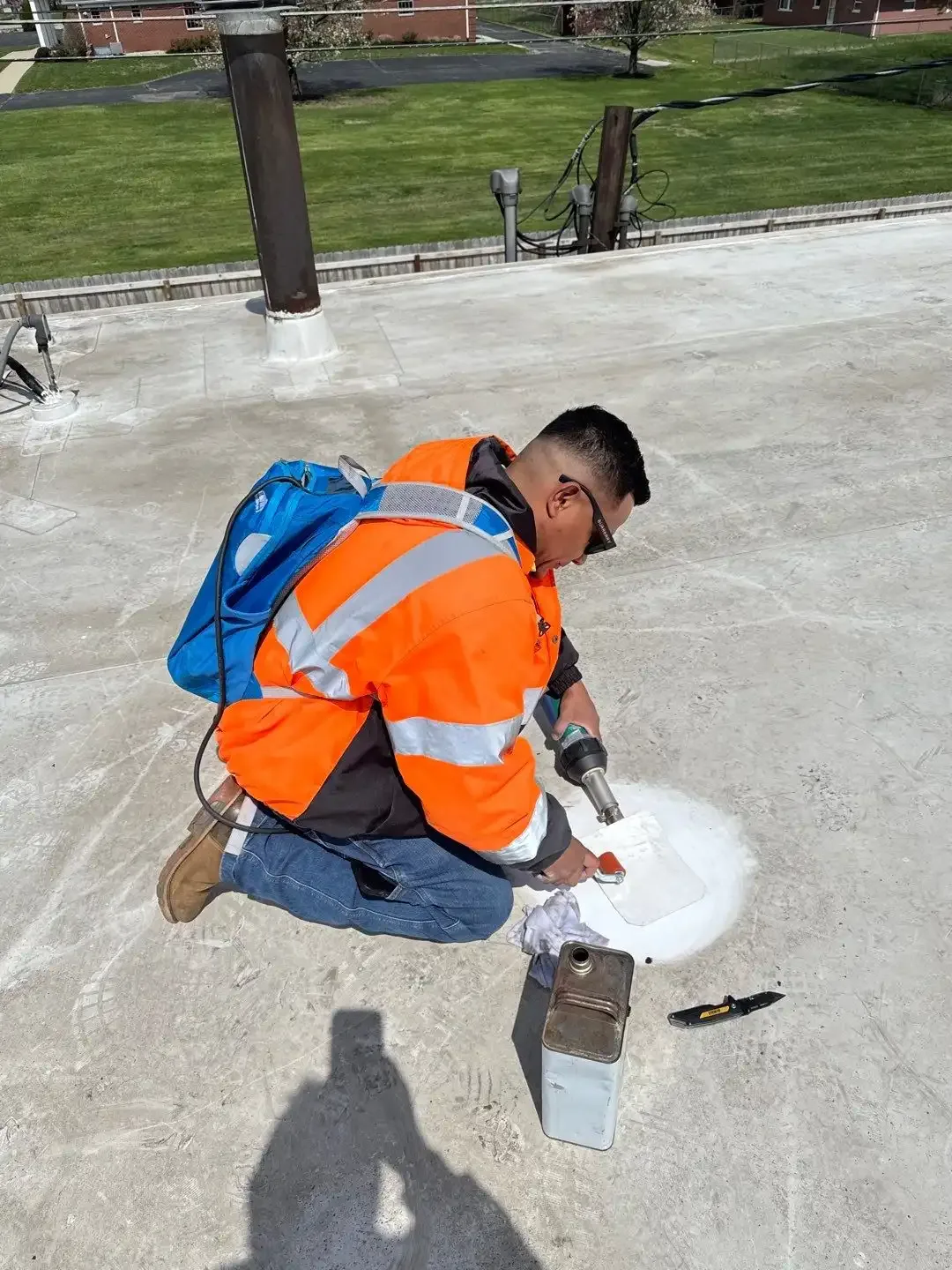
TPO seams are welded with hot air, which fuses two sheets into one. EPDM seams are usually joined with adhesive tape or liquid adhesive, and the membrane is more flexible in cold. Each type has its own weak points: a TPO seam can open at a cold weld, an EPDM seam can lift where tape was applied to a dirty surface, and both can tear at a flashing corner.

The cores tell us which system is on a roof and how it was attached. We do not guess from the surface, since a clean white sheet can sit on any of several assemblies.

Carlisle SynTec Roofing

Why Retail Roofs Wear Differently

A retail roof collects rooftop work with every lease. Tenants come and go. A new restaurant needs a grease exhaust, a new clothing store needs a heavier air handler, a departing tenant leaves a dead curb. San Marcos Premium Outlets employs about 1,600 people and Tanger Factory Outlets about 1,540, which gives a sense of the activity on the property.

Foot traffic on the roof is the quiet problem. Technicians cross the membrane to reach units, and a bare path wears thin. Walkway pads along the route cost little and protect the sheet. Condensate lines that end on the membrane leave streaks and holes, and a splash block or a drain extension solves them cheaply.

Our shopping center roofing work begins with a penetration map, so every tenant's work can be traced to a location and a date.

Leasing changes make the roof a moving target. A vacant suite is the best moment to inspect the roof above it, since access is easy and there is no tenant to disturb. We recommend a short walk at every turnover, with a photo of the curb and flashing before the next tenant's contractor starts.

A walk after every major tenant remodel keeps the penetration map honest and the flashing details matched to the sheet, and any new unit is added to the map the same day.

How We Install and Repair

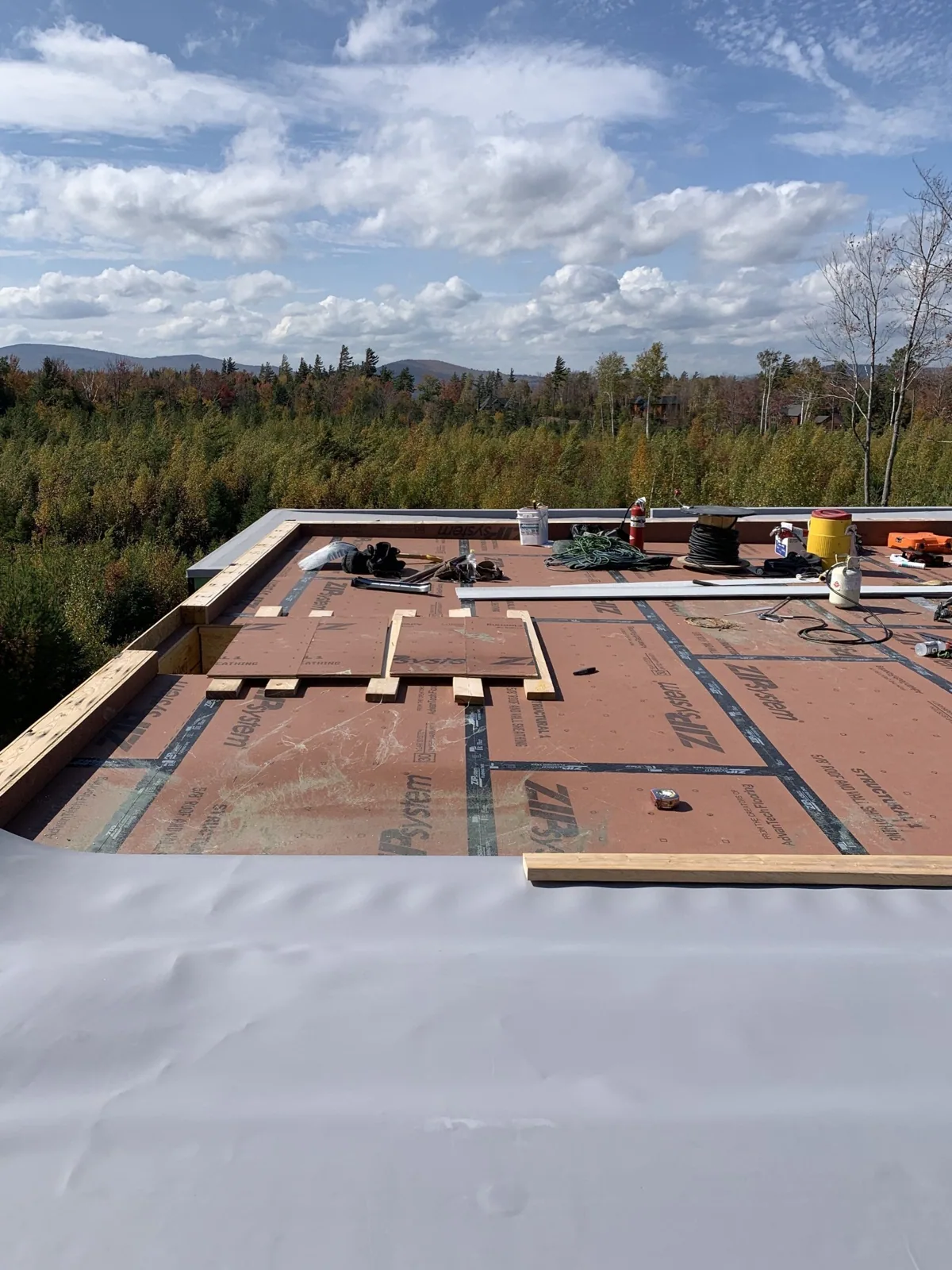
New installation follows the manufacturer's published details and the permit documents. We prepare the deck, lay insulation in staggered joints, install a cover board where the design calls for one, set the membrane and weld or tape the seams. Flashings are detailed at walls, curbs and penetrations, and each termination is secured and sealed.

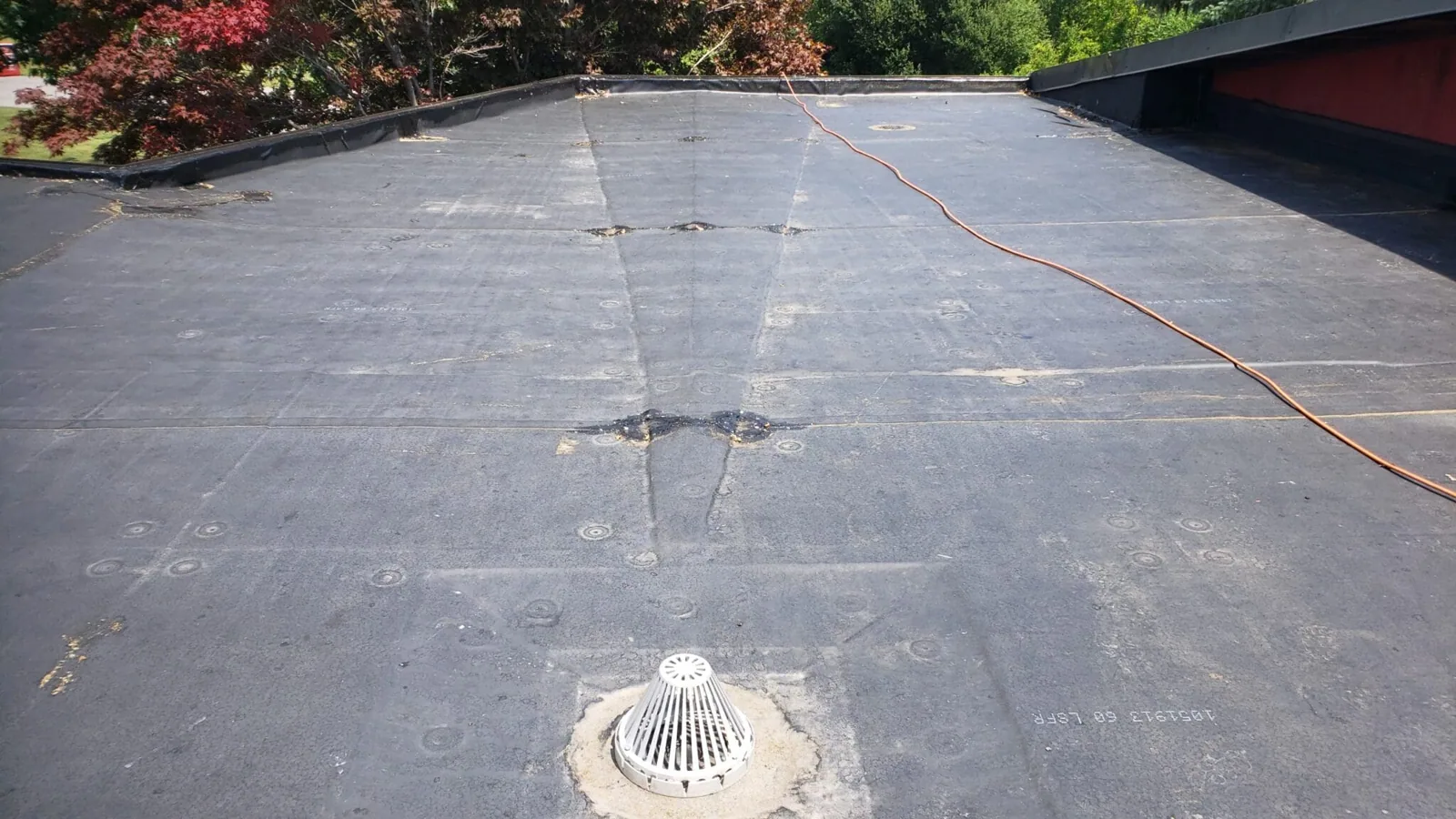
Repair starts with finding the cause. A seam that has opened is cleaned, and then welded again if the sheet is TPO or re-taped if it is EPDM. A split at a flashing corner gets a new corner piece. A tear gets a patch that overlaps sound material on every side. Wet insulation is cut out and replaced.

Each repair is photographed with a marker and logged on the roof plan. The next preventive visit then checks it first.

Weather windows control quality. TPO welds need dry surfaces and moderate temperatures, and adhesives for fully adhered sheets have application limits. We stop work when conditions fall outside them and protect open areas with temporary seals overnight. A roof laid in the right window lasts longer than one laid quickly.

Heat Ages the Sheet

Heat is the slow load, and August highs near 98 F at Camp Mabry in Austin set its scale. Heat ages membranes, dries sealants and drives thermal movement at seams and curbs. White TPO reflects much of it; dark EPDM absorbs more.

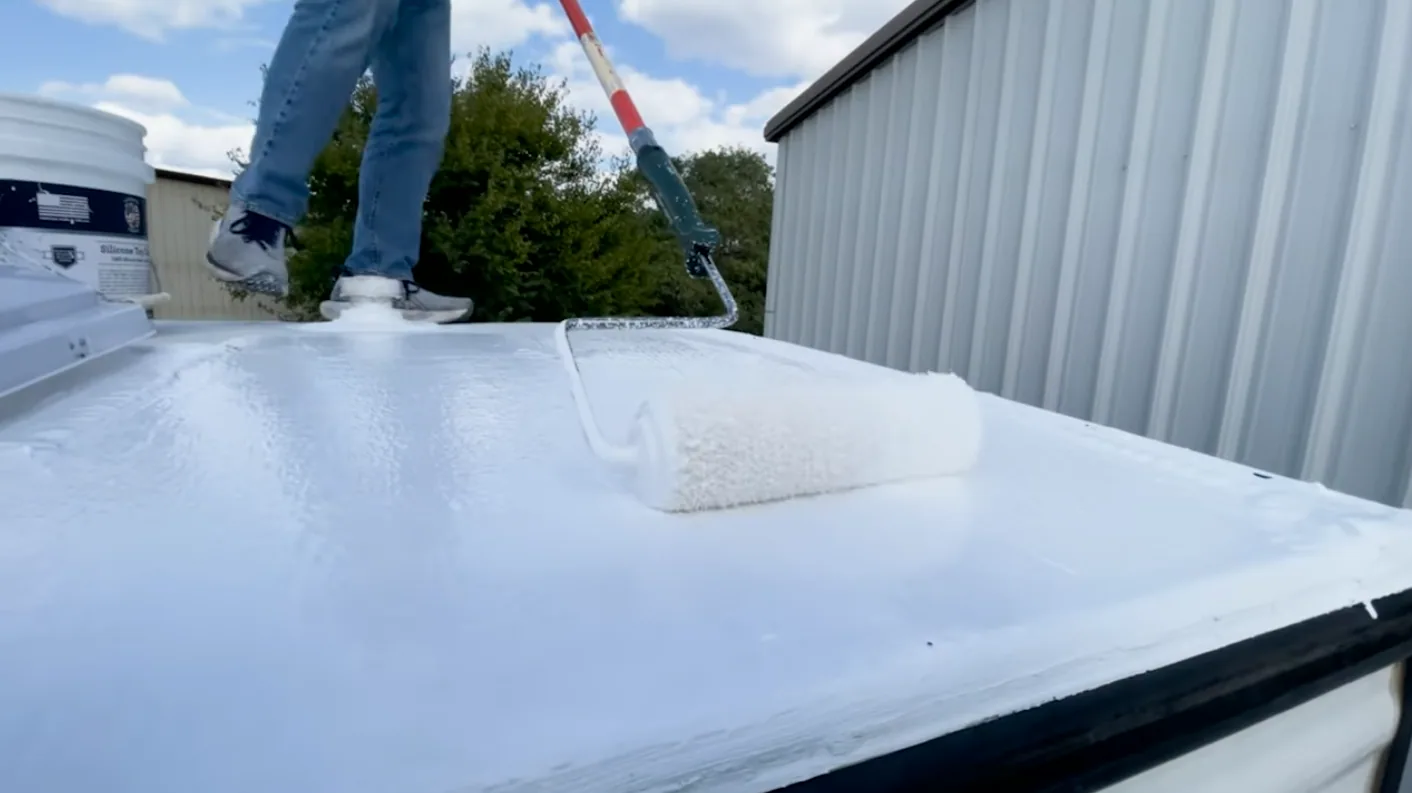
We look for the signs: chalked surface, crazing at flashing corners, shrinkage at the edge of EPDM and seams that have pulled apart at stress points. A reflective coating can extend the life of a sound membrane, and a coating restoration is one option we price next to replacement when the cores show dry insulation.

Ponding adds to the heat load. Standing water bakes the membrane and, over a hot afternoon, concentrates stress at the pond's edge. We check slope with a level and log each low spot, then look at the drains and scuppers that should be clearing it.

Carlisle SynTec Roofing

Hail and Impact

The weather service noted six-inch hail in Johnson City on May 9, 2024, and the storm's next stop was San Marcos. Hail of that size can puncture or bruise a single-ply sheet, and EPDM and TPO respond differently. A scan after a storm finds wet insulation, and cores confirm the bruising.

We record what we find, whether or not it supports a claim, because a roof that shows no damage is also information. Dense cover boards under a membrane improve impact resistance, and they are worth pricing at the next replacement.

Carlisle SynTec Roofing

Warranty and Records

Manufacturer warranties come with conditions, and the manufacturer decides coverage. We help the owner keep the roof inside them: a penetration log, maintenance entries, photographs and prompt notice of leaks. That file is the core of roof warranty management. We compare Carlisle SynTec roofs against those from GAF and Duro-Last only on measured condition, not on brand.

For centers along the San Marcos I-35 outlet and retail corridor, a single file can hold every roof, with the same format for each. Local adoption of the 2021 International Building Code took effect April 1, 2023, with the energy code alongside.

A last step helps the next budget year. After each season we update the roof file with what was found, what was fixed and what remains open. The facility director sees one page for each roof and knows which ones need money next.

Commercial Roofing Questions

Is TPO or EPDM better for a retail roof?

Equipment load, heat and the existing roof all matter. TPO reflects heat and welds at the seams; EPDM stays flexible and is simple to repair. The cores and the budget settle the choice.

Who is responsible for a tenant's rooftop work?

The lease assigns it. Every penetration should still be logged and flashed to the manufacturer's detail, since a poorly flashed curb can affect the whole warranty.

How do I find out whether my roof has Sure-Weld or another sheet?

Cut a core. The layers and the sheet show what is on the roof. Labels and paperwork help, but the core settles it.

Can a coating extend a TPO roof?

Often, if the insulation is dry and the seams are sound. A coating seals small flaws and lowers surface heat. It cannot dry wet board.

When is replacement better than repair?

Once wet insulation covers much of the field or seams fail in many spots, repair after repair costs more than a new system across several years.

Send the Center List and Tenant Roof Notes

Share the addresses, roof ages and any prior reports, and we will sort the roofs into replace, repair and watch groups before your next budget year.

Request a Roof Assessment

Related Roofing Work

ServicesRoof SystemsIndustriesProperty TypesService AreasRoof Damage RepairCapabilitiesManufacturersAboutContactRequest a Roof Assessment555-555-5555
Call555-555-5555