555-555-5555

Duro-Last Roofing

A retail strip is a long, thin roof with a store under every few feet, and the owner's problem is not the membrane but the schedule. Every day the roof is open is a day a tenant risks a wet ceiling, and every new fastener hole is a place a seam can start. I-35 retail, including a Cabela's store, has lifted sales tax revenue in Buda, and Dripping Springs has an H-E-B and a Home Depot near the US 290 and RR 12 junction. A facility director or landlord in San Marcos, TX who holds a strip-center roof from Duro-Last, a maker of prefabricated PVC membranes, needs to know how that kind of roof ages, how it is repaired and what to put in the next budget year.

What Prefabricated Means

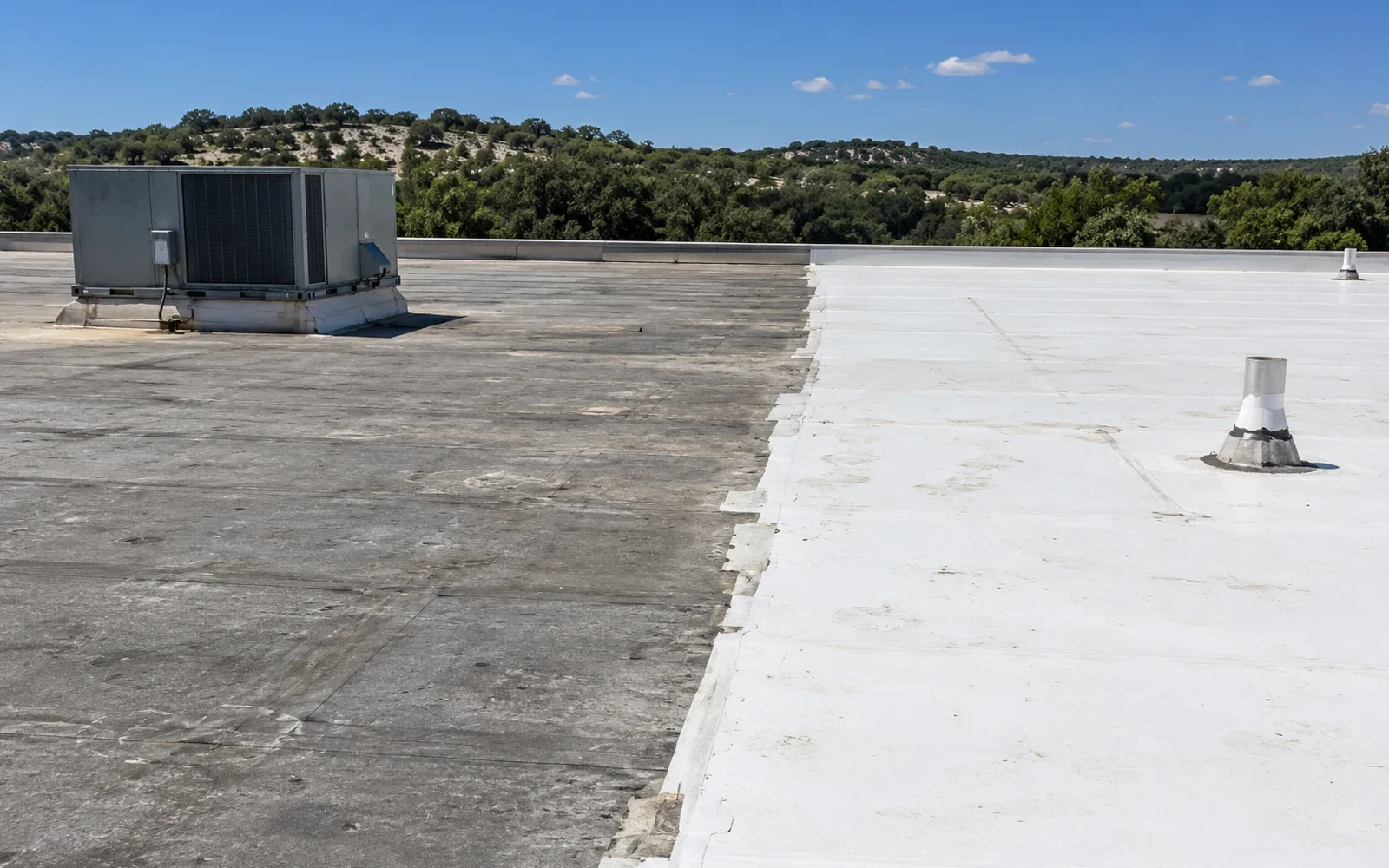
Duro-Last is known for PVC membranes that are cut and welded in a factory to fit the measured dimensions of a roof, then shipped in rolls to the site. Corners, pipe boots, curb wraps and edge pieces arrive as shop-made parts. Fewer seams are made in the field, and the field seams are welded with hot air and tested.

That approach has a plain consequence for installation: the roof goes on fast. A measured set of drawings turns into a ready-to-lay membrane. The sheet is attached by mechanical fasteners and plates, or adhered over a suitable surface, and it is detailed at every wall and penetration.

It also has a consequence for repair. A shop-made part has a specific shape, and a patch or replacement must match it. We cut cores and photograph the layers, so we know the membrane, the attachment and the insulation under it before we choose a method.

Measurement quality sets the fit. A prefabricated sheet is only as good as the drawings behind it, so a crew measures every wall, curb and drain and checks the numbers twice. An error of a few inches at a corner can make a shop-made piece pull at the seam. We take photographs of each corner and each penetration with a tape in frame, so the shop and the crew read the same details.

Duro-Last Roofing
Duro-Last Roofing

Why Strips Need Their Own Plan

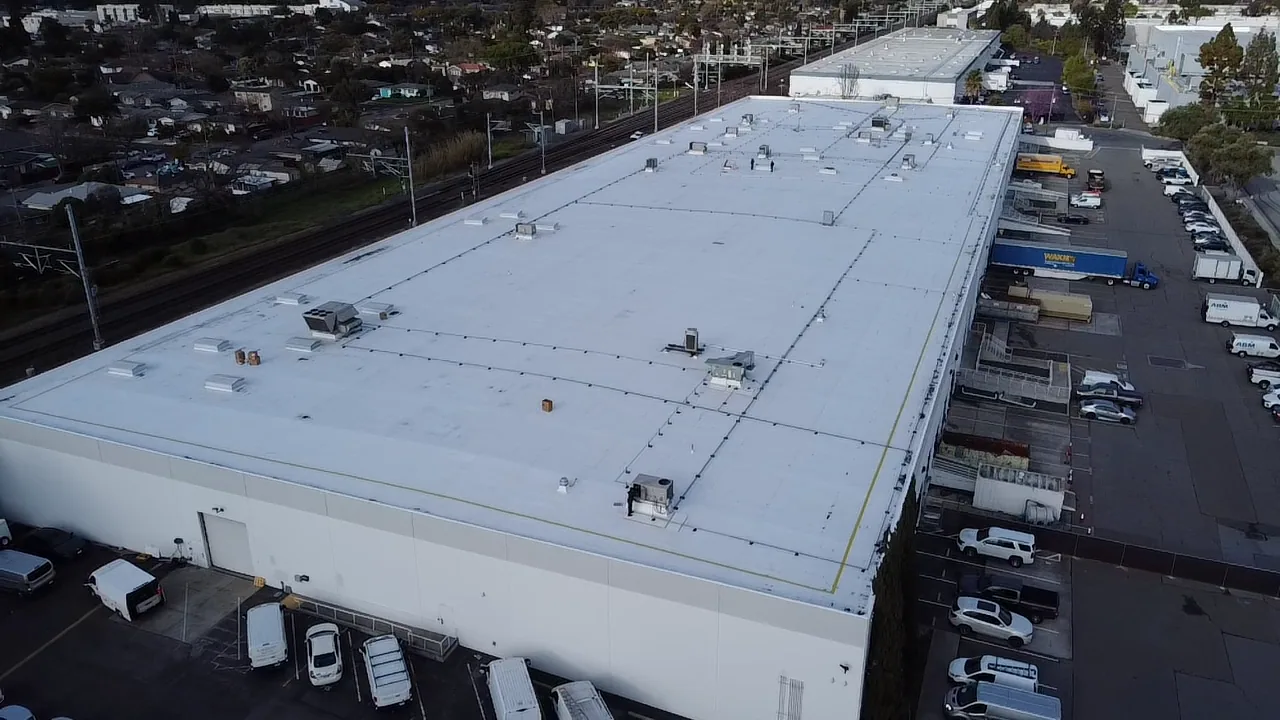
A strip center shares one roof across many tenants. Each tenant's unit, vent or sign is a cut in the sheet, and the cuts accumulate. Water that enters at one cut can travel under the membrane to a bay far from the entry. The lease sets who pays, but the roof sets where the water goes.

We begin with a penetration map and a stain map. We compare the two to find the entry points, and we check each curb, boot and flashing along the likely paths. A moisture scan from above narrows the search before we cut.

Our shopping center roofing work adds a short walk at every tenant turnover, with a photograph of the curb and flashing before the next contractor starts.

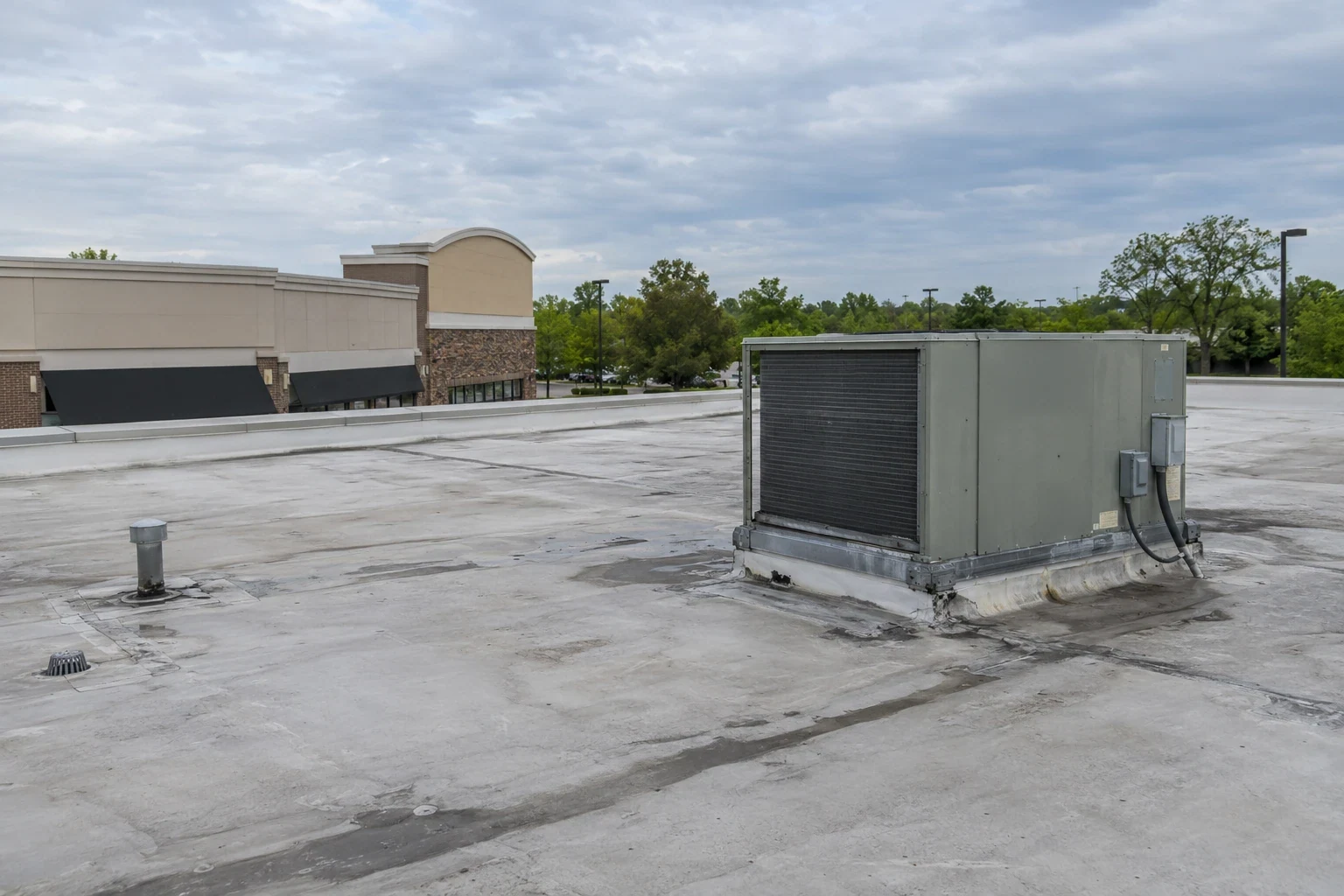
Drainage on a long, narrow roof deserves its own review. Water runs toward scuppers on the back wall or interior drains, and any dip holds a pond. We measure slope with a level, log each low spot and check overflow scuppers for debris. A pond that sits two days wears the sheet faster and adds weight to the deck.

Working Above Open Stores

The roof goes on while the stores stay open. Noise, dust and falling debris need a plan. We stage materials away from entrances, protect the sidewalk and agree on quiet hours with tenants. Interior protection goes up above sensitive areas, and the work is sequenced in bays so no section sits open overnight.

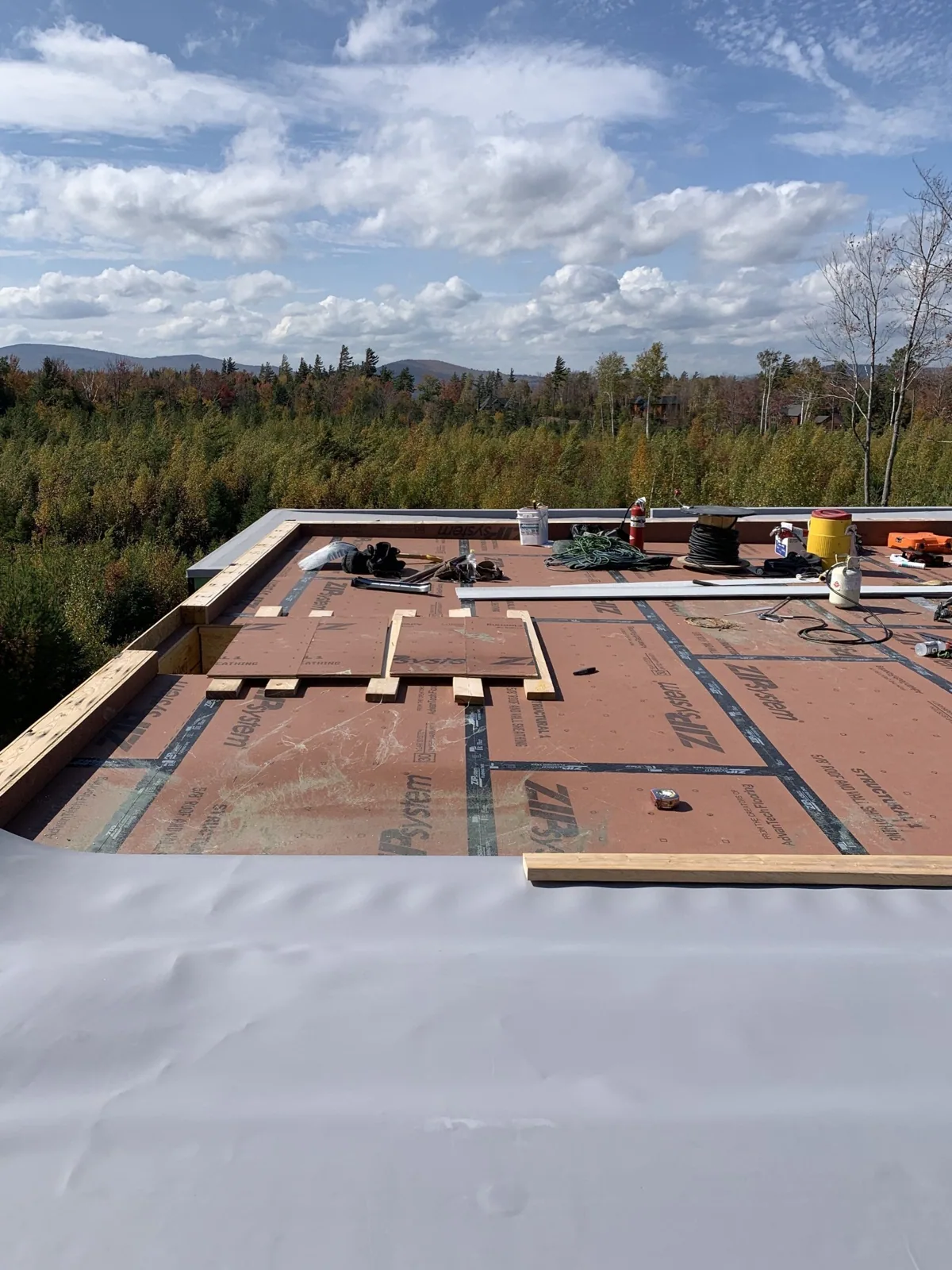
Prefabrication shortens the exposure. Large sections of membrane go down at once, and field welding covers less distance than on a roll-by-roll install. The fewer hours a roof is open, the fewer chances for weather to find the gap.

Any occupied building reroofing job needs hold points agreed with the property manager before work begins, so tenants know what to expect each day.

Weather windows control the pace. Welds need dry surfaces and moderate temperatures, and a rushed weld on a damp morning is the one that fails in spring. We hold work when conditions are marginal and cover any open bay with a temporary seal at day's end.

How We Repair and Maintain

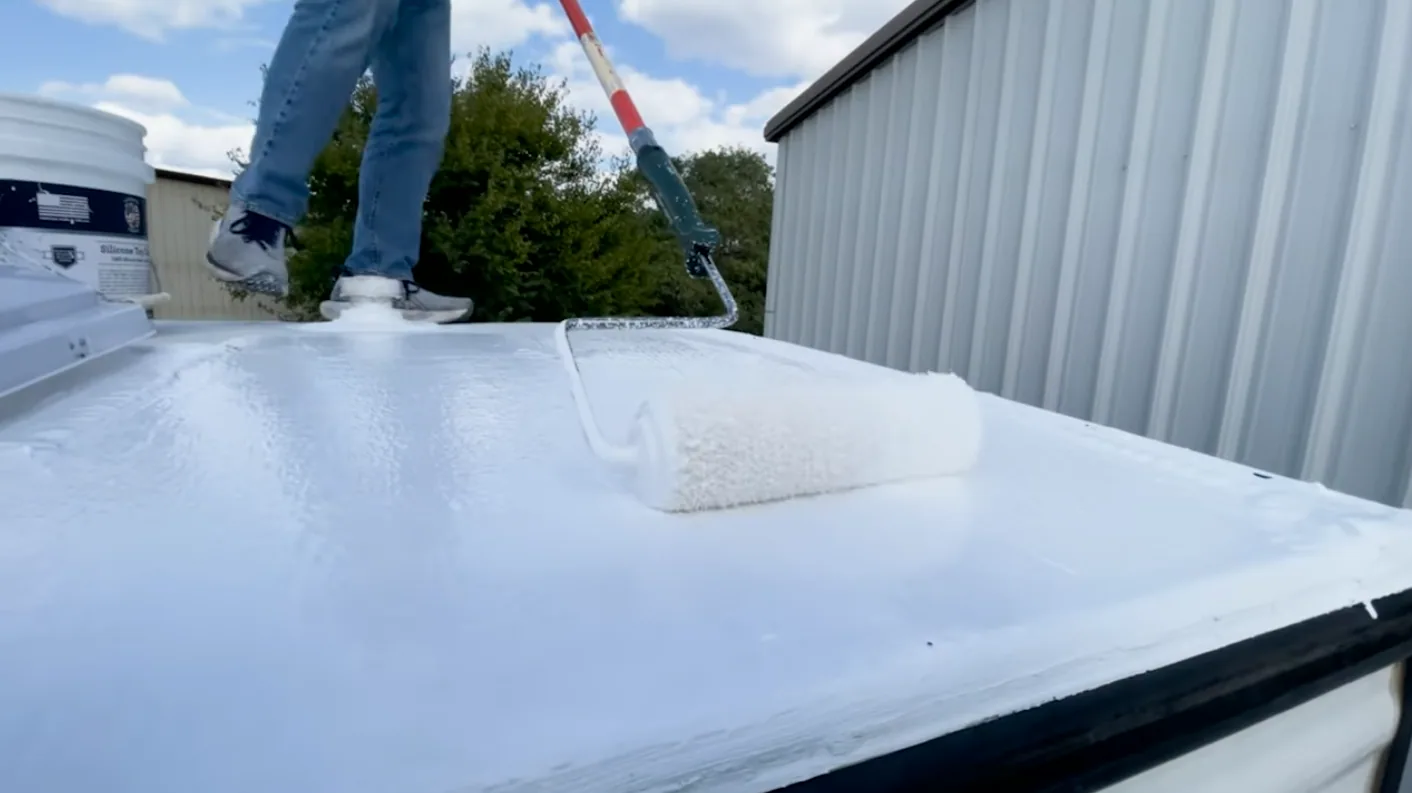
We follow the installation details in the manufacturer's published specifications and the permit documents. For repair, we clean the area, weld a patch with rounded corners that overlaps sound material on every side and probe the weld along its length. A failed boot gets a new boot welded in place. A worn walkway gets new pads.

Where the existing sheet is fully adhered and a section is wet, we cut out the wet insulation and replace it with matching board, then weld a new membrane section into the old one. Each repair is photographed and logged.

Maintenance is simple and steady. We clear drains and scuppers, check seams and flashings, remove debris and look at every penetration. Two visits a year, plus a storm visit, keeps small faults small.

Records close each repair. The photograph, the plan location and the date go into the roof file, so the next visit can find the patch and check it. A facility director can then see how many repairs a roof has needed over a year, which helps decide when repair stops making sense.

Duro-Last Roofing

Heat and Hail on a Thin Strip Roof

With August highs near 98 F at Camp Mabry in Austin, white PVC reflects much of it, which eases thermal movement at seams and curbs. The first signs of age appear at flashing corners and around equipment.

Johnson City saw hail of up to six inches on May 9, 2024, and San Marcos felt the same storm after it. Following such an event the roof gets a moisture scan, cores wherever the scan flags and photographs of every finding. The hail damage repair record shows which bays were affected.

Foot traffic adds to the load. Service technicians cross the sheet to reach rooftop units, and some warranties limit unprotected traffic. Walkway pads along the route protect the membrane, and the file notes the date they went in.

Duro-Last Roofing

Warranty, Records and Code

Manufacturer warranties carry conditions, and the manufacturer decides coverage. A penetration log and maintenance record keep a roof within them, which is the work of roof warranty management. A roof from Sika Sarnafil or Versico goes in the same file.

San Marcos permits roof work against the 2021 International Building Code and 2021 International Energy Conservation Code. Retail owners in Buda and along the I-35 corridor can keep every center in one file.

Commercial Roofing Questions

What does prefabricated mean for my roof?

The membrane is cut and welded in a factory to the measured roof, so fewer seams are made on site. Installation is faster, and parts like corners and boots arrive ready.

Can a shop-made part be repaired in the field?

Yes, with a patch welded to sound material. If the part itself is damaged, a replacement part can be welded in.

How do I find the entry point of a leak in a strip center?

Compare a stain map with a penetration map, then scan the roof. The stain is rarely under the entry.

Will tenants lose business during a reroof?

Not if the work is planned in bays with interior protection and quiet hours. Entrances stay open.

How often should drains on a strip roof be cleared?

At least twice a year, and after storms. Clogged drains hold water for days and wear the sheet.

Send the Center List and Tenant Roster

Share the addresses, roof ages and any prior reports, and we will sort the roofs into replace, repair and watch groups before your next budget year.

Request a Roof Assessment

Related Roofing Work

ServicesRoof SystemsIndustriesProperty TypesService AreasRoof Damage RepairCapabilitiesManufacturersAboutContactRequest a Roof Assessment555-555-5555
Call555-555-5555