555-555-5555

Versico Roofing Systems

A flex-industrial building changes tenants more often than its roof changes membrane, and each new tenant wants something cut through the deck: a vent, a dust collector, a larger rooftop unit. Buda alone shows the pattern, with a flex-industrial project of eight buildings at Onion Creek Trade Center and five speculative warehouses planned at Buda Gateway. For a facility director or investor in San Marcos, TX or nearby who holds roofs of that type, the question is how a single-ply system from a maker like Versico ages under steady tenant changes and what the next budget year should include.

The Systems in Plain Terms

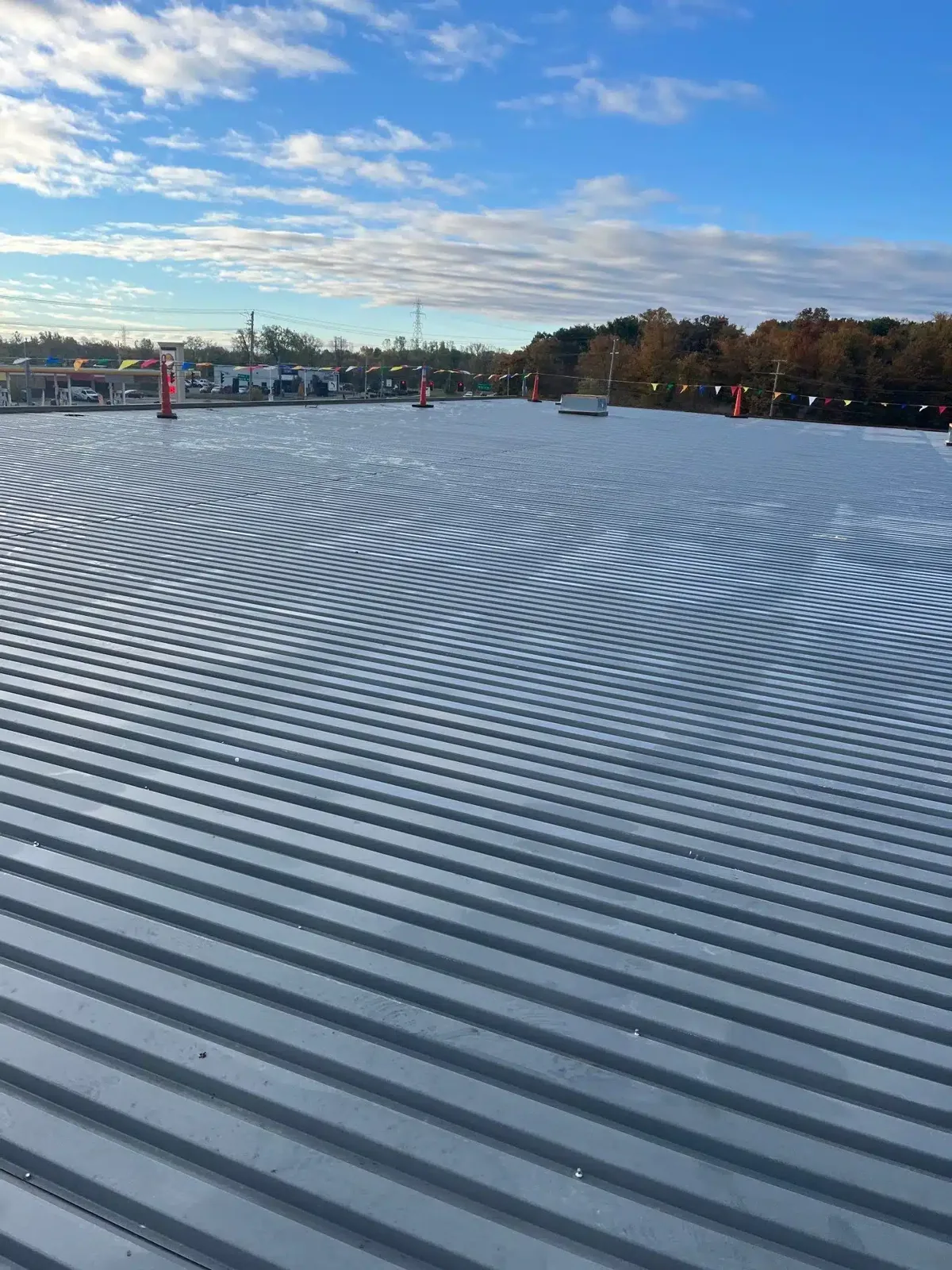
Versico is a single-ply roofing brand, and its lines cover the usual families: thermoplastic TPO, rubber-based EPDM and welded PVC. Each is installed over insulation and sometimes a cover board, fully adhered or mechanically attached, with flashings detailed at every wall, curb and drain.

The families differ in how they join and how they wear. Thermoplastic sheets weld at the seams. EPDM seams are taped or glued. PVC resists many chemicals but needs clean surfaces for welding. A roof of any of these can look alike from the lot, and the cores tell us which is.

We cut cores at the start of a job, since the right repair depends on the sheet, the attachment and the insulation beneath it.

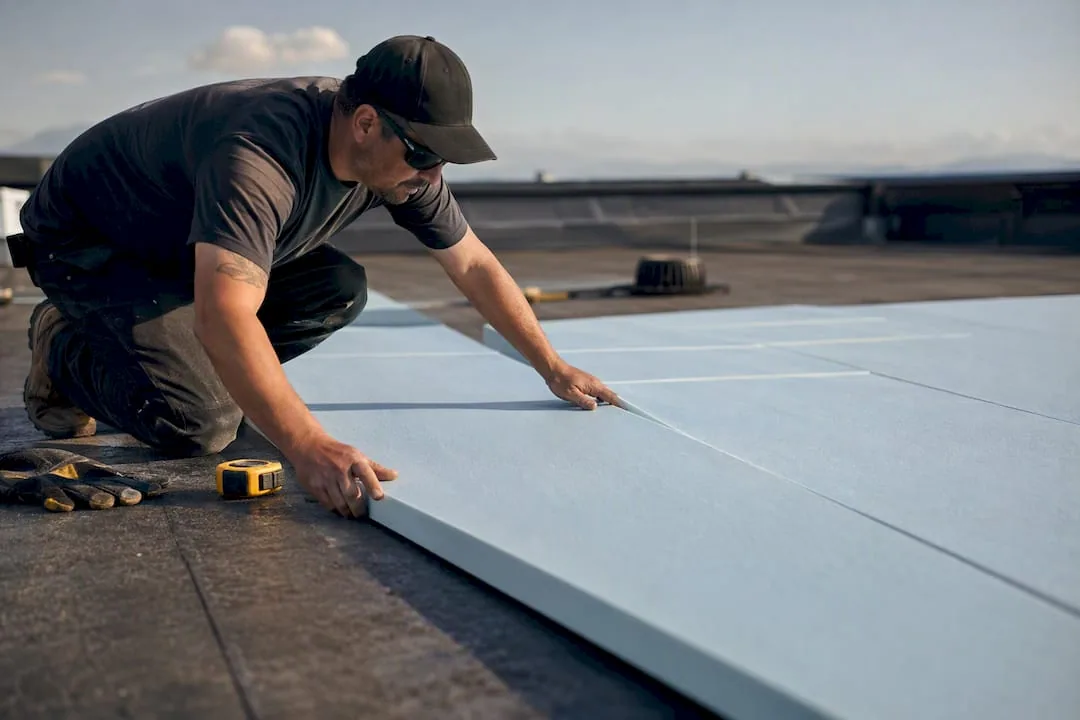
Insulation and cover board complete the assembly. Polyisocyanurate boards carry most of the thermal value in a low-slope roof, and a dense cover board over them takes foot traffic and hail better than a bare board. Both lose value if they get wet, which is why moisture tests come before any scope.

Versico Roofing Systems

Tenant Turnover and the Roof

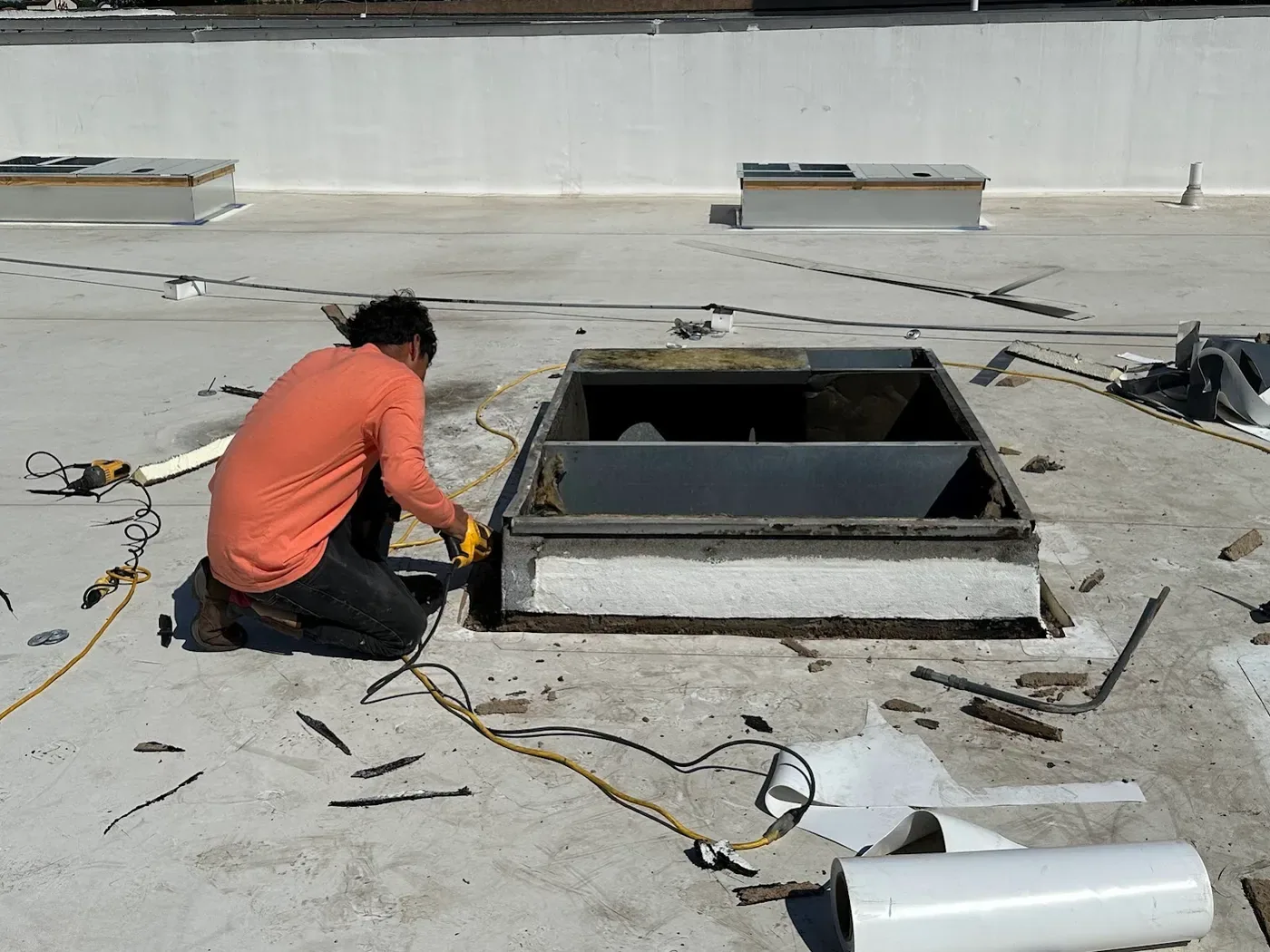
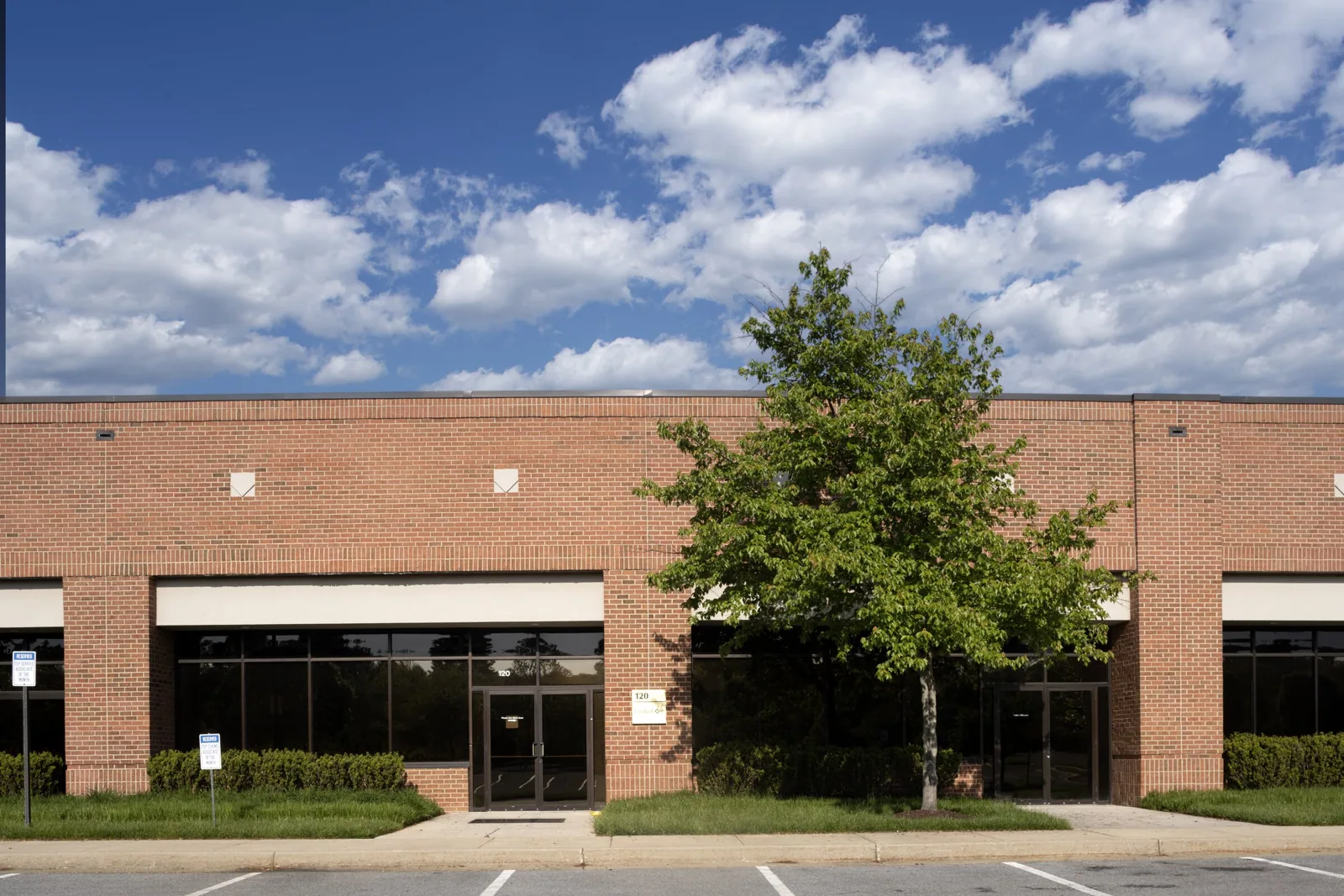
Flex-industrial and speculative buildings are often leased in bays. Each bay may have its own rooftop unit, vent or exhaust, and each addition is a cut in the membrane. When a tenant leaves, the unit often stays or goes, and the curb gets patched or capped. Mismatched curbs leak at the corners.

We keep a penetration map for every building, with a date and a contractor for each cut. At turnover, we recommend a short walk of the roof above the vacated bay, a photograph of the curb and flashing and a review of the next tenant's plans before their contractor starts. These steps cost little and protect the roof from the quiet damage that tenant work causes.

Our flex-industrial roofing work uses this routine for every bay in the building.

Dust collectors and process exhaust are the heavier additions. They load the deck at a point, push heat and fines onto the membrane near the outlet and need a larger curb. We check the deck beneath the new unit for deflection and rust, and we flash the curb with sheet material that matches the roof.

Inspection of new tenant work should happen while the crew is still on site. A same-day look at a new curb, a boot or a sleeve catches a missing sealant bead or a mis-lapped sheet when the fix takes minutes, and the photograph goes straight into the penetration map with the date and the contractor's name. We also keep a short list of approved details for the owner to hand to tenant contractors, so the first conversation about the roof happens before the first cut is made, not after the first leak. Over a year, the habit cuts the number of unexplained penetrations and makes lease-end restoration simpler to scope.

How We Install and Repair

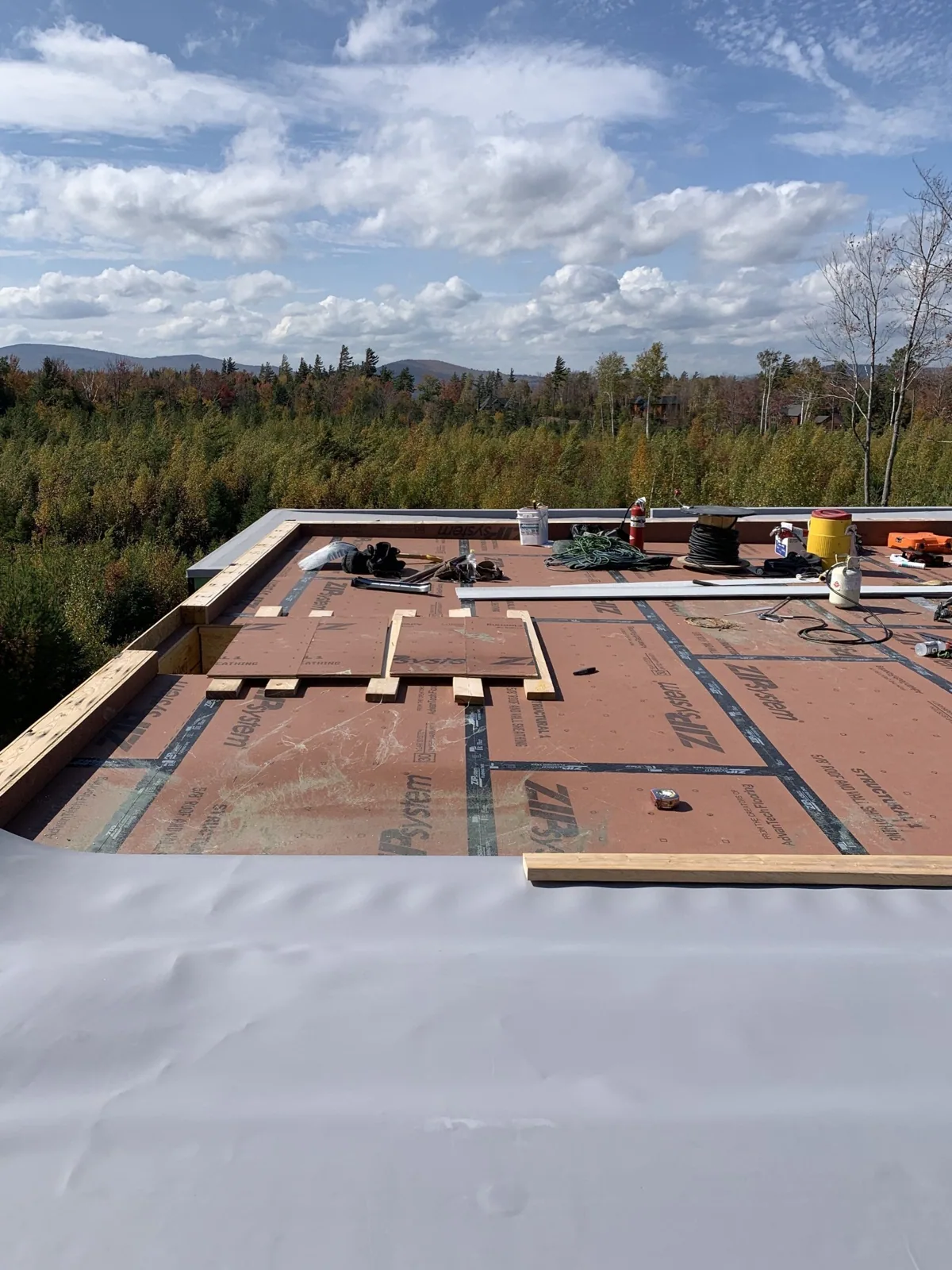
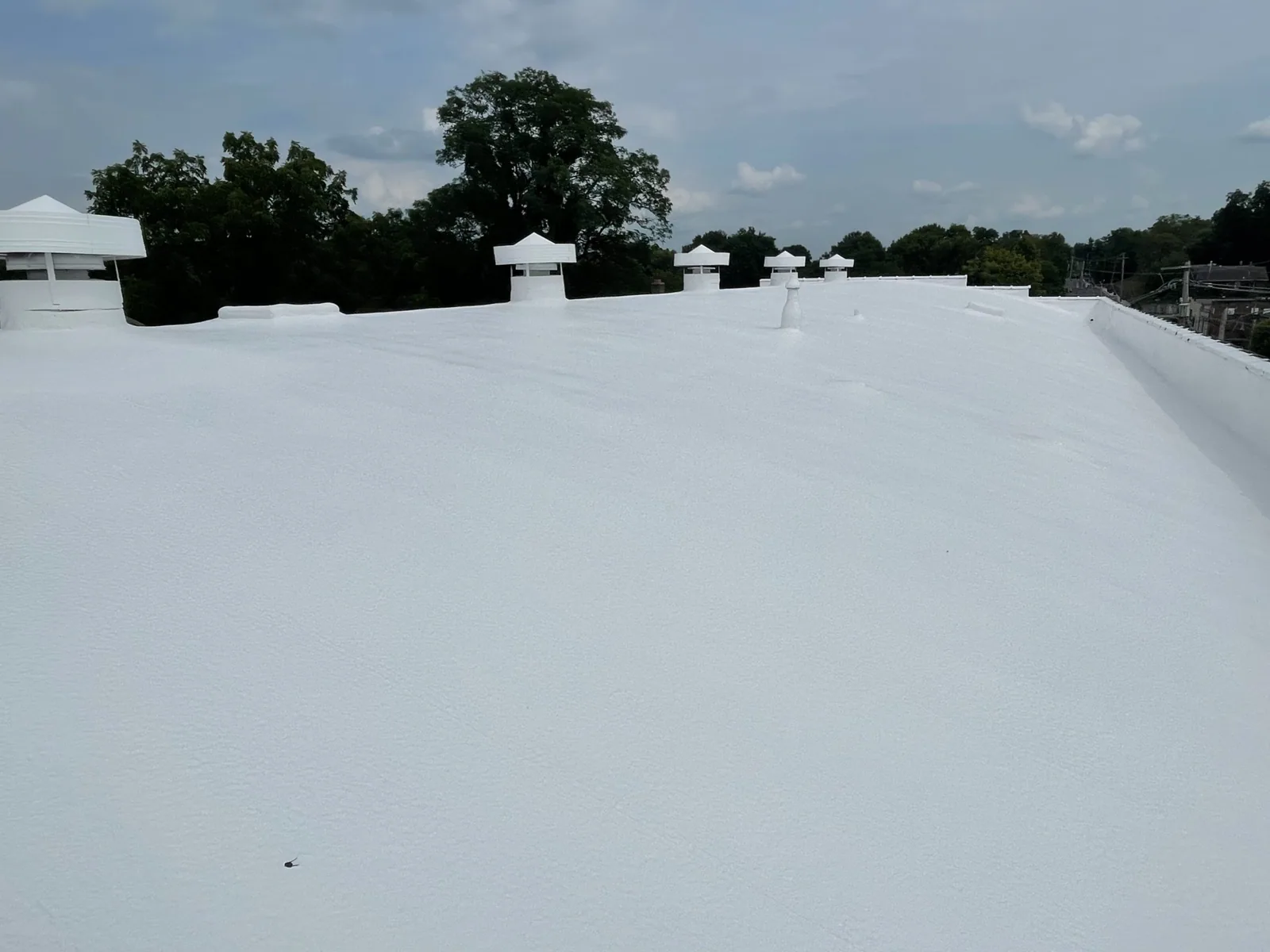
Installation follows Versico's published details and the permit documents. The deck is checked, insulation goes down in staggered joints and the membrane is set and joined as the design calls for. Flashings at walls, curbs and penetrations are prefabricated or fabricated on site and secured with terminations that shed water.

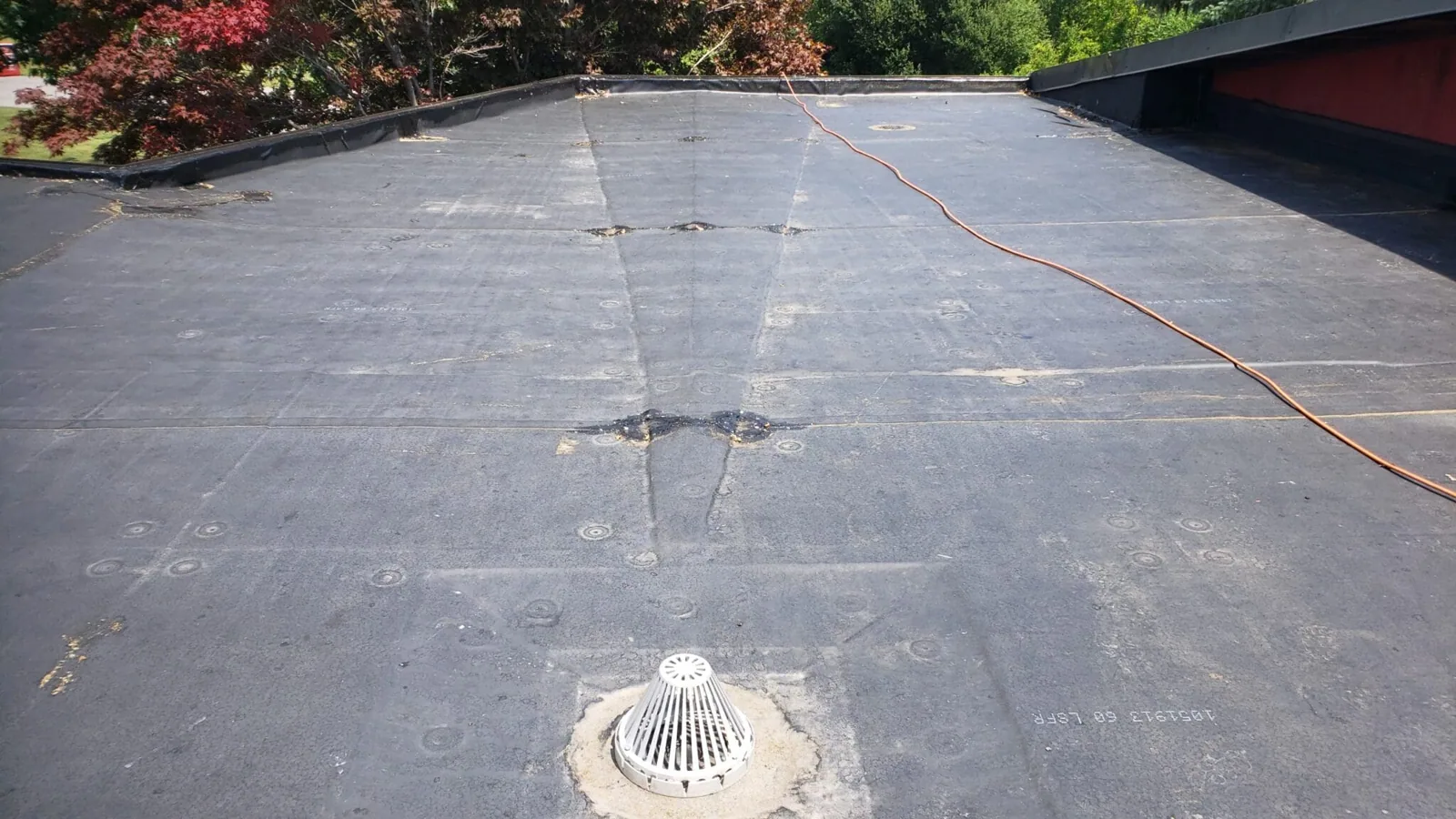
Repair starts from the cause. Seams are cleaned and rewelded or re-taped, a failed flashing corner is replaced with a new corner piece, and a tear is covered by a patch lapped over sound sheet on every side. Wet insulation is cut back to dry boundaries and replaced. Each step is photographed beside a marker and logged on the roof plan.

For shell buildings, a baseline scan at turnover finds construction damage early. Trades walk new roofs for months, and punctures and loose flashings are common. Fixing them at turnover costs far less than fixing them after the first leak.

Cold welds, skipped fasteners and rushed laps are the usual faults on a fast schedule. We probe welds along their full length and tug-test a sample of fasteners. If a roof fails the probe, the fix happens before the crew leaves the area.

Warehouse Roofs on the I-35 Corridor

The I-35 corridor between Austin and San Antonio carries a steady flow of warehouse and logistics projects. At Kyle Crossing, Lowe's is to open a 120,000 square foot distribution facility, and Hays Commerce Center has a logistics center of two distribution buildings with over 400,000 leasable square feet. Roofs on buildings in that class run long, with dock-side edges and rooftop units spread across the field.

Drainage deserves a close look. Water must travel a long way to a drain, and any dip holds a pond. A level shows the slope, each pond is logged and overflow scuppers get checked for debris. A pond that lingers two days wears the sheet faster and loads the deck. Our warehouse roofing checks cover that ground.

Versico Roofing Systems

Hail and Heat

Johnson City reported six-inch hail on May 9, 2024; the storm then reached San Marcos. A scan after an event finds bruised insulation, and cores confirm it. A hail damage repair record shows which sections were hit and which were not.

Heat is the slower load. August highs average near 98 F at Camp Mabry in Austin. Single-ply sheets move with temperature, and seams, curbs and flashings take the strain. We inspect those details on a rhythm that puts a visit before and after the hottest months.

Ponding adds to the heat load, since standing water cooks the sheet beneath it, so each pond is logged with its location and depth.

Versico Roofing Systems

Warranty, Records and Code

Manufacturer warranties carry conditions, and the manufacturer decides coverage. A running penetration log, maintenance entries and quick notice of any leak hold a roof within the terms, and roof warranty management keeps that file. A roof from Carlisle SynTec or Soprema would be handled in the same file format.

A reroof in San Marcos answers to the 2021 International Building Code, as adopted by the city in 2023. Owners in the Buda industrial and logistics corridor can keep every building in one file.

Commercial Roofing Questions

Who pays when a tenant's contractor damages the roof?

The lease and the repair log answer it. A penetration map with dates and contractors shows who cut what, which makes the conversation short.

Can a speculative building's roof be checked before a tenant moves in?

Yes, and it is the best time. A baseline scan finds construction damage while the bay is empty and access is easy.

What happens if a new unit is bigger than the old one?

The curb may need replacing and the deck may need reinforcement. A mechanical engineer checks load, and we flash the new curb to the manufacturer's detail.

How do I tell TPO from EPDM on my roof?

EPDM is a black or white rubber sheet that feels flexible; TPO is a stiffer sheet, usually white or gray, with welded seams. A core confirms.

When should a flex roof be recovered instead of replaced?

When the insulation is dry and the deck is sound. Wet insulation or damaged deck rules out a recover.

Send the Building List and Tenant Notes

Share the addresses, roof ages and any prior reports, and we will sort the roofs into replace, repair and watch groups before your next budget year.

Request a Roof Assessment

Related Roofing Work

ServicesRoof SystemsIndustriesProperty TypesService AreasRoof Damage RepairCapabilitiesManufacturersAboutContactRequest a Roof Assessment555-555-5555
Call555-555-5555