555-555-5555

Self-Storage Roofing

A self-storage facility is a row of low buildings under long, simple roofs, and a leak there turns into a claim: every wet unit holds a customer's belongings, so water inside a building becomes a conversation with a tenant and sometimes an insurer. For an owner or manager in San Marcos, TX, the budget year is as much about avoiding those conversations as about the metal overhead.

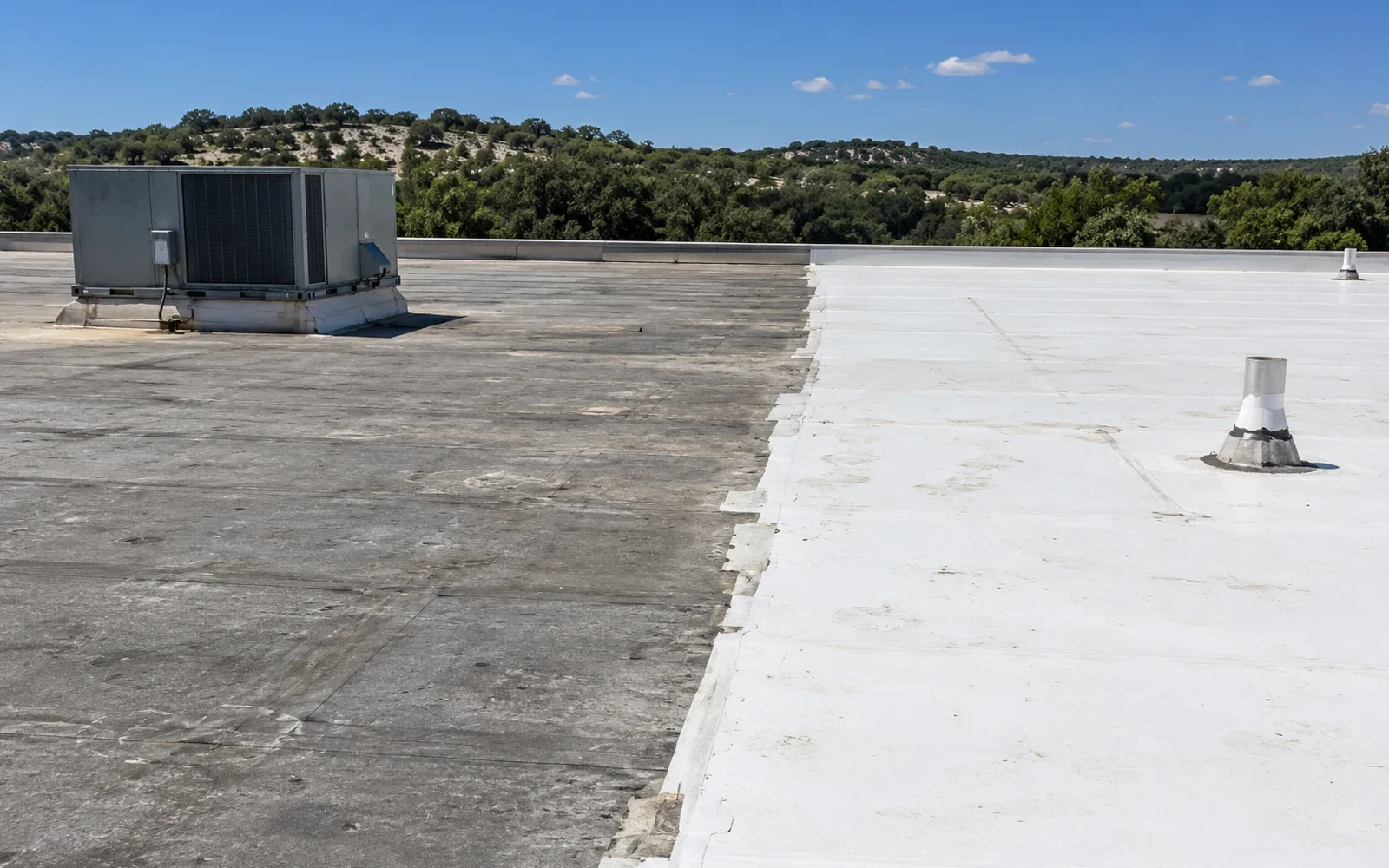
The roofs themselves are usually plain. A run of metal panels, a few gutters, a handful of vents and a light parapet or fascia. Plain roofs fail in plain ways, and most of the failures can be found with a careful walk and a count.

Insurers and lenders read storage roofs the same way tenants do, by whether the units stay dry. A facility that can show a dated inspection, a repair log and a ranked replacement queue answers those questions in a single document.
Count the Rows

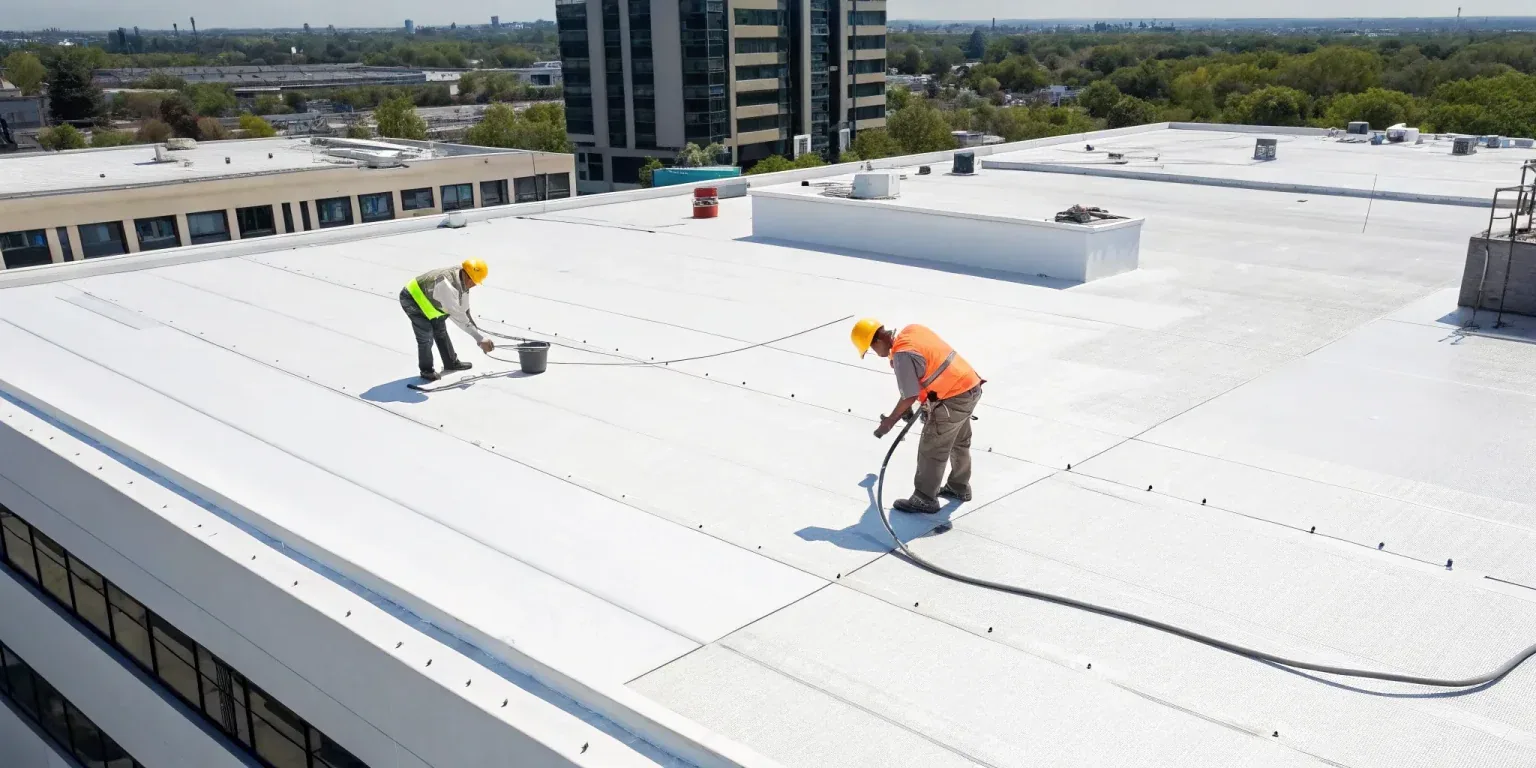
We start with a site plan and give every building a number, every roof a row in the inventory and every panel run a length and a slope. The record lists panel type, fastener type, age, color, gutter condition and any repair history. A facility with a dozen buildings becomes a table a manager can sort by age, by condition or by repair count.

A sort like that separates the buildings quickly: older rows tend to carry more loose fasteners, rows beside trees collect more gutter debris and the buildings with the most patches are the next replacement candidates. A roof condition report puts those patterns on paper, with photographs tied to building numbers.

Access is part of the row record. Some buildings have a ladder at the end, some need a lift and some have a low enough eave to walk from a truck bed. We note it, along with any overhead lines near the building, so the first crew visit is planned and nobody improvises a ladder on a gravel pad.

Self-Storage Roofing

What Wears First on Metal Panels

Exposed-fastener metal roofs wear at their screws. Each screw has a rubber washer, and each washer dries, cracks and shrinks under sun. Panels expand and contract with temperature, so screws work slightly loose. Over time the hole widens and the washer stops sealing. We walk each panel run, count the raised, tilted or rusted screws and mark them.

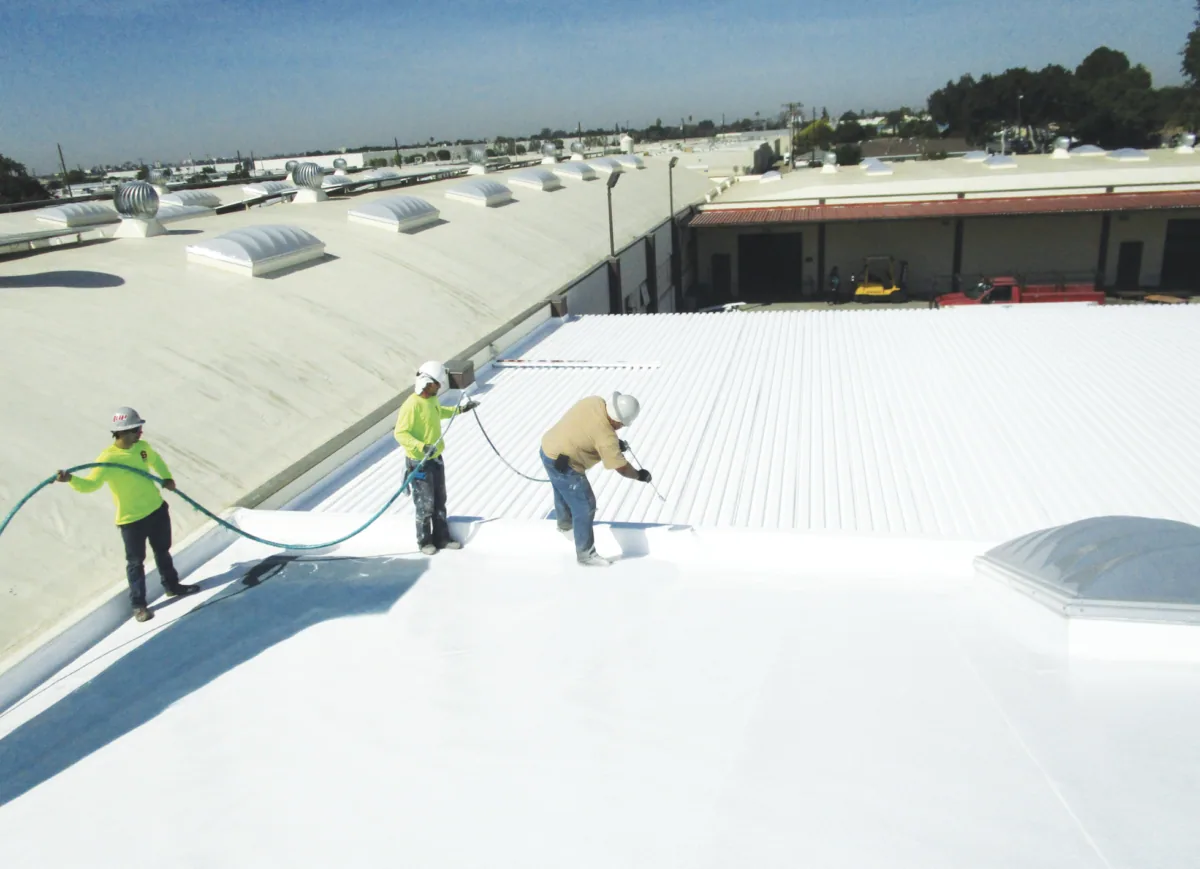
Laps, ridge caps and trim are the next stop. Sealant and tape at those joints age, and wind finds the gaps. We replace failed washers, reset loose fasteners with oversize screws and reseal laps. Where the panels are sound but worn, a metal roof retrofit or a coating can extend service; where they are corroded or bent, panel replacement is the sound choice.

Rust is the other thing we count. Cut edges, scratched coatings and fastener heads rust first, and rust under a washer lets water follow the screw into the purlin. We probe rusted spots with a blunt tool, mark those that have lost metal and note the panels that need replacement and not a patch. A coating over rust that is still active hides the problem and lets it spread, so we do not offer it there.

Gutters, Downspouts and Drive Aisles

Water from a long low roof has to go somewhere. Gutters collect it, downspouts carry it and drive aisles take what spills. A clogged gutter overflows at the eave, runs down the wall and floods the base of the unit door. A split downspout dumps water against a slab. These are cheap repairs and costly neglects.

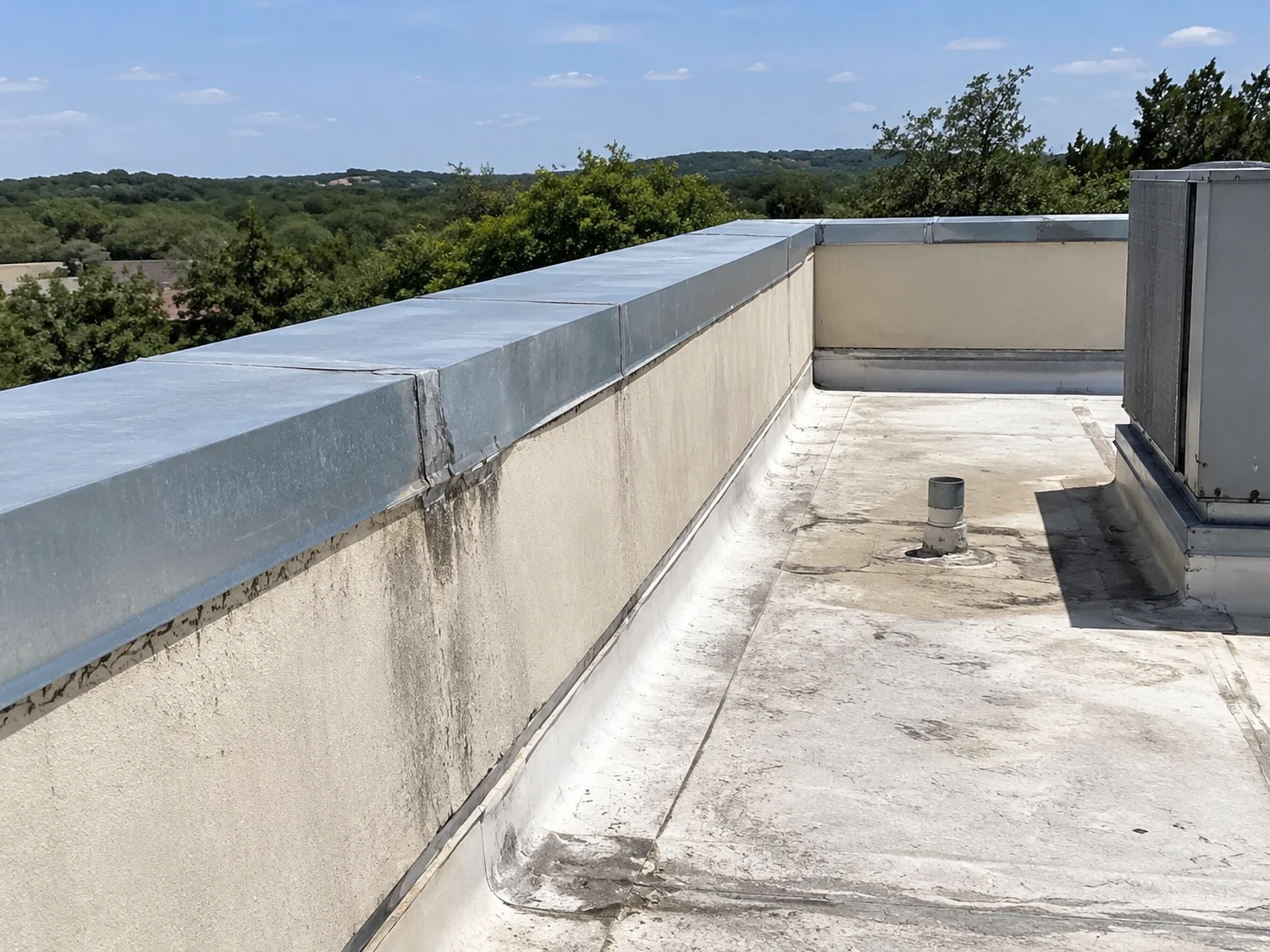
Each run gets cleared and flushed, check slope and hangers, and replace pieces that have pulled away. A coping and edge metal repair also covers the eave and rake trim that keeps wind out from under the panels. We photograph each run before and after, and the log lists every building so a manager can see what has been done.

Interior signs help trace roof leaks quickly. Staining at the top of a unit wall near a panel lap, drips at a door header and water on the floor beneath a purlin all point to specific roof details. A manager who photographs those signs and sends them to us shortens the search, because the pattern on the ceiling tells us which panel run to open first.

Door headers deserve a note. On a row of drive-up units, the wall above each door sheds water onto the header, and a failed flashing at the eave sends that water straight behind the door frame. We check the first panel above every door, the eave trim and the drip edge, and we record any unit where water has marked the header, since a pattern along one row usually points to one failed run of trim rather than many separate leaks.

Wind and Hail on Long Low Roofs

San Marcos got the same May 9, 2024 storm that had earlier produced six-inch hail at Johnson City. None of that proves damage to any facility, but it explains why owners ask for a post-storm walk.

On metal roofs, hail leaves dents. Small dents are cosmetic. Large ones can open seams or crack coatings. We measure dent depth, check coating condition and test seams. A hail damage roof repair scope separates cosmetic damage from watertight damage, so the owner and the insurer read the same record.

Self-Storage Roofing

Working With Open Gates

Tenants come and go at all hours, so roof work is planned around access. We close one building or one row at a time, post notices on the gate and the doors, and keep drive aisles clear for customers. Lifts and material stay in one marked area. Debris falls to a container, not to the aisle, and a magnet sweep ends every day.

Units under active work are listed for the manager, who can notify the tenants. Climate-controlled buildings need extra care: openings are dried in quickly, and HVAC intakes are protected from dust. An occupied building reroofing plan lists these steps.

Weather windows set the pace. Sealants and tape need dry panels, and wind makes handling long sheets dangerous. We plan repairs for dry mornings and stop lifting when gusts rise, with a temporary cover over any open section.

Self-Storage Roofing

Budget Year and Code

The weather record kept at Camp Mabry in Austin puts a normal August high near 98 F. Both the 2021 building code and the 2021 energy conservation code have governed San Marcos since the spring of 2023.

A multi-site roof program ranks every row across several facilities, and the same layout covers flex and light-industrial roofing and warehouse roofing. The I-35 business park corridor is a place where such mixed portfolios sit side by side.

Commercial Roofing Questions

How do you tell which storage building needs work first?

We count loose fasteners, patches and gutter problems per building and rank them. The oldest and most repaired rows go first.

Can a metal roof be covered instead of replaced?

Sometimes. The framing must carry the added weight and the old panels must sit flat. We measure and test before offering a retrofit.

Does hail dent mean a leak?

Not always. Small dents are cosmetic. Cracked coatings and opened seams are not. We measure both and list them apart.

How do you keep tenants informed during work?

We list the units under each work area for the manager, and post notices at gates and doors. Drive aisles stay clear.

What records should an owner keep?

Dated photographs by building, the fastener count, the repair log and the invoice. They show the roof before and after.

Send the facility list

Send the building list and any past roof reports. We will sort the roofs into replace, repair and watch groups before the next budget year.

Request a Roof Assessment

Related Roofing Work

ServicesRoof SystemsIndustriesProperty TypesService AreasRoof Damage RepairCapabilitiesManufacturersAboutContactRequest a Roof Assessment555-555-5555
Call555-555-5555