555-555-5555

Sunset Valley

A retail center ages in layers: the original roof, the repairs, the tenant units and the years of foot traffic on top. Sunset Valley, TX is an enclave about 5 miles southwest of downtown Austin, surrounded by Austin, with 683 residents in 2020. In 1990 the city approved a 60-acre retail center, and commercial development has increased in recent years. A center whose planning dates to that decade is a roof inventory with several ages in it, and an owner there needs to know which sections have served their time and which still have service left before the budget year closes.

We start by reading what is actually on the roof, not what the lease file says.
Read the Layers of an Older Center

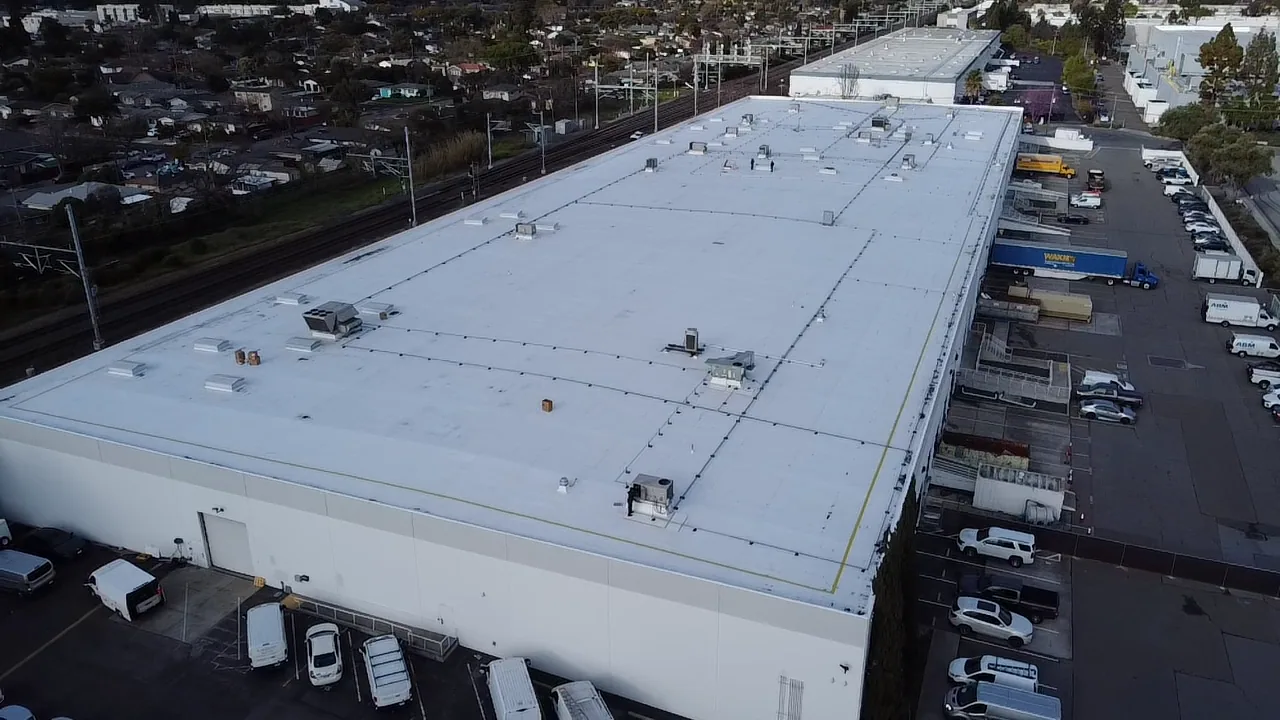
A retail roof that has been patched, recovered and added to over the years carries more than one story. Different sections can have different membranes, and different tenants have cut different holes. Insulation under the oldest sections may have taken on water that the surface does not show.

We cut cores at representative spots and at the edge of any wet zone. Cores cut through the membrane and show any cover board, the insulation and the deck, with a moisture reading for each layer. A section with two old membranes and wet board is a different decision from a section with one sound membrane and dry insulation, even if both are the same age.

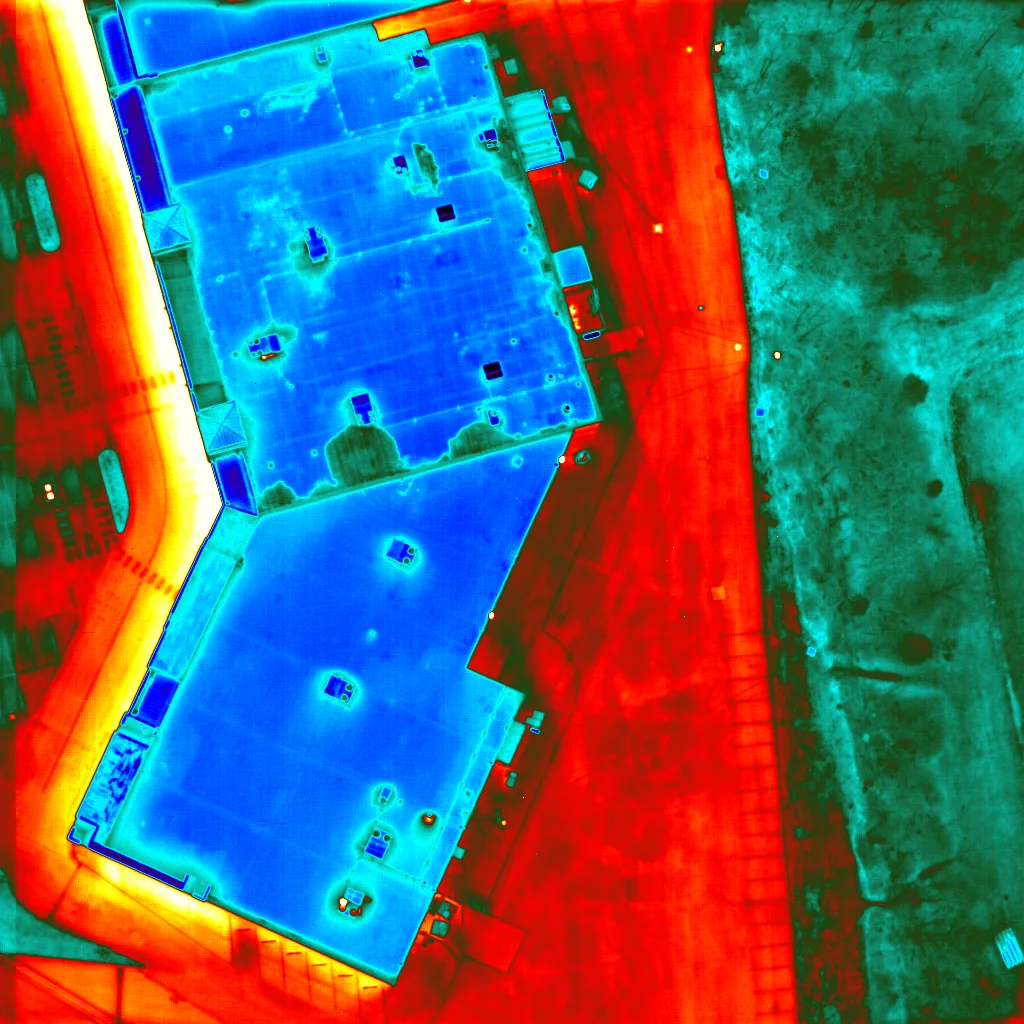
An infrared moisture survey maps the wet patches before the cores, so the cuts go where they matter. The result is a plan of the roof sorted into replace, repair and watch.

Where the roof has been recovered, we check the weight. Each added membrane and layer of insulation loads the deck, and many decks were designed for a single roof. We look at deck deflection and rust from below and note any sections where another recover would push the limit. The note goes into the file so no one adds a layer without a check.

Sunset Valley
Sunset Valley

Tenants, Units and Penetrations

Retail leases change faster than roofs. A new restaurant needs a grease exhaust, a clothing store needs a heavier air handler and a vacated bay leaves a curb with nothing on it. Each change is a cut or a patch in the membrane.

We map every penetration and mark the ones that date from a later change, since those often receive the least careful flashing. We check curbs for torn corners, loose fasteners and dry sealant. We follow condensate lines to their end and fit splash blocks where water lands on bare membrane. A restaurant exhaust gets a ring-of-sheet check for grease damage.

The roof above an empty bay is easy to reach and has no operation under it, so a shopping center roofing routine puts a short walk there at each turnover, with photographs of the curb and flashing before the next contractor starts.

Signage is the other source of holes. Pylon signs, wall signs and rooftop signs each need mounting hardware, and mounting hardware needs flashing. We look for fasteners without sealant and for conduit runs that enter the roof without a boot. A small fix at the sign base prevents a leak into the space below.

Keep the Drains Working

A long retail roof drains toward a few outlets. Leaves, grit and spent sealant collect there, and a clogged drain holds water on a flat roof. Ponds that last two days speed wear and load the deck.

After rain a level goes across the roof and each low spot is logged with a location and depth, along with the drain bowls, overflow scuppers and downspouts. A pond that will not clear may call for a new drain, a tapered insulation section or a drain line run to the low spot. Two visits a year, plus a visit after major storms, keep the outlets clear.

The drain and scupper check matters most before the storm season, when a blocked outlet turns a heavy rain into a leak in a tenant's space.

Parking-lot debris reaches the roof by wind. Plastic bags, leaves and trash collect behind parapets and clog scuppers. A walk with a broom and a camera takes little time, and it prevents many calls to a tenant's manager. We photograph each outlet before and after so the file shows the work.

Civic and Service Buildings

Sunset Valley also has civic buildings, including a city fire station on Highway 290. A fire station roof has its own demands: bay doors, apparatus, living quarters and a need to stay in service during repairs. We plan work in sections, protect the interior below and agree on hold points with the station's staff so an alarm never meets a roof crew in the way.

The same planning applies to any occupied civic building. Access, noise, dust and the operation decide the schedule, and the roof plan follows from them.

Neighbors matter at an enclave. Roof water that leaves a building and crosses a boundary can become a dispute between property owners, so we trace each downspout outlet and note where it lands. A diverter or an extension keeps the water on the owner's own ground.

Sunset Valley

Hail and Heat From the Regional Record

A Johnson City hail report of up to six inches across, dated May 9, 2024, belongs to the storm that reached San Marcos. That is not a Sunset Valley reading. Storm follow-up means checking edge metal, covers and loose flashings, then scanning for bruised insulation and cutting cores where the scan flags. A hail damage repair file records what the roof shows.

A normal August high of about 98 F at Austin's Camp Mabry station shows how long the hot season weighs on a roof. Older sealants dry and crack under it, and flashings at curbs open first.

Retail owners sometimes see damage show up as a customer complaint, not as a roof finding. A dripping ceiling tile in a store during a storm is a roof signal. We ask for the date and location of any complaint, and we use them to aim the scan.

Sunset Valley

Repair, Restore or Replace

Repair or coating fits a sound membrane over dry insulation, a recover suits a tired sheet over a sound deck, and wet board or a damaged deck means removal. Wet area, penetrations, access and how much of the center stays open set the price.

Because Sunset Valley sits inside Austin, the permit office with jurisdiction over a given parcel confirms the code edition. Because Sunset Valley sits inside Austin, the code edition for a parcel comes from the office with jurisdiction there; the 2021 codes in force in San Marcos do not decide it. Owners with centers here and in Buda or Manchaca can keep them in one roof inventory.

Staging at a retail center depends on the lot. Trucks park out of the fire lane, sidewalks stay open and hoisting happens at the rear. We agree with the landlord and each tenant manager on hours and noise, and we keep the schedule short.

Commercial Roofing Questions

How do I know how many layers my retail roof has?

Cut a core. It shows every layer, the insulation and the deck. Labels and paperwork help, but the core is reliable.

What should a landlord do when a tenant leaves?

Walk the roof above the bay and photograph the curb and flashing first.

Can a fire station roof be repaired while the station stays in service?

Yes, in sections, with interior protection and hold points agreed with the station's staff.

Do older sealants need replacing before the membrane does?

Often. Sealants age faster than membranes. Replacing them on a schedule prevents leaks at curbs and edges.

Which code edition applies in Sunset Valley?

That call belongs to the permit office with jurisdiction, and the question gets asked before any replacement is priced.

Send the Center Details and Past Reports

Send the building address, the roof age if known and any past reports, and we will sort the roofs into replace, repair and watch groups before your next budget year.

Request a Roof Assessment

Related Roofing Work

ServicesRoof SystemsIndustriesProperty TypesService AreasRoof Damage RepairCapabilitiesManufacturersAboutContactRequest a Roof Assessment555-555-5555
Call555-555-5555