555-555-5555

Creedmoor

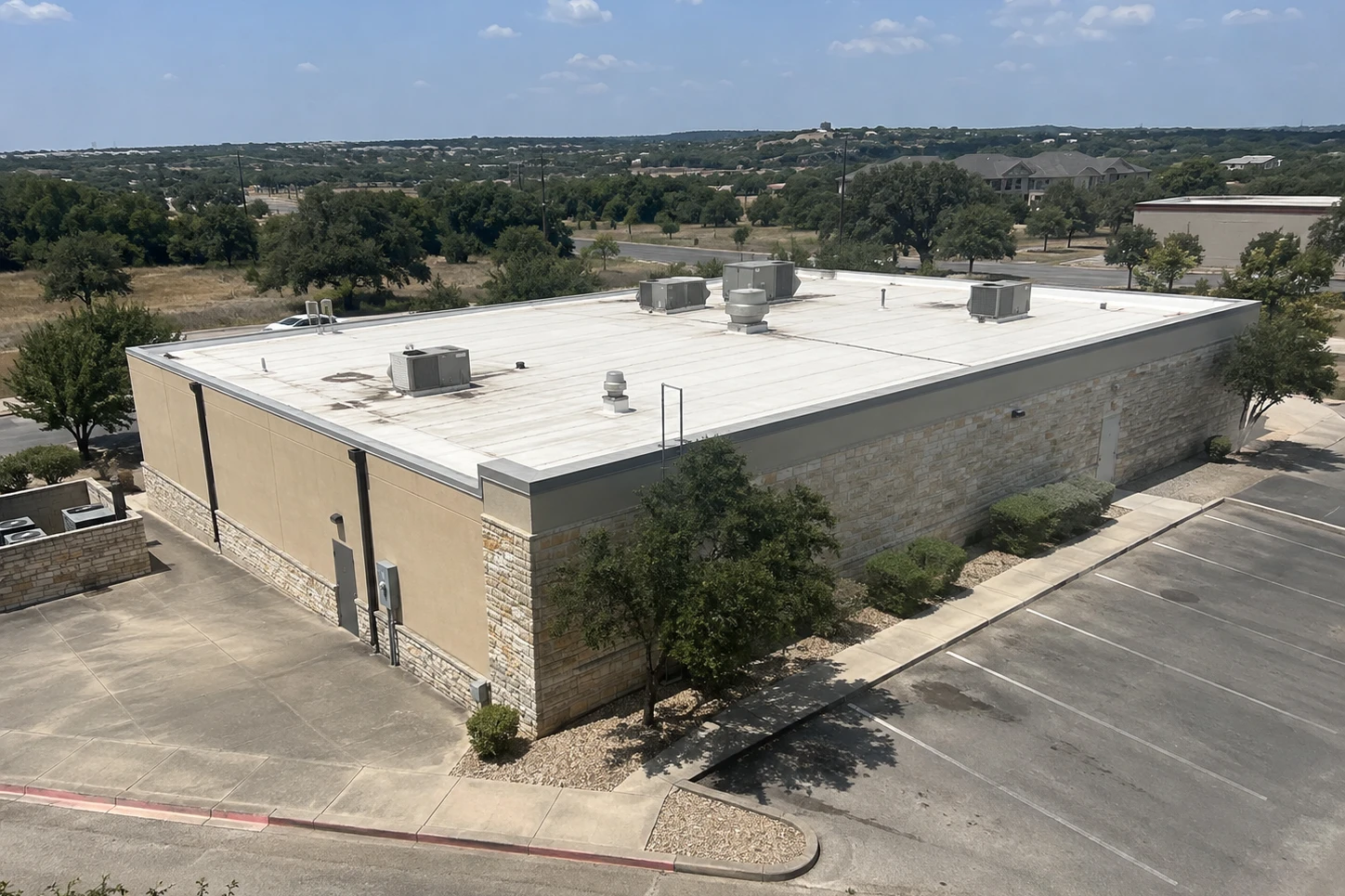
School and civic buildings share a trait that decides how their roofs are managed: they run on a calendar, and the calendar sets the repair window. Creedmoor, TX is a Travis County city about 15 miles south of Austin, incorporated in 1982, with 458 residents in 2020 and Del Valle ISD serving it. For an owner of a district building, a small office, a service shell or any other commercial structure in a city that size, the budget-year question is simple: which roof sections will need money before the next summer window, and which can wait another year.

We answer it with a walk, a moisture scan and a short, dated list.
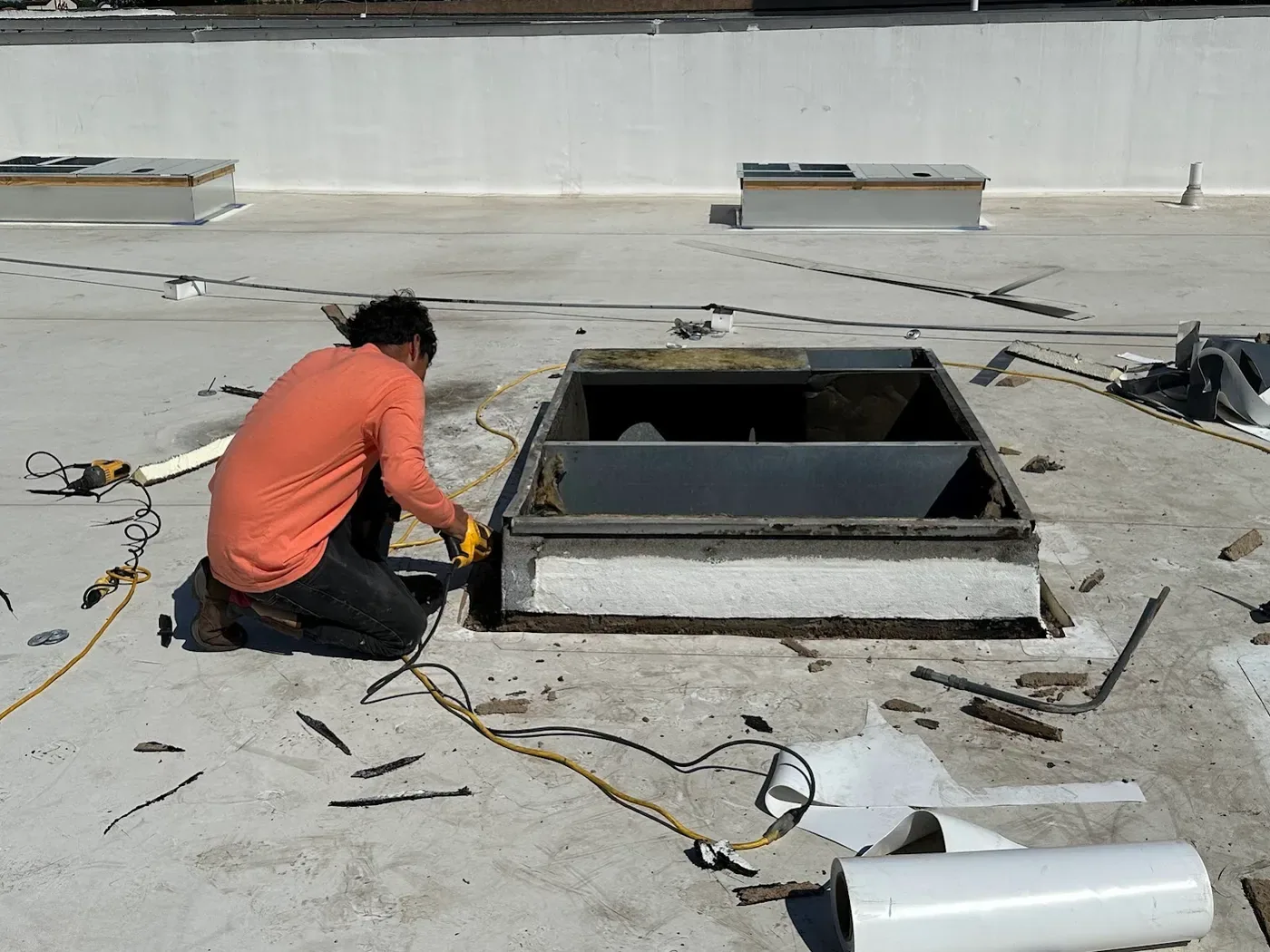
Let the Calendar Set the Window

A school or civic building has quiet months and busy ones. Roof work belongs in the quiet ones. A district that sees the repair list in March has time to fund and schedule summer work. A district that sees it in June has to hurry, and hurried roof work costs more and lasts less.

So the first walk often falls in spring. We check drains, scuppers, joints between sections and rooftop units. We note which sections can wait and which cannot, and we price the summer scope with the cost drivers shown: wet area, penetrations, access and the number of days the building can give up.

Small repairs do not need the summer. A seam, a flashing or a clogged drain can be fixed in a day, with staging kept clear of entrances and play areas. We split the list into the work that must wait for a break and the work that can happen now.

Funding cycles matter as much as the school calendar. A repair list that arrives before the budget closes can be funded in the normal course; one that arrives after needs an exception. A spring report fits that cycle, and it is written so a business official can lift the totals straight into a request.

Bus staging and drop-off lanes near school buildings limit where a lift can stand, so the plan marks the lanes and keeps equipment outside them during pickup hours.

Creedmoor
Creedmoor

Walk the Low-Slope Basics

The basics catch most problems. Standing water, open seams, torn flashings and clogged drains are common causes of leaks on low-slope roofs. We start at the drains, then walk the seams and laps, the field of the membrane, the edge metal and every penetration.

Standing water is the clearest signal. Water that stays on a roof for two days speeds wear and loads the deck, so after rain we level the slope, log each low spot and trace the outlet that should be draining it. The fix may be as small as clearing a drain or as large as adding tapered insulation.

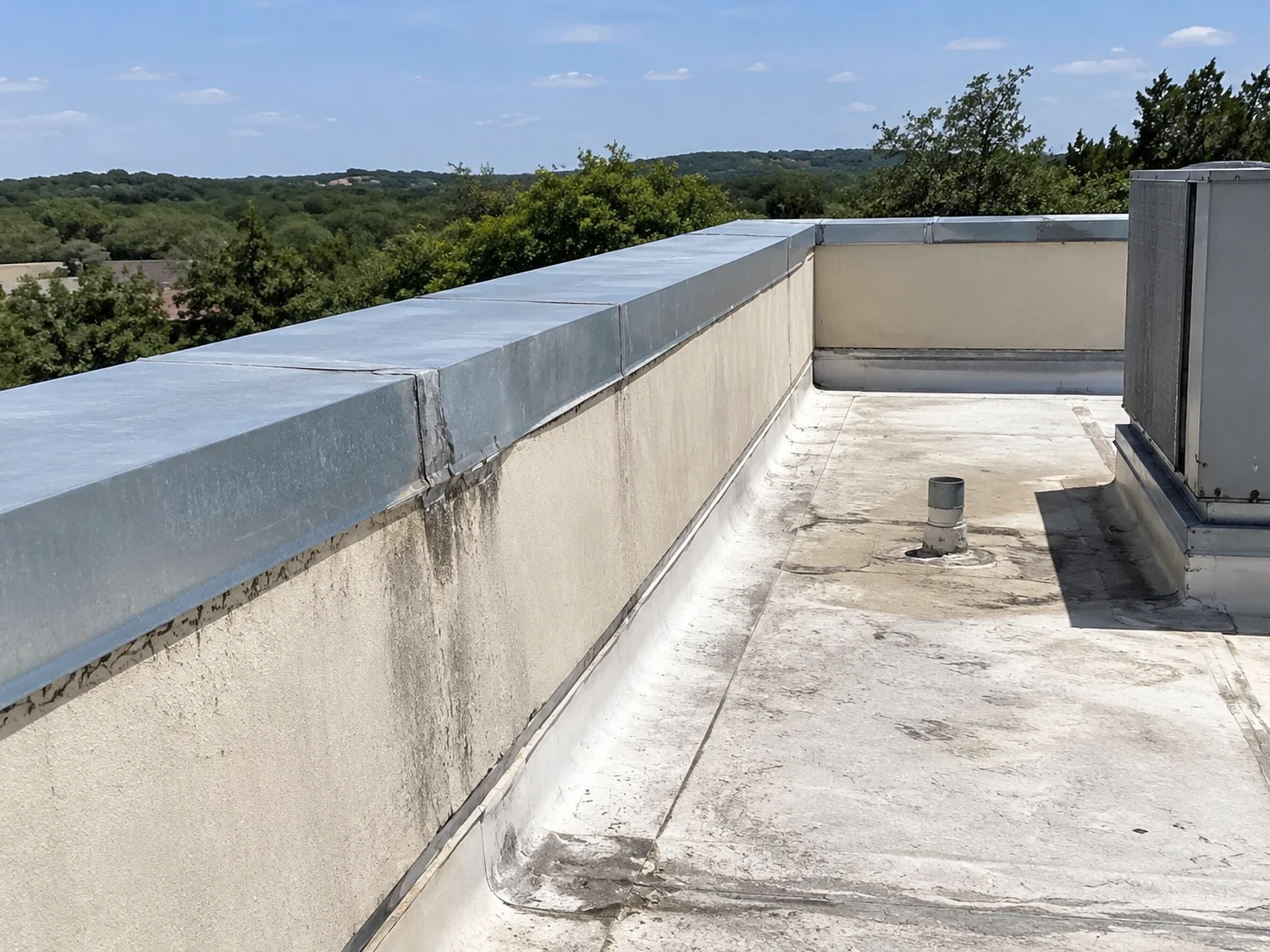
Seams and flashings are next. On a welded sheet we probe each seam. On a built-up or modified roof we look for splits, blisters and loose laps. At walls and curbs we press the sealant and check the termination. The result is a graded list, with photographs, that a board or a facilities office can read without a roofer at its elbow.

Rooftop equipment gets its own pass. Units sit on curbs, and each curb is a box through the roof. Corners, counterflashing and fasteners get checked, and condensate lines are traced to their ends, because a line that dumps on bare membrane wears through in a season.

Scan Before You Spend

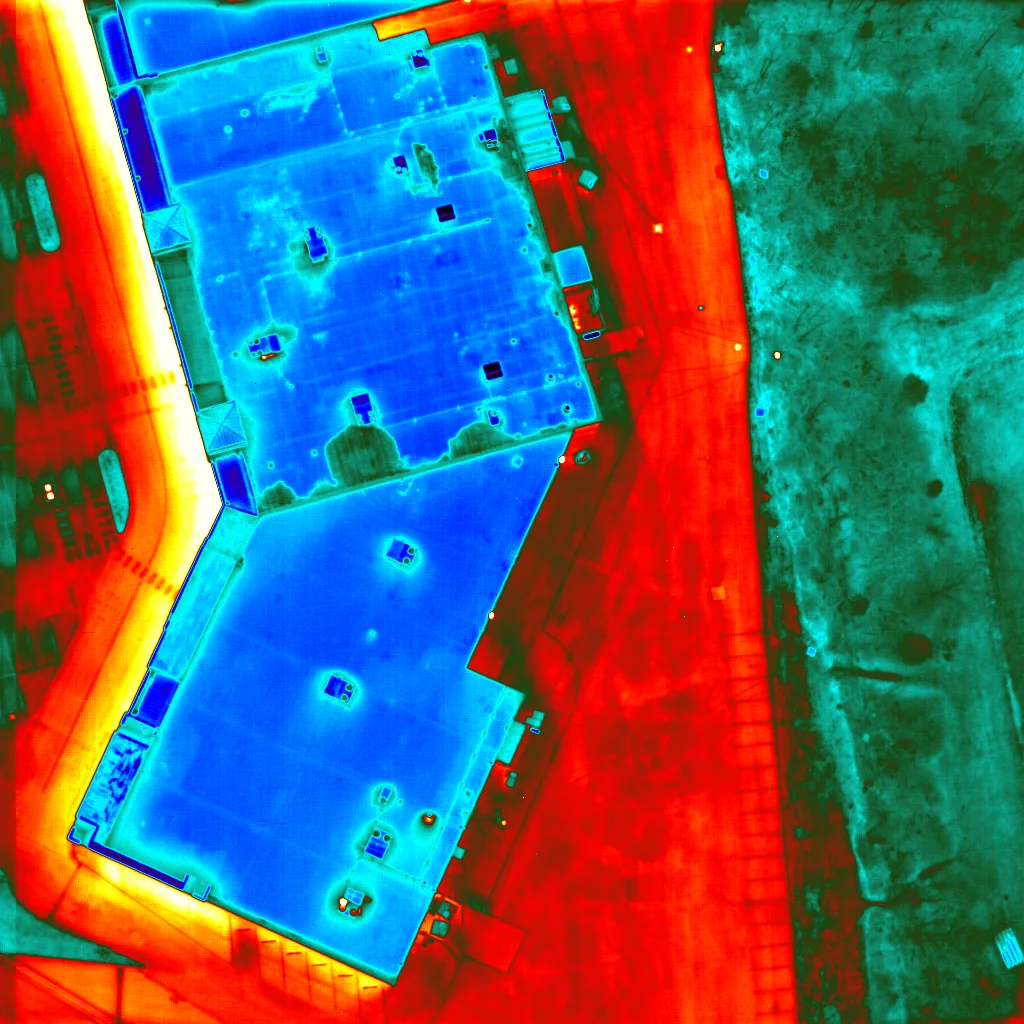
A roof can look sound and hold wet insulation. A roof can look bad and be dry. Money should go where the water is, and the way to find it is a scan. Warm and cool patches show up under infrared imaging, and cores then verify what the scan implies.

Each core is photographed and tagged. It shows the membrane, the cover board, the insulation and the deck, and how wet each layer is. That detail decides whether a recover is possible. A recover needs dry insulation and a sound deck, and a scan and cores show whether the roof qualifies.

Where the scan finds only a small wet area, the repair is small. Where it finds a large one, the district learns that before it commits to a patch that would fail.

Photographs travel well. A board member who has never seen the roof can read a core photograph in a minute: dry board, damp board, soaked board. The photographs turn a technical argument into a visible one, and they give a district a record to compare against next year.

Place Hail and Heat in the Regional Record

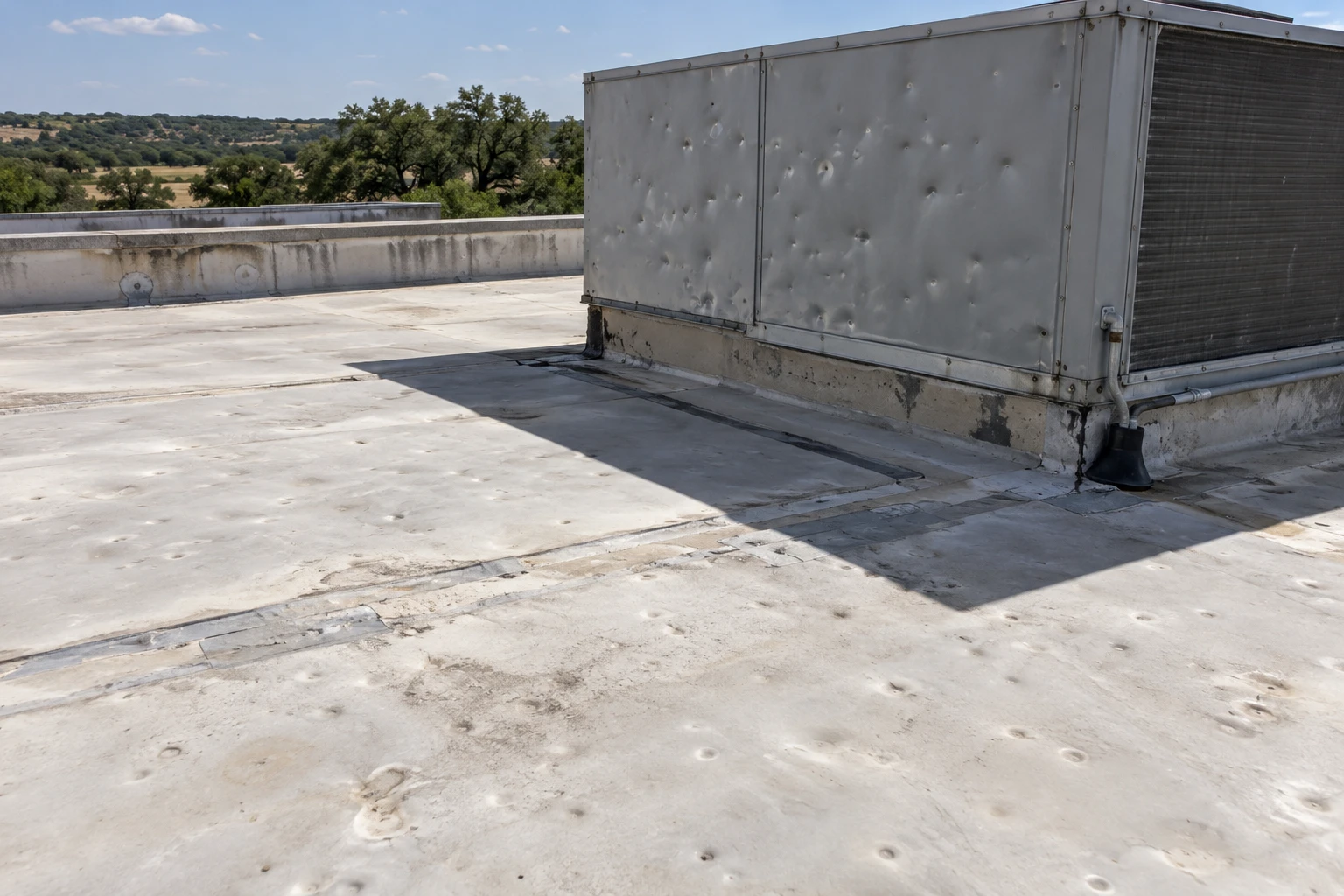
From Johnson City, where hail reached six inches across on May 9, 2024, the storm continued on to San Marcos. That is not a reading from Creedmoor, but San Marcos CISD delayed school after the storm so staff could inspect buildings, and that response is a useful model for any school owner: inspect the buildings first.

Exposure ranking puts the oldest membranes, unprotected insulation and loose edge metal first; after a scan flags bruises, cores verify them and photographs document the results. The hail damage repair file supports both repair decisions and any claim.

August highs near 98 F at Camp Mabry in Austin dry sealants and age membranes, so flashings and curbs get a check before the hottest months.

Standing water adds to the heat load by baking the membrane and concentrating stress at the pond's edge, so each pond is logged along with the drain that should clear it.

Creedmoor

Code and the Permit Office

Local adoption in 2023 means the 2021 International Building Code decides wind and fastening questions inside San Marcos. A project in Creedmoor goes through the permit office with jurisdiction there, so we confirm which edition applies before pricing a replacement. Insulation levels, wind uplift design and edge detailing can all change the scope.

Permit timing is part of the schedule. A replacement that needs plan review can add weeks before work begins, so we ask early and build the lead time into the summer plan.

Creedmoor

Start With a Short List

A small city needs a small list. Send the building address, the roof age if known and any past reports. We return a grade for each section and a sorted list: replace, repair and watch. A district with buildings in several places can keep them together in one roof inventory, and a landlord with a building in nearby Mustang Ridge or Manchaca can do the same. A written condition report sits behind each entry.

The first walk is short. It covers the drains, seams, flashings, edges and units on each roof, and the interior ceiling below. A written grade for each section, a list sorted by urgency and the photographs behind them are the product. From there the file grows with each repair, scan and storm review, and each budget year starts from a current picture.

Commercial Roofing Questions

When should a school roof walk happen?

In spring, so repairs can be funded and scheduled for summer. Small fixes can run during the term.

Can a district skip the scan and patch?

It can, but a patch over wet insulation fails. A scan shows where the water is and what to cut.

What does a recover require?

Dry insulation and a sound deck. Cores show whether the roof qualifies.

Does the same walk apply to a small office?

Yes. Drains, seams, flashings and penetrations are the same on any low-slope roof.

Which code edition applies in Creedmoor?

The permit office with jurisdiction confirms it. We ask before pricing a replacement.

Send the Building Details and Past Reports

Send the building address, the roof age if known and any past reports, and we will sort the roofs into replace, repair and watch groups before your next budget year.

Request a Roof Assessment

Related Roofing Work

ServicesRoof SystemsIndustriesProperty TypesService AreasRoof Damage RepairCapabilitiesManufacturersAboutContactRequest a Roof Assessment555-555-5555
Call555-555-5555